US News
U.S. Eases Restrictions, Permits Russian Oil Tanker to Cuba
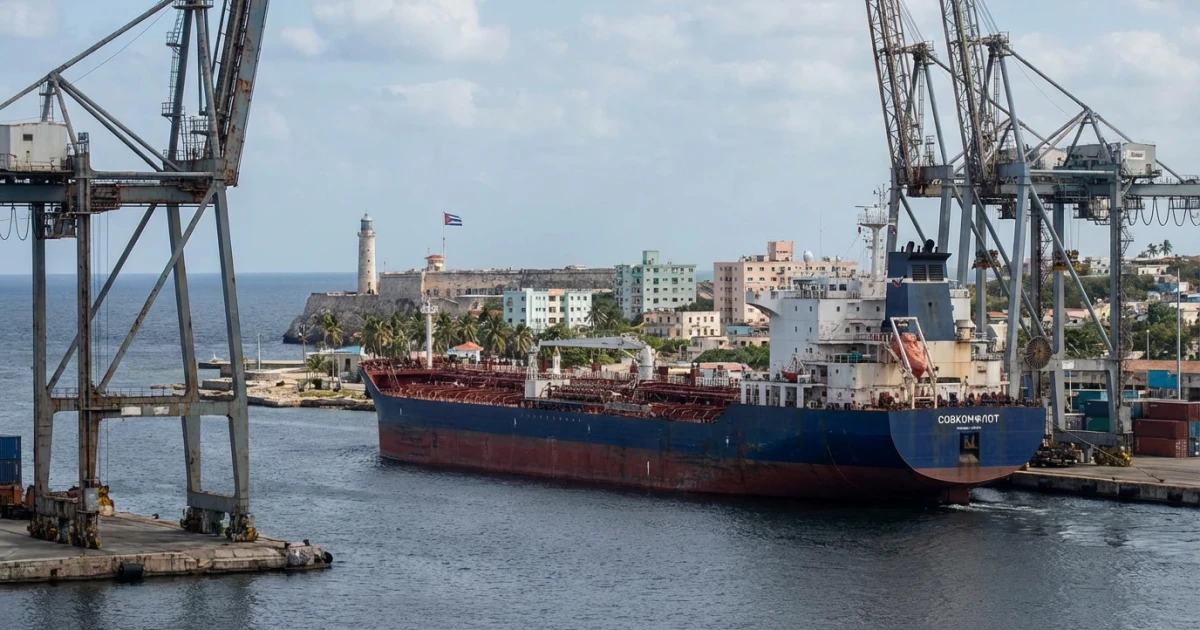
The United States has decided to permit a Russian oil tanker to deliver fuel to Cuba, effectively breaking what many observers described as a de facto blockade that has sharply limited the island's energy supplies. The decision, first reported by The New York Times and confirmed by Reuters, follows months of acute fuel shortages that have impacted daily life and the Cuban economy.
Policy Shift After Months of Fuel Shortages
The move comes after a prolonged period during which U.S. sanctions and stricter enforcement measures limited Cuba’s access to oil imports, especially from Russia and Venezuela. The New York Times and Reuters both highlighted that the incoming Russian tanker is expected to provide much-needed relief as the island faces ongoing energy rationing and rolling blackouts.
According to analysis by the Brookings Institution, Cuba relies heavily on imported oil, with Russia among its primary suppliers in recent years. The latest UNCTAD data shows that over 50% of Cuba’s petroleum imports have come from Russia and Venezuela since 2022.
Understanding the U.S. Decision
The rationale behind the U.S. decision to allow the Russian vessel entry has not been officially detailed, but both The New York Times and Reuters suggest humanitarian concerns were a major factor. The Biden administration has faced international pressure to ease measures that have worsened Cuba’s energy crisis, as documented by ongoing reports of rising hardship on the island and the impact on ordinary Cubans.
- Cuba’s energy system is heavily dependent on imports, with domestic production covering less than half its consumption needs, according to the U.S. Energy Information Administration.
- CIA World Factbook data underscores the vulnerability of Cuba’s energy sector to external shocks and sanctions.
Both The New York Times and Facebook reports describe the recent sanction regime as amounting to a blockade, though technically the U.S. had not imposed a formal naval blockade. Instead, tighter enforcement of shipping and financial restrictions discouraged international vessels and insurers from servicing Cuba-bound oil shipments.
Sanctions Landscape and International Implications
The U.S. has maintained a complex web of sanctions on Cuba for decades, with recent additions targeting entities involved in petroleum shipments. The U.S. Treasury's Specially Designated Nationals List regularly includes vessels and companies linked to sanctioned oil transactions.
This policy adjustment does not signal an end to broader U.S. sanctions, but analysts say it could indicate a willingness to provide targeted humanitarian relief amid worsening conditions. The move may also reflect diplomatic considerations, as both European and Latin American governments have called for more flexible U.S. engagement with Cuba.
Impact on Cuba’s Energy Crisis
For Cubans, the arrival of a Russian oil shipment is likely to provide immediate, if temporary, relief. According to the International Energy Agency, Cuba’s energy consumption has declined in recent years due to import disruptions, with the country forced to ration electricity and fuel for vehicles and industry.
Recent import statistics show a drop in overall oil deliveries to Cuba since mid-2025, exacerbating the crisis. The tanker’s arrival is expected to restore power generation capacity and ease daily hardships for residents and businesses.
What Happens Next?
While the U.S. decision marks a notable shift, the broader sanctions framework remains in place. Experts suggest this one-time exception does not necessarily indicate a long-term policy change, but it could open the door to further humanitarian exemptions if energy shortages persist. The episode highlights the delicate balance between U.S. strategic interests, international diplomacy, and the urgent needs of the Cuban people.
For ongoing updates and official records of sanctions policy, readers can consult the UN Security Council Sanctions Information and the U.S. Department of State’s Cuba Sanctions page.
In summary: The U.S. has allowed a Russian oil tanker to deliver fuel to Cuba, potentially alleviating the island's acute energy shortages after months of near-complete import disruption. The move may be a limited humanitarian gesture amid ongoing sanctions, but its impact for Cuban households and industry could be significant—at least in the short term.