US News
U.S. Eases Sanctions on Iranian Oil Amid Ongoing Tensions
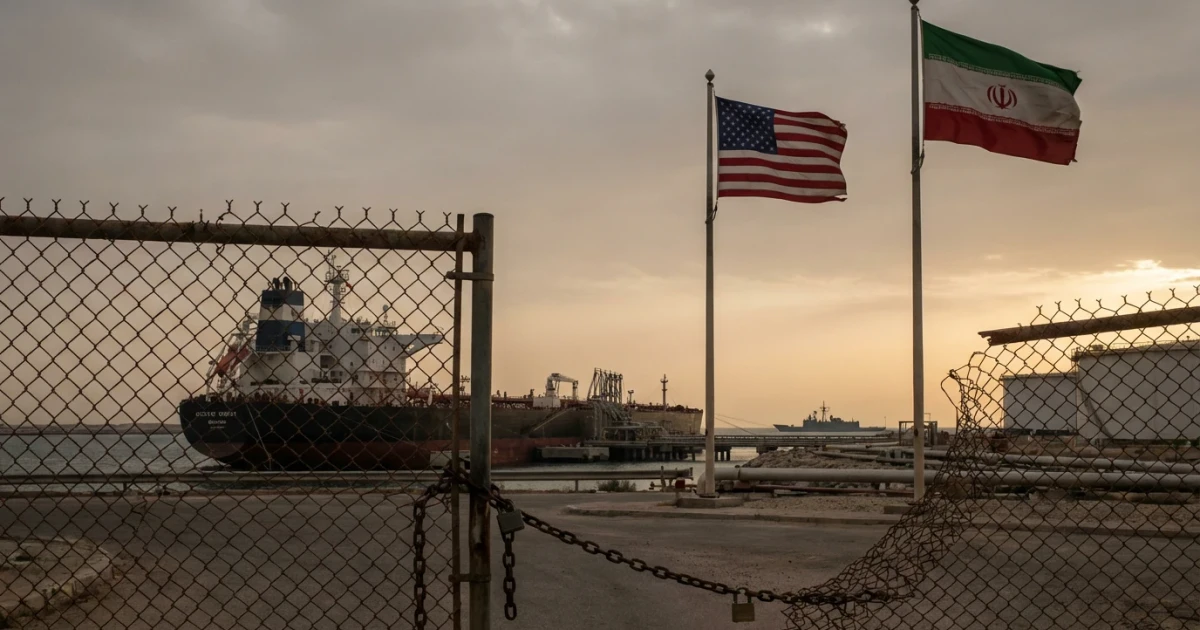
The Trump administration has lifted sanctions on millions of barrels of Iranian oil, marking a significant policy shift even as U.S. military actions continue in the region. This development, first reported by The Washington Post, comes during a period of heightened tensions and ongoing conflict between the United States and Iran.
Sanctions Relief Amid Military Action
The decision to ease restrictions on Iranian oil exports occurs against the backdrop of ongoing U.S. military operations, with thousands of targets in Iran reportedly bombed in recent weeks. While the administration has not clarified its ultimate goals for the conflict, the move to lift certain sanctions could have wide-ranging implications for global oil markets and diplomatic efforts.
Scope of the Sanctions Lift
The lifted sanctions apply to millions of barrels of Iranian oil that had previously been blocked from global markets. These measures, implemented over the past several years as part of the broader U.S. sanctions regime, had significantly curtailed Iran’s ability to export crude and petroleum products. Official data from the U.S. Energy Information Administration documents the dramatic reduction in Iranian oil flows since the imposition of sanctions.
By lifting these specific restrictions, the administration opens the door for Iranian oil to reenter the market, a move with potential consequences for both international energy prices and the Iranian economy. The Specially Designated Nationals and Blocked Persons List (SDN List) maintained by the U.S. Treasury details the entities and vessels affected by these changes.
Strategic and Economic Implications
Analysts note that the decision could be aimed at influencing Iran’s actions or shaping the broader diplomatic landscape. According to research from the Center for Strategic and International Studies, Iranian oil exports have fluctuated in response to U.S. sanctions and enforcement measures, with the country finding ways to maintain some level of sales even during periods of maximum pressure.
- Global oil markets may see increased supply, potentially moderating prices.
- Iran’s government could gain access to new revenue streams, impacting its ability to fund domestic and regional activities.
- U.S. allies and adversaries will be watching closely for any further changes in American policy toward Iran.
The International Energy Agency’s Oil Market Report underscores how shifts in Iranian production and export capacity can ripple through global energy systems, particularly at times of geopolitical uncertainty.
Policy Uncertainty and Future Outlook
While the lifting of oil sanctions is a notable development, questions remain about the Trump administration’s broader strategy regarding Iran. The U.S. continues its military campaign, and the end goals of these operations are still unclear, as reported by The Washington Post. The 2022 Annual Report on Sanctions Programs and Actions provides context for how such measures fit into the wider U.S. toolkit for addressing national security and foreign policy objectives.
For now, the move signals a potential opening for diplomatic engagement, economic recalibration, or both. As the situation evolves, observers will be tracking not only the immediate economic impacts but also any shifts in regional dynamics and U.S.-Iran relations.