U.S. Loses 92,000 Jobs as Unemployment Rises to 4.4%
The U.S. labor market saw a loss of 92,000 jobs last month with unemployment rising to 4.4%, signaling a notable shift for job seekers and policymakers.

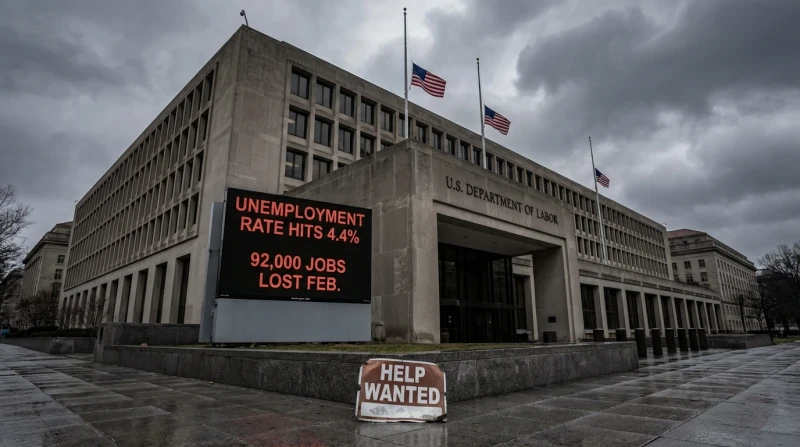
The U.S. labor market experienced a sharp contraction last month, losing 92,000 jobs as the national unemployment rate climbed to 4.4%, according to newly released government data. Both PBS and Spectrum News reported the unexpected decline, highlighting growing uncertainty in an economy that had previously shown steady job gains.
Job Losses Mark Sudden Shift
The latest report from the U.S. Bureau of Labor Statistics confirmed the extent of the downturn, marking the first time in over a year that employers collectively cut jobs. Economists had largely expected modest job growth, making the 92,000-job loss a surprise for many observers. Spectrum News emphasized that the contraction was broad-based, affecting several major industries.
- 92,000 jobs lost in the past month
- Unemployment rate increased to 4.4%
- First net job decline in over a year
Unemployment Rate Edges Higher
The national unemployment rate rose to 4.4%, up from the previous month’s 4.2%. This marks the highest level since 2024, suggesting that some job seekers are having greater difficulty finding work. Data from the Current Population Survey provides further context, showing that both permanent and temporary layoffs contributed to the uptick.
Industry and Regional Impact
While detailed industry breakdowns are still emerging, early analysis points to softness in sectors such as retail, manufacturing, and technology. PBS reported that service industries faced moderate reductions, while goods-producing sectors also saw notable declines. The geographic distribution of job losses remains mixed, with some regions—particularly those reliant on manufacturing—feeling sharper effects.
Broader Economic Context
This labor market pullback comes amid ongoing debates about the health of the U.S. economy. According to the Congressional Budget Office’s recent analysis, factors such as higher interest rates, persistent inflation, and global economic uncertainty have weighed on hiring decisions. The latest numbers may prompt policymakers to reassess their forecasts for job growth in 2026.
- The labor force participation rate remains steady, but the rise in unemployment suggests more people are actively seeking work without immediate success.
- Wage growth has slowed in several sectors, leaving some workers with reduced purchasing power.
What This Means for Job Seekers and Policymakers
For job seekers, the slowdown could mean greater competition and longer job searches, especially in industries already facing headwinds. Economists will be closely watching future employment statistics for signs of stabilization or further decline.
For policymakers, the unexpected contraction may trigger renewed calls for support measures or adjustments to economic policy. The Federal Reserve, in particular, faces pressure to balance inflation concerns with the need to foster job growth.
Looking Ahead
As the U.S. labor market digests this setback, experts emphasize the importance of tracking upcoming data releases and monitoring both domestic and global economic trends. While some analysts expect the job market to rebound in coming months, others caution that ongoing uncertainty could lead to further volatility.
For now, workers, businesses, and policymakers alike are closely watching for signs of a turnaround—or further challenges ahead.

Sarah Mitchell
Political correspondent with a sharp eye for the mechanics of government. Covers legislation, elections, and civic affairs with a focus on what policy changes actually mean for everyday people.