Business
US egg prices plunge as flock rebounds, consumers may see little relief
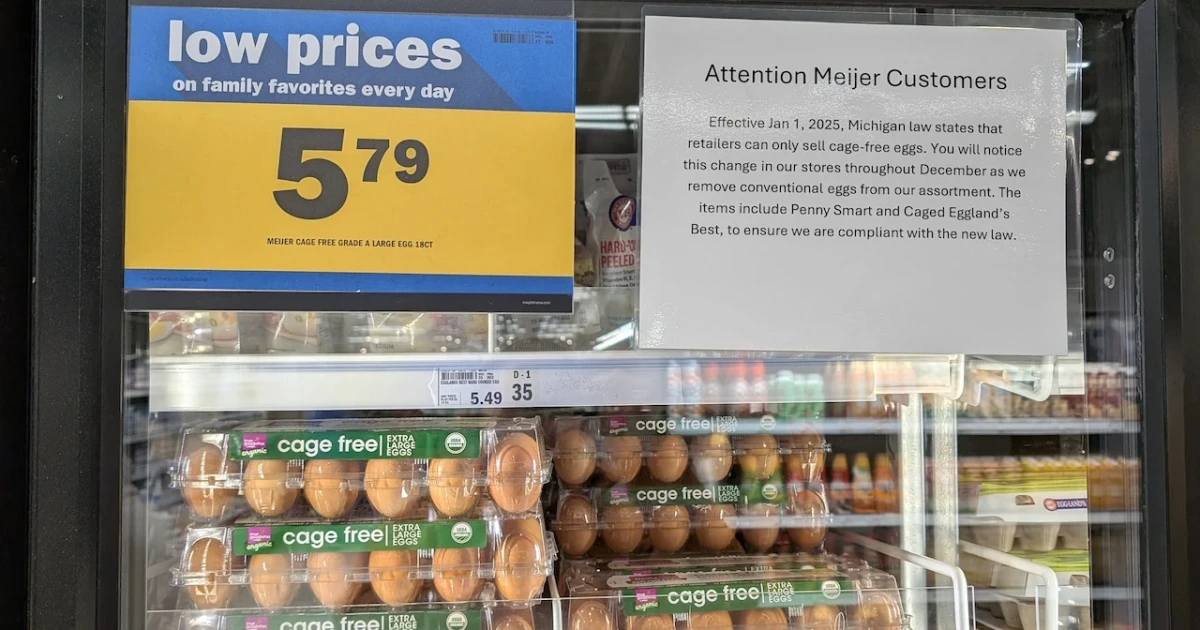
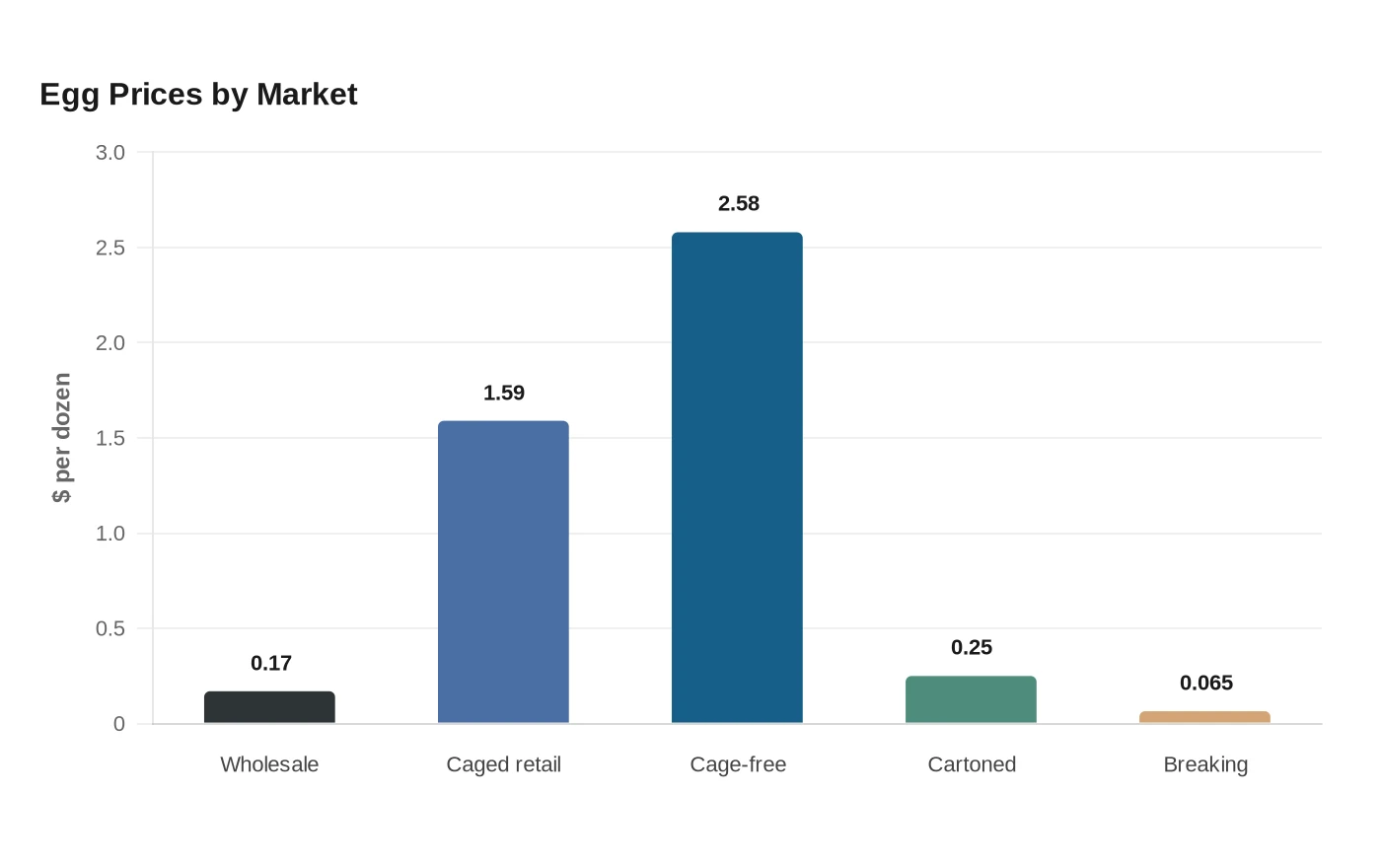
Egg prices have fallen sharply as U.S. flocks rebound from bird flu losses, yet shoppers are still seeing only a partial payoff at the checkout lane. Wholesale loose white Large shell eggs were down to 17 cents a dozen in early May, but retail promotions still showed conventional caged eggs at $1.59 a dozen and cage-free eggs at $2.58.
The turn comes after a rapid rebuild in supply. USDA said all layers in the United States totaled 373 million on Jan. 1, 2026, including 309 million table or market-type layers, and December 2025 egg production reached 9.12 billion eggs. That surge followed 2024-25 bird flu outbreaks that had pushed prices to record highs and forced buyers to scramble for product.

At the farm and wholesale level, the collapse has been even steeper. USDA’s Egg Markets Overview for May 1 showed Midwest producer prices for Large cartoned shell eggs at 25 cents a dozen, while breaking stock averaged just 6.5 cents a dozen. The American Farm Bureau Federation said the Midwest farmgate price for white shell eggs on May 8 was 25 cents a dozen, down $3.19, or 93%, from the same week in 2025. That is a dramatic swing for an industry that had spent much of last year dealing with shortages, not surpluses.
Consumers are not getting the full benefit because the path from wholesale to shelf is slow and uneven. Producer contracts can lock in prices, and feed, fuel and labor costs have not fallen as quickly as egg prices. The market itself also adds friction: billions of eggs move through Egg Clearinghouse, Inc., where trading and pricing signals ripple through a system that does not adjust instantly at retail. The result is a widening gap between the price producers receive and the price shoppers see on an ad tag.
The USDA’s Livestock and Poultry Outlook expects imports of eggs and egg products to total 122.5 million dozen on a shell-egg basis, a reflection of the 2025 production drop. The Economic Research Service says table-egg production is projected to rise year over year in both 2026 and 2027, suggesting the current glut may keep pressure on farm prices. For consumers, that could mean more sales signs but not necessarily a clean return to pre-shock pricing.
The volatility matters because eggs remain a staple purchase for American households, with the St. Louis Fed estimating average consumption at about 250 to 300 eggs per person each year. After prices more than doubled in some places and topped $6 a dozen in March 2025, the current pullback looks dramatic on paper. In practice, the savings are still working their way through a market that can punish farmers long before shoppers feel relief.
Sources
- [1]nytimes.com
- [2]ams.usda.gov
- [3]esmis.nal.usda.gov
- [4]fb.org
- [5]usda.gov
- [6]stlouisfed.org
- [7]cnbc.com
- [8]ers.usda.gov