World
US expands strikes on Iran as Tehran warns of wider war
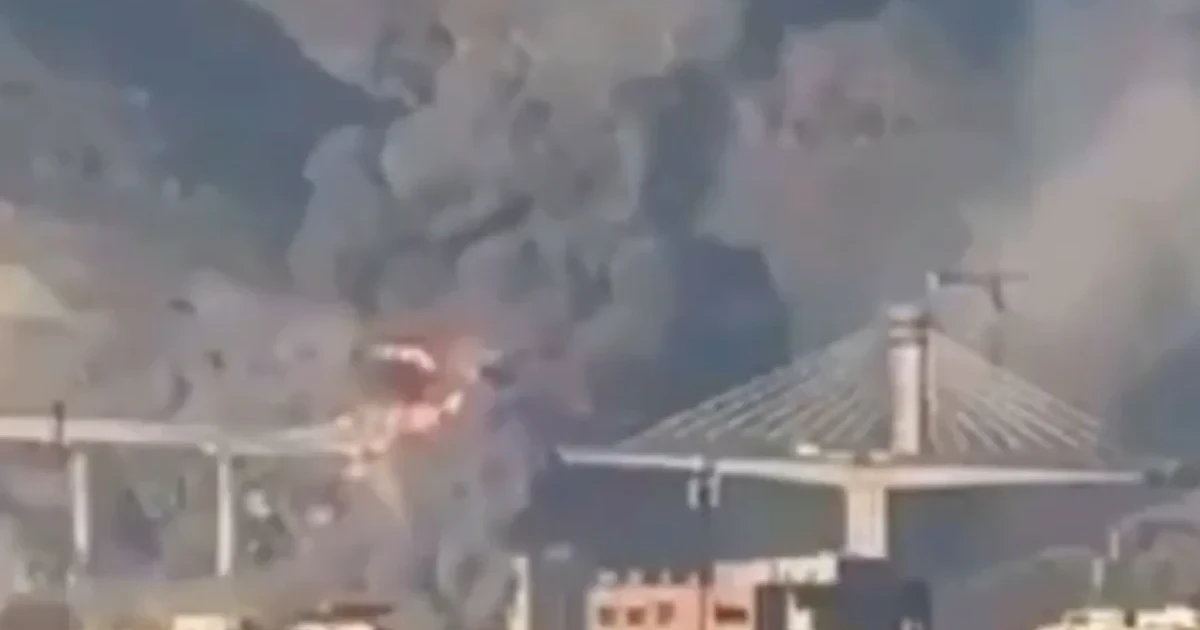
The US expanded its air campaign against Iran for a sixth straight night, with Iranian media saying the latest strikes hit an airport, a bridge and a communications tower. The escalation followed another wave of attacks launched July 15 after a round completed July 14, pushing the conflict deeper into infrastructure that shapes daily life and the movement of goods.
The pattern points to more than a narrow military strike set. Reuters-linked reporting said the campaign was tied to President Donald Trump’s threat to hit infrastructure to pressure Tehran, and the targets have broadened from military sites to bridges, an island, a tanker bound for a key oil port and, in one image caption, a renewed naval blockade against Iranian ports. That is the clearest sign yet of mission creep: the strike list is moving from battlefield assets toward the systems that keep Iran’s economy and maritime access functioning.
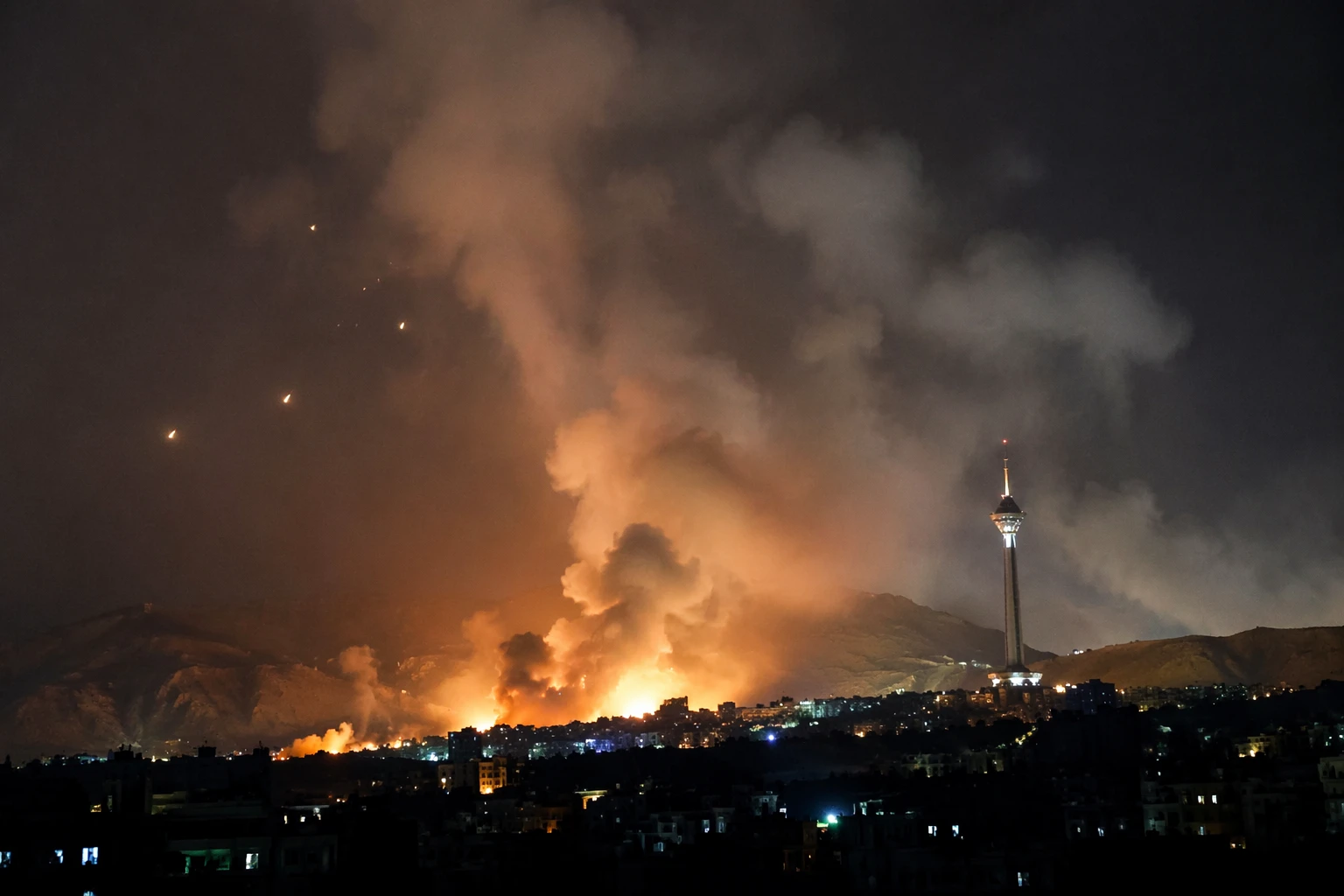
The scale has also grown. One earlier round hit more than 80 targets, and a later round struck 140 Iranian military targets on Saturday, underscoring a campaign that is no longer limited to isolated retaliation. The United States says it has completed successive waves of strikes, but the choice to keep returning night after night raises the question of whether Washington is still seeking a defined pressure point or settling into a broader air war with no clear stopping rule.
Tehran has answered with its own warnings. Iran said it could block more vital seaways, and the Revolutionary Guard claimed it targeted US positions in the region in response to American strikes. Iran’s foreign minister condemned the attacks as a hit on civilian infrastructure and said they would not force Iran to surrender. Those statements matter because the next phase may not be measured only by damage inside Iran, but by whether retaliation reaches US-linked assets, shipping lanes, or forces stationed around the Gulf.

The benchmarks for a wider war are already visible. If Iran follows through on threats against the Strait of Hormuz, if strikes spread to US positions or allied territory in Bahrain or Kuwait, or if attacks on tanker traffic continue, the conflict will have moved well beyond the current air campaign. A ceasefire or understanding came into effect on April 8, 2026, yet the continued strikes and counterthreats now suggest that the old guardrails have started to fail.
Sources
- [1]news.google.com
- [2]aljazeera.com
- [3]reuters.com
- [4]cnn.com
- [5]kcra.com