World
U.S. eyes Strait of Hormuz as Iran oil tensions escalate
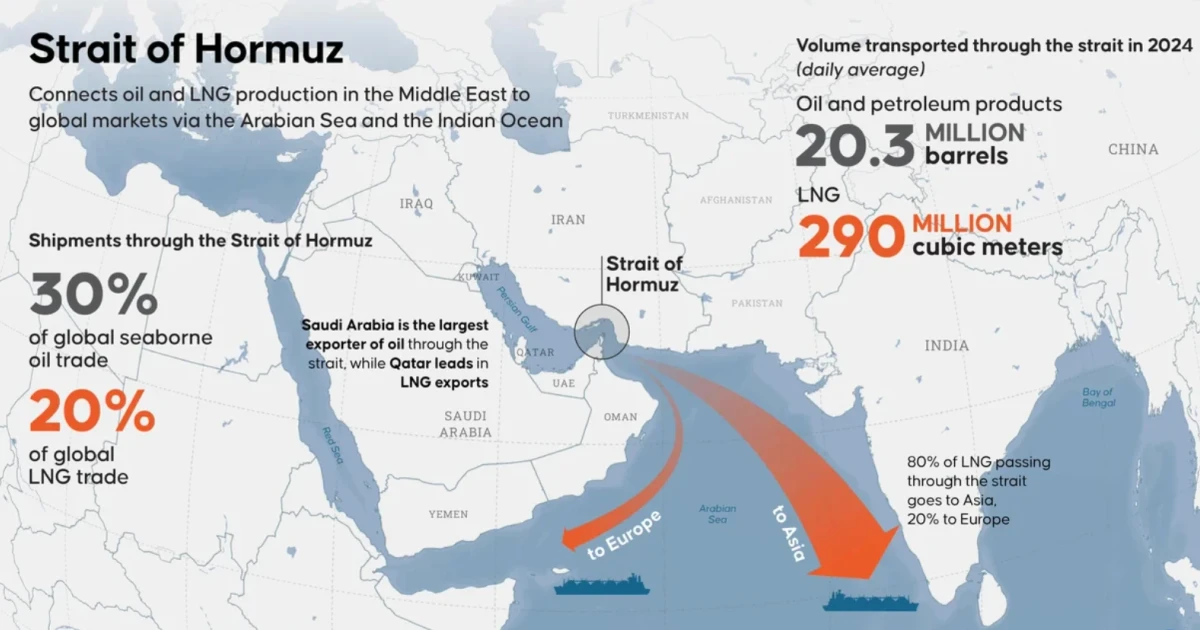
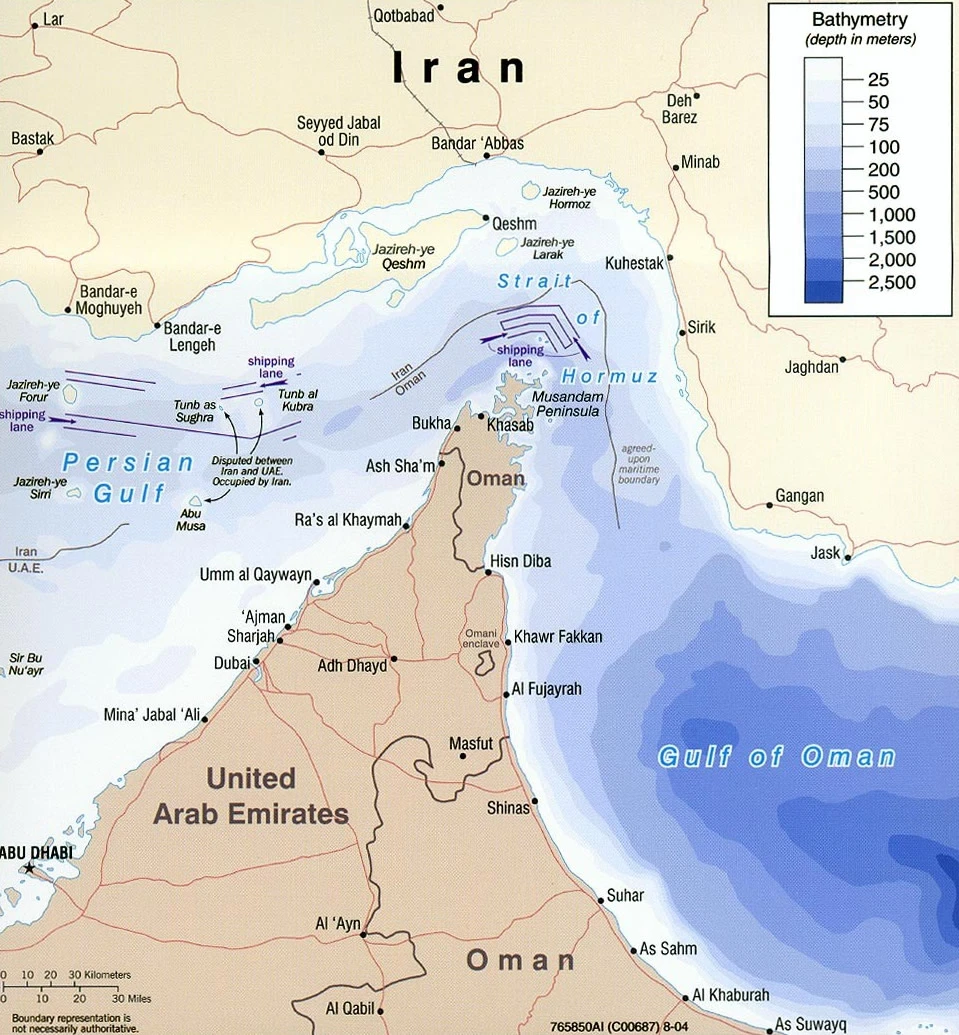
The Strait of Hormuz, the narrow waterway between Iran and Oman, sits at the center of the latest U.S.-Iran confrontation because it carries a huge share of the world’s fuel trade. About 27% of global maritime trade in crude oil and petroleum products passes through the strait, along with about 20% of global liquefied natural gas trade.
The bulk of the oil leaving Hormuz goes to Asian importers, especially China, India and Japan, but any prolonged disruption would tighten a market that already depends on Gulf supplies and spare production capacity. In March, the International Energy Agency said the Middle East war had become the largest supply disruption in the history of the global oil market, after crude and oil product flows through Hormuz plunged from around 20 million barrels a day before the war to a trickle.
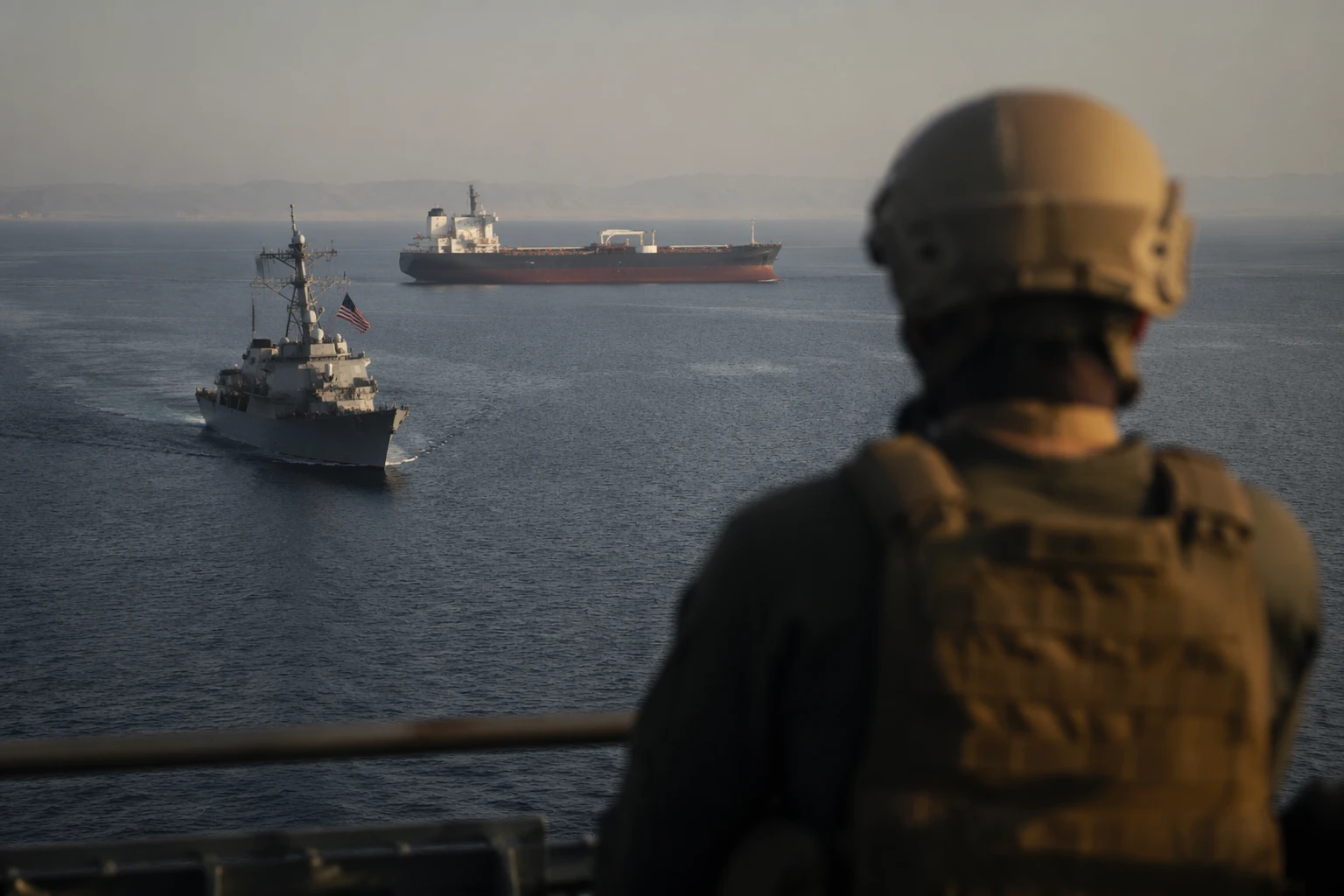
In its April forecast, the U.S. Energy Information Administration identified a Hormuz closure and related production outages as key drivers. The State Department has imposed restrictions on activities with Iran since 1979, after the seizure of the U.S. Embassy in Tehran, and the Trump administration has revived that playbook with a renewed maximum-pressure campaign aimed at cutting Tehran’s oil revenue and illicit shipping. On May 19, the department sanctioned 19 vessels and several currency-exchange entities tied to Iran’s sanctions evasion. On June 5, the department said Iran’s network had smuggled hundreds of millions of dollars’ worth of liquefied petroleum gas to markets in South and East Asia.
Oil prices rose nearly 3% to a four-week high on July 14 after the United States reimposed its naval blockade and the two sides stepped up attacks in Hormuz. The crisis also threatens access to most of the world’s spare oil production capacity, much of it held by Saudi Arabia.
Sources
- [1]nytimes.com
- [2]congress.gov
- [3]iea.org
- [4]eia.gov
- [5]state.gov
- [6]msn.com