World
U.S. feared Israeli strikes could derail Iran peace talks
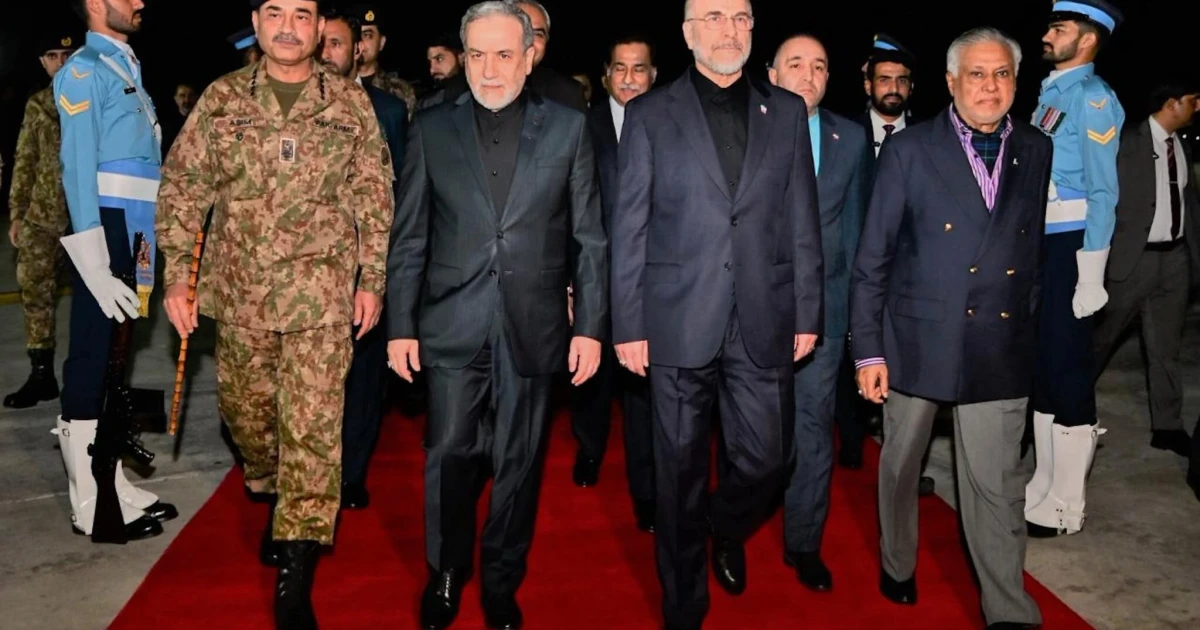
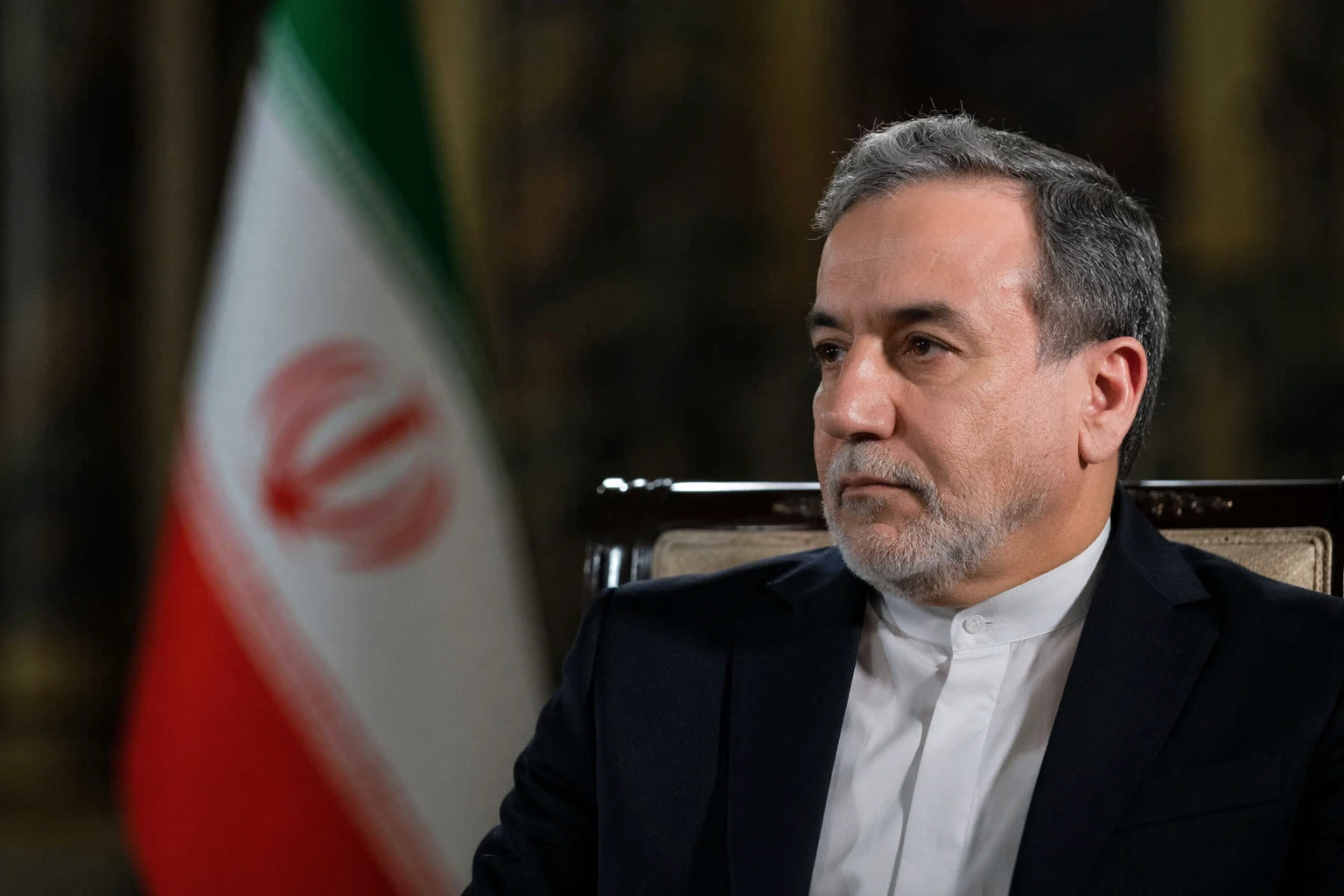
Washington feared that an Israeli strike on Abbas Araghchi or Mohammad Ghalibaf would not just kill two senior Iranian figures; it would collapse the channel for diplomacy before it could produce a deal. Washington, Tehran, Pakistan, Turkey and Egypt tried to keep nuclear talks alive.
By late March 2026, Araghchi, Iran’s foreign minister, and Ghalibaf, the parliament speaker, were temporarily removed from Israel’s list of officials to eliminate for about four or five days while mediators moved to preserve negotiations. The message sent to Washington was blunt: if the two men were eliminated, there would be no one left to talk to. Pakistan’s foreign office and military did not comment publicly at the time.
The stakes were reinforced in April, when Pakistan’s air force escorted the Iranian negotiating delegation home from inconclusive talks in Islamabad after Iranian officials feared Israel might try to assassinate them. The escort included roughly two dozen jets and an Airborne Warning and Control System aircraft. Pakistan was maintaining direct contact with both Washington and Tehran, and Iran was reviewing a 15-point proposal sent through Pakistan that would have required Tehran to remove highly enriched uranium stocks, halt enrichment, curb its ballistic missile program and cut off funding to regional allies.
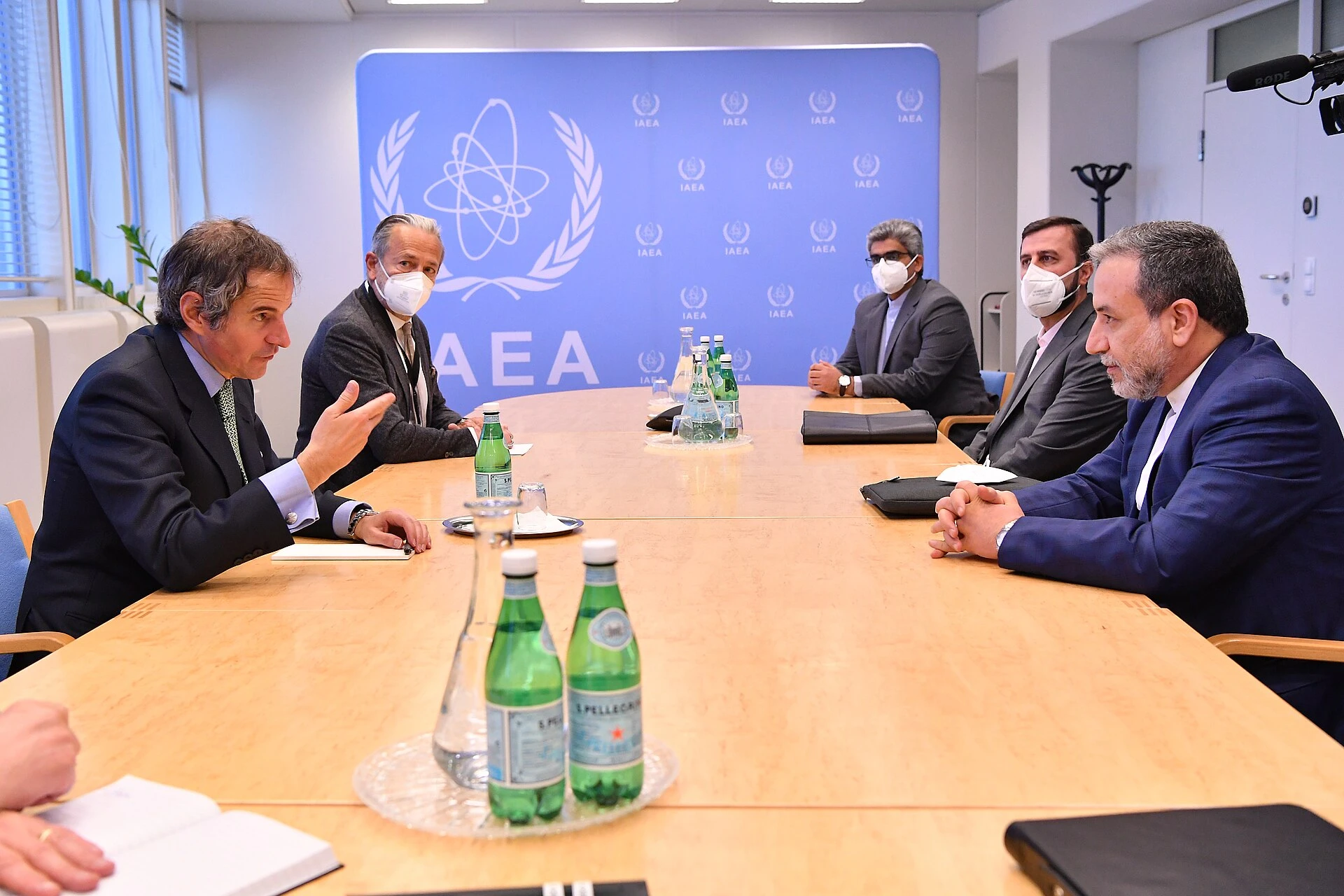
Israel launched major attacks on Iran on June 13, 2025, days before a planned sixth round of U.S.-Iran talks in Oman. Those strikes hit nuclear sites and senior military leadership and wounded at least 95 people, according to France 24. Later that year, Iranian President Masoud Pezeshkian alleged that Israel had tried to kill him, while Araghchi said in February 2026 that a deal had been close when talks were taking place in Geneva before U.S.-Israeli strikes followed.
Sources
- [1]nytimes.com
- [2]english.alarabiya.net
- [3]timesofisrael.com
- [4]france24.com
- [5]nbcnews.com
- [6]aol.com