US News
US Foreign Policy: Challenges, Shifts, and Global Impact in 2026
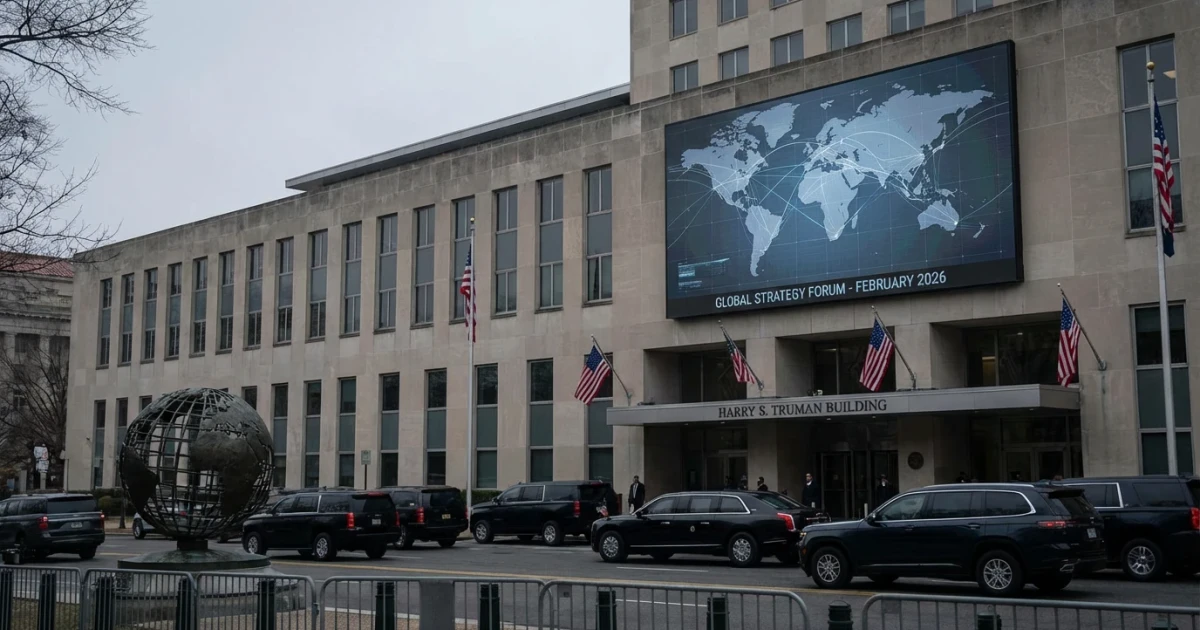
US foreign policy remains a central driver of international affairs, shaping alliances, security frameworks, and economic ties across the globe. In 2026, the United States continues to navigate complex geopolitical landscapes, balancing longstanding commitments with evolving strategic priorities.
Key Challenges Facing US Foreign Policy
- Geopolitical Rivalries: The US faces persistent competition from major powers, notably China and Russia, requiring nuanced diplomacy and robust multilateral engagement.
- Alliance Management: Maintaining and strengthening alliances, especially within NATO and the Indo-Pacific, is critical to advancing US interests and global stability.
- Security Threats: Transnational threats, including terrorism, cyberattacks, and the proliferation of advanced weaponry, remain high on the foreign policy agenda.
- Climate and Humanitarian Concerns: The US is increasingly addressing climate change, humanitarian crises, and global health challenges as integral components of its international strategy.
Recent Shifts in US Strategic Priorities
Recent years have seen the US recalibrate its foreign policy in response to shifting global dynamics. There is a growing emphasis on:
- Strengthening diplomatic engagement in the Indo-Pacific region to counterbalance China's rising influence.
- Reaffirming commitments to European security in light of ongoing tensions with Russia.
- Expanding economic partnerships and trade agreements to enhance competitiveness and foster development among emerging economies.
- Promoting democratic values and human rights as central tenets of US international engagement.
Implications for Global Relations
The direction of US foreign policy influences allies and adversaries alike. Decisions made in Washington reverberate across:
- Security alliances, shaping collective defense strategies and military cooperation.
- Economic systems, affecting global markets and the flow of trade and investment.
- International organizations, where US leadership often sets the tone for multilateral initiatives on climate, health, and security.
Looking Ahead
As 2026 progresses, the US will need to adapt its foreign policy to meet new challenges and opportunities. Effective leadership, strategic foresight, and sustained engagement with global partners will be essential to maintaining US influence and advancing international peace and prosperity.
Sources
- [1]The Guardian