Health
US Funding Cuts Strain Global Ebola Response
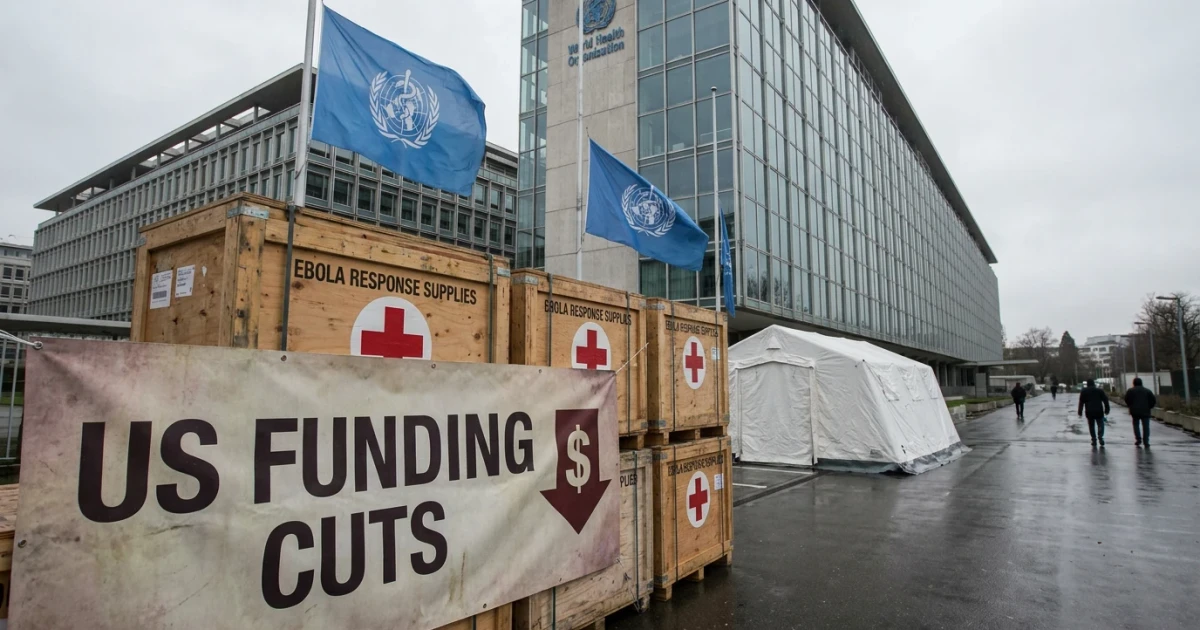
Recent funding cuts by the United States have complicated efforts to contain the ongoing Ebola outbreak, according to aid organizations and responders on the ground. As the latest wave of the deadly virus continues to impact communities, those involved in the international response say the reduction in US support has left critical gaps in resources, staffing, and medical supplies.
Impact of US Funding Cuts
According to reporting from CNN, frontline aid workers and health officials have noted that US funding—long a cornerstone of global Ebola response—has declined at a crucial moment. The United States has historically been one of the largest contributors to disease outbreak response, supporting everything from emergency clinics to contact tracing and vaccine distribution. The recent reduction in funding has meant fewer resources for rapid deployment teams and less support for local health infrastructure.
- US government funding has played a central role in past Ebola responses, supporting both emergency and long-term disease prevention programs. See official US funding breakdown here.
- The World Health Organization and other agencies rely on US contributions for logistics, lab testing, and community engagement—key pillars of containing outbreaks.
Aid organizations report that the funding shortfall has forced them to scale back outreach, reduce staff, and limit the supply of protective equipment. This has made it more difficult to isolate suspected cases quickly and safely, raising the risk of further transmission.
Consequences for Outbreak Control
As described by health workers interviewed by CNN, the reduction in resources has coincided with a rise in cases in affected areas. Longer response times and fewer personnel on the ground have led to delays in isolating patients and tracking contacts, crucial strategies for stopping the spread of Ebola virus disease.
- Delays in case identification and isolation can allow the virus to spread within families and health facilities.
- Insufficient protective equipment puts both health workers and patients at greater risk.
These challenges are compounded by the logistical difficulties of working in remote, conflict-affected areas, where access is limited and mistrust of outsiders can be high.
International Response and Funding Gaps
The shortfall in US funding is part of a wider challenge facing the international Ebola response. The World Health Organization’s funding appeals for Ebola operations in the Democratic Republic of Congo and elsewhere frequently fall short of targets, leaving gaps in medical supplies, transportation, and community education.
According to aid agencies, even small reductions in funding can have outsized impacts, as the high cost of outbreak response and the need for rapid scale-up mean that every dollar counts. Without adequate resources, the risk grows not only for affected communities but also for global health security, as uncontrolled outbreaks can spread across borders.
Looking Ahead
While the US remains a key player in global health, aid workers stress the need for consistent and robust international funding to ensure that outbreaks like Ebola are quickly contained. As the current crisis continues, experts warn that underfunding could have lasting repercussions, undermining years of progress in outbreak response and preparedness.
For readers seeking more information about Ebola outbreak statistics, funding status, and ongoing response efforts, resources such as the Humanitarian Data Exchange and UN OCHA’s coordination page provide up-to-date data and analysis.
The continued threat of Ebola underscores the importance of sustained investment, international cooperation, and readiness to respond rapidly to emerging health crises—reminding policymakers and the public alike that global health security is a shared responsibility.