Business
U.S. gas prices fall below $4 a gallon for first time since March
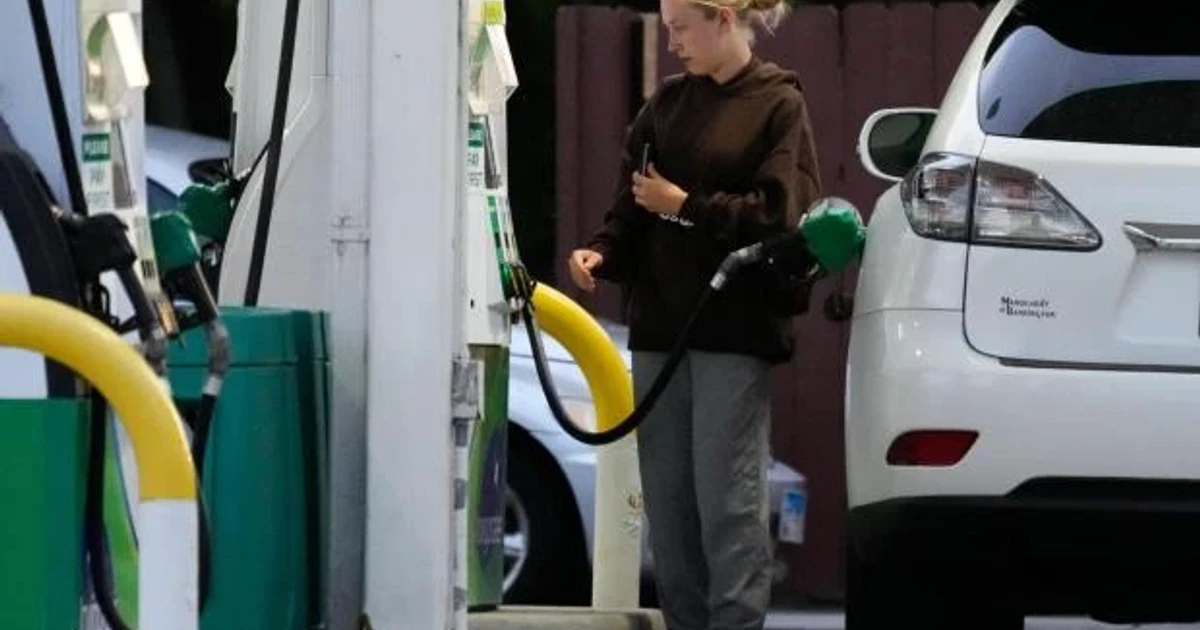
The average U.S. price for regular gasoline fell to $3.9990 a gallon on June 18, slipping below $4 for the first time since March 30. For drivers hitting the road in peak summer travel season, that is both a real bit of relief and a symbolic milestone after months of elevated pump prices.
The drop was not felt evenly across the country. AAA’s state data showed California at $5.642 a gallon and Washington at $5.436, while Indiana was at $3.399, one of the lowest averages in the nation. That spread means the sub-$4 national average will look different depending on where a household fills up: a welcome easing in parts of the Midwest, but barely a dent in the cost of driving in the West.

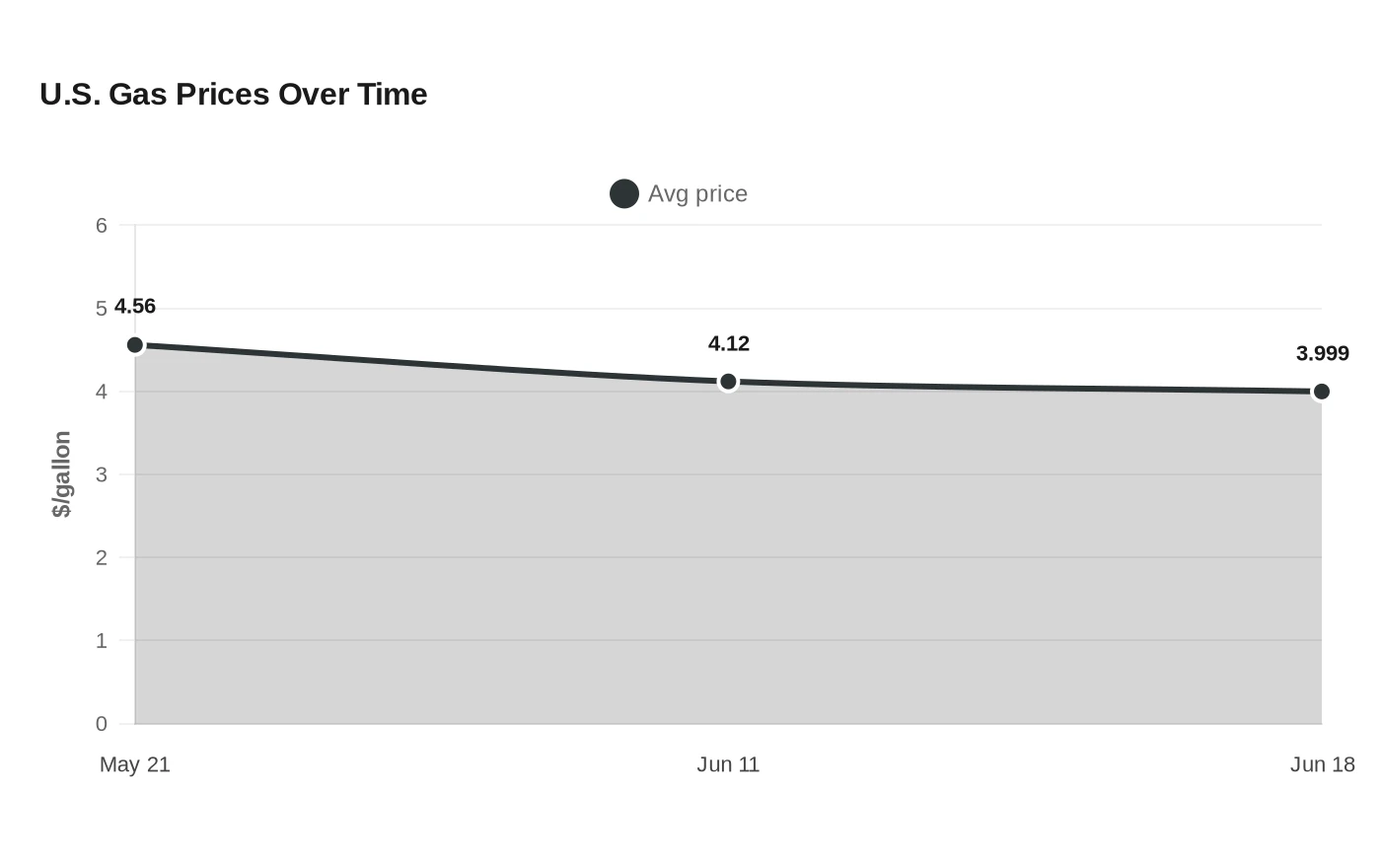
AAA said the national average had fallen for three straight weeks, sliding from $4.56 on May 21 to $4.12 on June 11 before dipping below $4. The move tracked with a sharp cooling in oil-market fears tied to the Middle East, after President Donald Trump signed an agreement with Iran involving the Strait of Hormuz and sanctions-related terms. As tensions eased, crude prices softened and gasoline followed.
The U.S. Energy Information Administration added a broader demand signal to the mix. In its June Short-Term Energy Outlook, the agency said it lowered its expectation for global oil demand in 2026, citing high fuel prices and reduced fuel availability that were already curbing consumption. The EIA also said limited shipping through the Strait of Hormuz had reduced Middle East crude production by more than 11 million barrels a day in May compared with pre-conflict levels.
Even with the recent decline, the break below $4 may matter more as a psychological marker than as a full return to easy driving costs. Prices remain well above the lows many households grew used to in previous years, and the regional gaps show how quickly a national average can obscure the burden on drivers in the most expensive states. The latest move points to a softer oil and gasoline market for now, but the size of any lasting relief will depend on whether supply lines through the Strait of Hormuz stay open and crude prices remain contained.
Sources
- [1]cbsnews.com
- [2]gasprices.aaa.com
- [3]eia.gov
- [4]usnews.com