US News
U.S. Gas Prices Reach Four-Year High Amid Strait of Hormuz Tensions
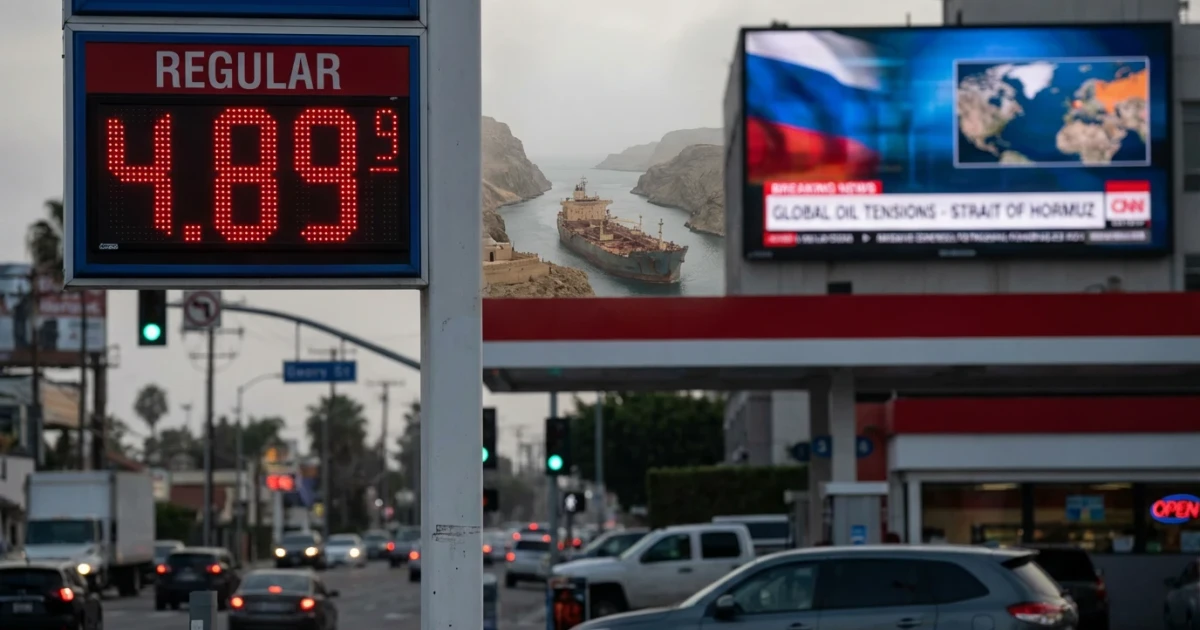
U.S. drivers are facing the highest gasoline prices in four years following a sharp increase reported Tuesday. The spike, the largest one-day jump in over a month, comes as international negotiations to reopen the crucial Strait of Hormuz remain stalled, fueling concerns about global oil supply disruptions.
Gasoline Prices Surge to Multi-Year Highs
The latest data from the U.S. Energy Information Administration (EIA) confirms that retail gas prices have reached their highest levels since 2022. Tuesday’s jump marked the biggest single-day increase in more than a month, reflecting the market’s sensitivity to geopolitical developments impacting oil supply chains.
- Average U.S. regular gasoline price now stands at its highest in four years, per EIA historical records.
- Regional differences persist, with West Coast and Northeast states seeing prices above the national average.
- Tuesday’s price hike outpaced previous weekly changes, according to AAA’s gas price report.
Strait of Hormuz Deadlock Fuels Market Jitters
The Strait of Hormuz is a strategic maritime chokepoint, responsible for the transit of nearly a fifth of global oil supply. The current stalemate in negotiations to reopen the strait, as reported by multiple outlets, has heightened fears of prolonged supply disruptions. These concerns have translated into higher futures prices for gasoline and crude oil, which typically pass through to U.S. consumers at the pump.
How Global Events Shape Local Prices
According to the EIA’s explainer on gasoline prices, domestic fuel costs are influenced by a combination of factors:
- Crude oil prices, which account for more than half of the retail gasoline cost
- Refining and distribution expenses
- Taxes and regional differences in supply and demand
When major supply routes like the Strait of Hormuz are compromised, the ripple effect is felt worldwide, with U.S. motorists often seeing higher prices within days of disruptions.
Market Response and Consumer Impact
The surge in prices is already affecting American households and businesses. Analysts note that spikes of this magnitude can influence consumer spending and travel habits, especially as the summer driving season approaches. Ongoing uncertainty around the Strait of Hormuz could keep gasoline futures elevated, prolonging higher pump prices.
What’s Next?
Energy experts are closely monitoring diplomatic efforts to resolve the deadlock. If the blockade persists, additional price volatility is likely. However, any breakthrough in negotiations could lead to a swift correction in global oil and gasoline markets, providing potential relief for drivers.
For up-to-date national and regional gasoline prices, readers can visit the EIA’s Gasoline and Diesel Fuel Update.
As the situation develops, U.S. consumers are urged to stay informed about market trends and consider strategies to mitigate the impact of higher fuel costs.