Business
U.S. goods trade deficit widens to 14-month high in May
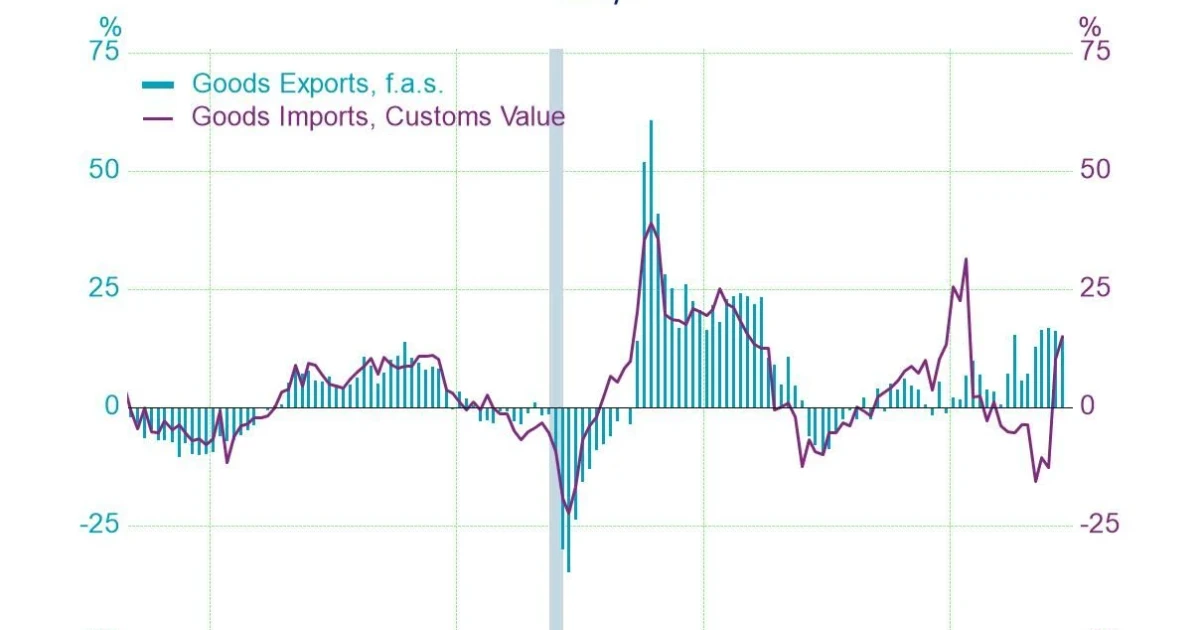
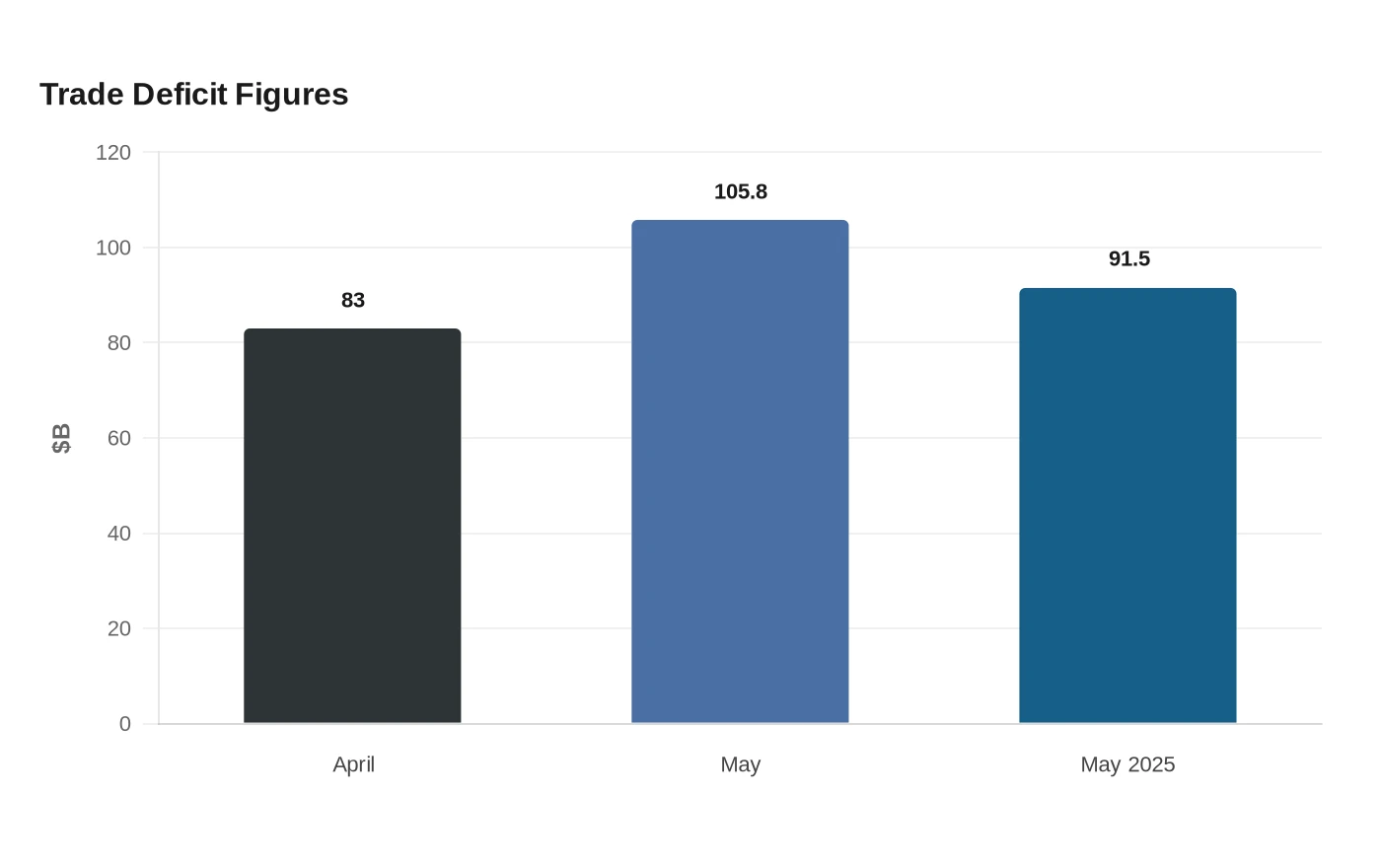
The U.S. goods trade deficit jumped to a 14-month high in May as companies rushed to bring in imports ahead of feared shortages and higher prices tied to the Middle East conflict. The Census Bureau said the gap widened to $105.8 billion, up $22.7 billion from $83.0 billion in April and the highest since March 2025.
The deterioration was driven by both sides of trade. Goods exports fell to $207.7 billion in May, down $11.8 billion from April, while goods imports rose to $313.4 billion, up $10.9 billion. That combination made the deficit wider than the $91.5 billion recorded in May 2025, underscoring how quickly trade flows shifted over the past year.
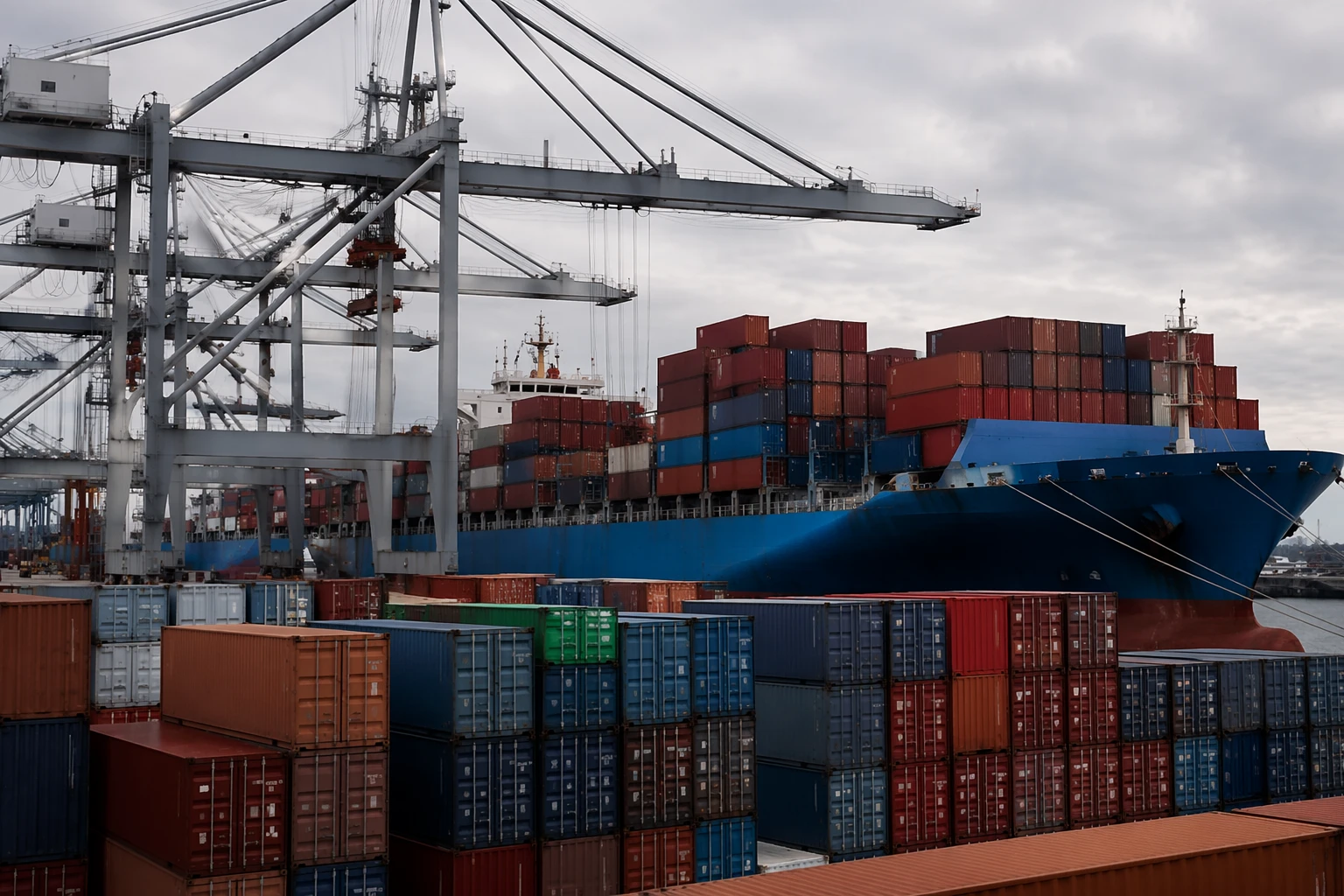
The pattern points to front-loading by businesses trying to get ahead of possible disruption. If firms expect shipping delays, higher freight costs or pricier inputs, they often buy earlier than planned, even if that temporarily swells imports and squeezes the trade balance. In the short run, that can leave companies with fuller inventories; later, if the feared shortages do not materialize, those stocks can work their way through warehouses and distribution channels more slowly than expected.
The trade report also fed directly into growth expectations. Morgan Stanley cut its second-quarter GDP growth estimate to an annualized 2.1% from 2.5% after the data, while Goldman Sachs lowered its forecast by 0.2 percentage points. The Federal Reserve Bank of Atlanta’s GDPNow model had put second-quarter growth at 3.0% on June 1 and 2.8% by June 16, showing how trade data can move near-term forecasts even before the quarter ends.

Reuters-linked coverage of June manufacturing data added to that picture, saying companies had preemptively placed new orders in anticipation of shortages and higher prices. That suggests the May trade figures were not just a backward-looking accounting entry but a signal of how businesses were reacting to geopolitical risk in real time.
For consumers, the risk is that the import surge does not stay confined to port logs and customs data. If companies are paying more to secure supplies early, those costs can filter into inventory decisions, wholesale pricing and eventually store shelves. The May deficit shows how Middle East tensions are already changing U.S. trade behavior, with the immediate effect showing up in larger imports, weaker exports and a sharper drag on second-quarter growth.
Sources
- [1]money.usnews.com
- [2]census.gov
- [3]gdpnow