Politics
U.S. Government Faces Shutdown After Congressional Standoff on DHS Funding
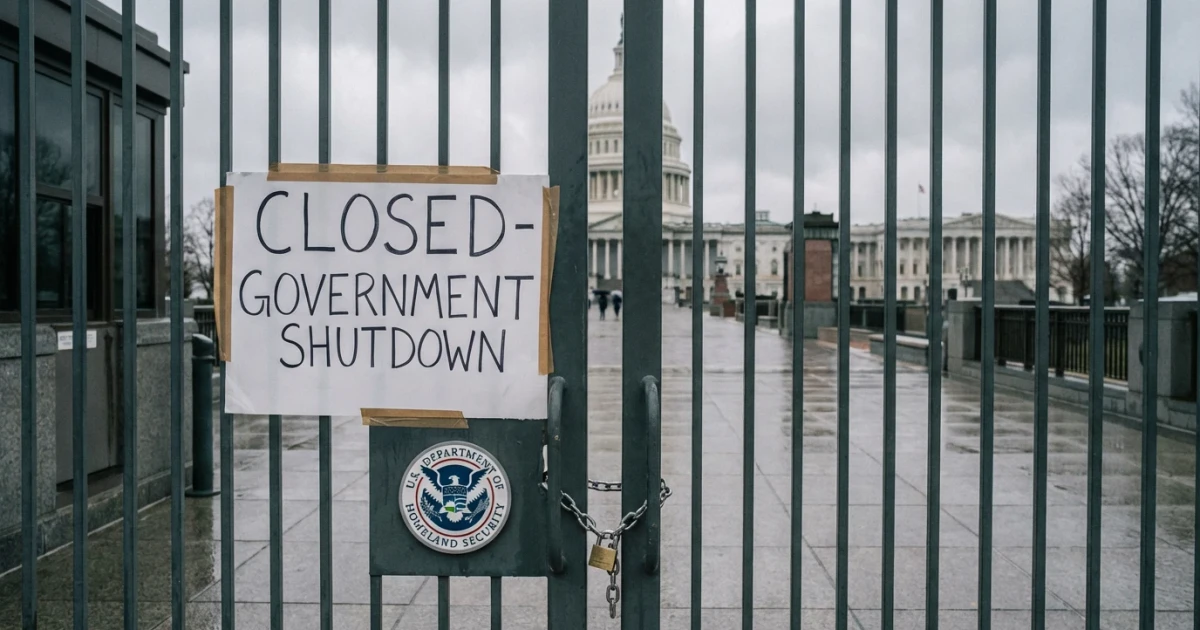
The United States federal government entered another shutdown after a major dispute in Congress over funding for the Department of Homeland Security (DHS), with Democratic lawmakers leading a revolt that halted the passage of a critical funding bill. The development heightens concerns over the stability of essential government services and underscores the deepening partisan divide in Washington.
The Shutdown: What Triggered the Stalemate?
The latest shutdown comes as Congress failed to reach an agreement on a funding package for the DHS, a department responsible for safeguarding national security and managing border operations. According to reports, Democratic lawmakers in the House and Senate objected to provisions within the funding bill, leading to a revolt that blocked its passage. The resulting impasse left the federal government without the necessary authorization to continue operations, triggering an immediate shutdown.
Key Agencies Impacted
- Department of Homeland Security: Operations including border security, immigration enforcement, and emergency response face potential disruptions.
- Federal Workers: Hundreds of thousands of government employees face furloughs or delayed paychecks, with essential staff required to work without immediate compensation.
- Public Services: National parks, museums, and other federally-funded services may experience closures or reduced operations, depending on the duration and scope of the shutdown.
Political Context and Fallout
The shutdown is the latest in a series of budgetary showdowns that have plagued the federal government in recent years. The main point of contention in this round centers on specific policy riders and allocations related to DHS, with Democrats refusing to support a funding package they view as incompatible with their legislative priorities or policy values.
This standoff marks the first major shutdown of 2026 and is expected to intensify calls for bipartisan negotiation. Observers note that the impasse could have longer-term implications for both parties, especially as the 2026 midterm elections approach and voters scrutinize the ability of lawmakers to govern effectively.
Immediate and Long-Term Impacts
- Economic Ripple Effects: Past shutdowns have cost the U.S. economy billions in lost productivity, delayed contracts, and reduced consumer confidence.
- National Security Concerns: Any delay or disruption in DHS operations could affect border security and emergency preparedness, heightening anxiety among the public and policymakers alike.
- Public Frustration: With federal services halted or diminished, ordinary Americans may feel the impact in areas ranging from tax processing to passport issuance.
Looking Ahead: What Could Break the Deadlock?
As the government shutdown stretches into its initial hours, pressure is mounting on Congressional leaders from both parties to strike a deal. The White House, advocacy groups, and public sector unions are all expected to weigh in as negotiations continue behind closed doors. The outcome will likely depend on lawmakers' willingness to compromise on contentious DHS funding provisions and their ability to craft a bipartisan solution that restores government operations quickly.
For ongoing updates and information on government shutdown impacts, visit the official U.S. Government Shutdown Resource Page.
The coming days will be crucial in determining whether Congress can resolve its differences and end the shutdown, or if the stalemate will persist, deepening the challenges facing federal workers and the American public.
Sources
- [1]Fox News