Politics
U.S. grants 60-day reprieve for Iranian oil sales amid deal talks
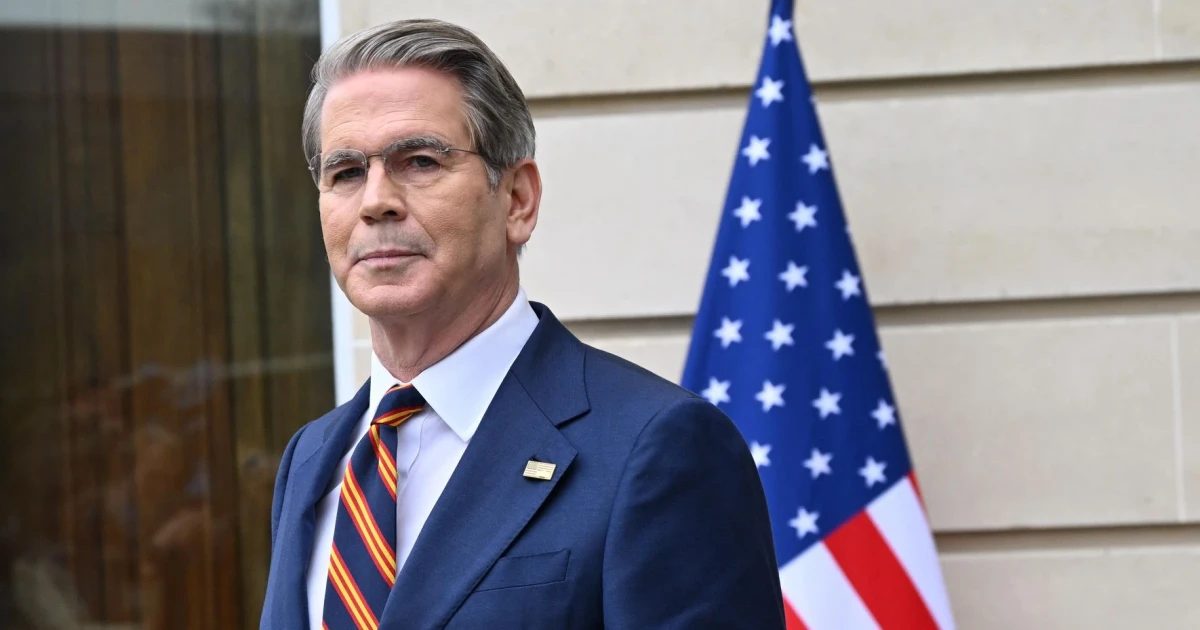
Washington abruptly reversed years of pressure on Iran on Monday, issuing a 60-day reprieve that lets Tehran sell crude oil again while negotiators try to lock in a wider ceasefire and security deal. The Treasury Department’s general license opens the door to Iranian crude, petrochemical and petroleum products through August 21, 2026, and it also authorizes banking, transportation and insurance services needed to move those barrels.
The concession is tied to Iranian promises to keep transit free and open through the Strait of Hormuz and to allow International Atomic Energy Agency inspectors into the country. Treasury Secretary Scott Bessent said the move followed “ongoing productive talks” in Switzerland, where the memorandum of understanding was scheduled to be formally signed on Friday. The arrangement reportedly includes a 60-day ceasefire period, with follow-on talks meant to address Iran’s nuclear program and spell out a timetable for lifting U.S. and United Nations sanctions if a final agreement is reached.
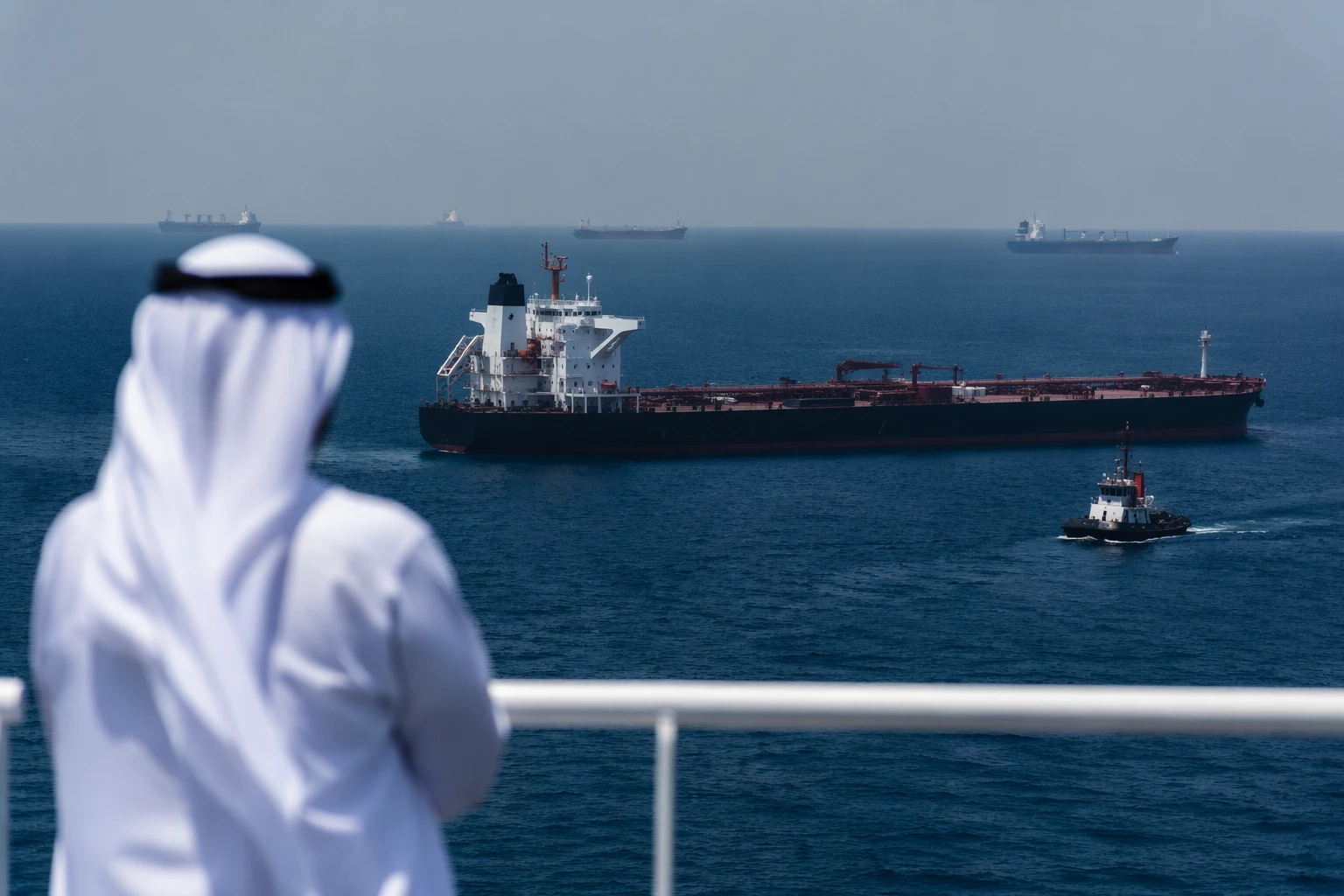
The immediate market reaction was swift. Brent crude futures fell about 4% in early trading after the announcement, as traders reassessed the risk premium tied to one of the world’s most important shipping corridors. A U.S. official quoted by Reuters said the Strait of Hormuz carries about 20% of the world’s oil and liquefied natural gas, underscoring why any restraint on attacks or disruption there can move prices quickly.
For Iran, the reprieve could unlock a large stockpile that has been trapped by sanctions pressure. Reuters reported that Iran has more than 100 million barrels of oil in storage and on tankers, with more than 60 million barrels outside the U.S. blockade. Independent Chinese refiners have been the main buyers of sanctioned Iranian oil in recent years, while India, South Korea, Japan, Italy, Greece, Taiwan and Turkey were major customers before sanctions were restored.
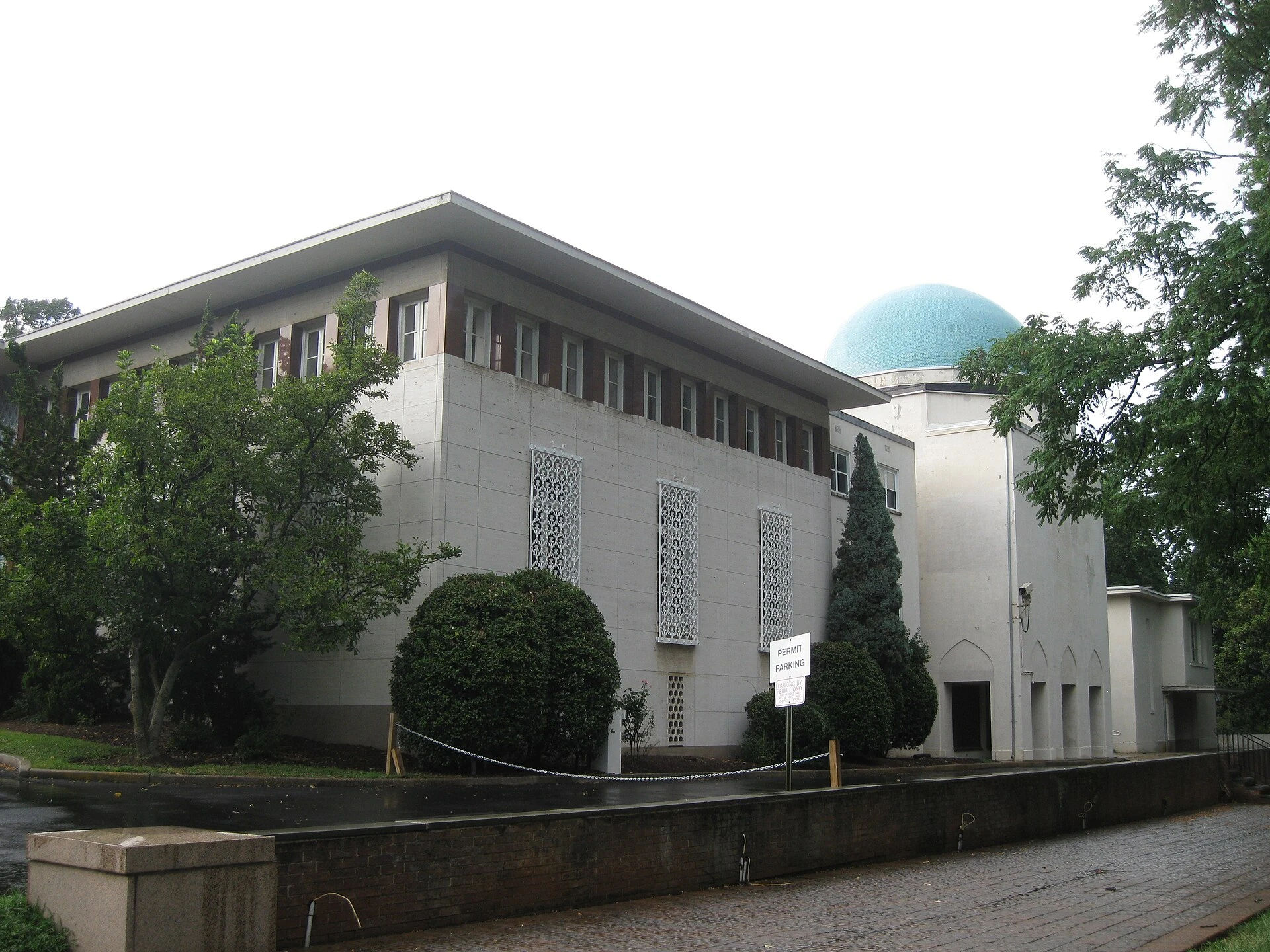
The policy shift also carries a larger political cost for Washington. The United States first sanctioned Iran in 1979 after the seizure of the U.S. Embassy in Tehran, then reimposed sweeping oil sanctions in 2018 over Iran’s nuclear program and support for militant groups. Brett Erickson called the new license a “multibillion-dollar concession to Iran,” a reminder that Washington is trading immediate sanctions relief for leverage that may prove fragile if the ceasefire or the shipping guarantees unravel.
Sources
- [1]nytimes.com
- [2]al-monitor.com
- [3]usnews.com
- [4]ofac.treasury.gov
- [5]state.gov