World
U.S. grants Iran 60-day oil export reprieve amid ceasefire talks

Washington sharply reversed course, granting Iran a 60-day reprieve on oil exports as part of a preliminary ceasefire deal meant to open space for ending the war. The temporary waiver loosened restrictions on Iranian crude sales and revenue, delivering an immediate financial lift to Tehran while easing some of the pressure that had jolted global energy markets.
The draft arrangement, described as an interim memorandum of understanding, was built around two linked goals: reopening the Strait of Hormuz and creating a 60-day negotiating window for a final agreement. A senior Iranian official said on June 14 that the draft covered Tehran’s nuclear work, an oil sanctions waiver and asset relief, while leaving the parties still to settle the final text. That uncertainty underscored the bargain at the center of the policy shift, namely that sanctions relief was being used as diplomatic leverage rather than as a final concession.
For oil traders and refiners, the immediate upside was clearer than the politics. More Iranian crude could flow if the truce held, and the prospect of steadier traffic through the Strait of Hormuz reduced some of the fear premium built into prices during more than three months of war. The International Energy Agency had already warned that the supply shock from the fighting had weakened demand and could later tip the market into surplus if production rebounded too quickly.
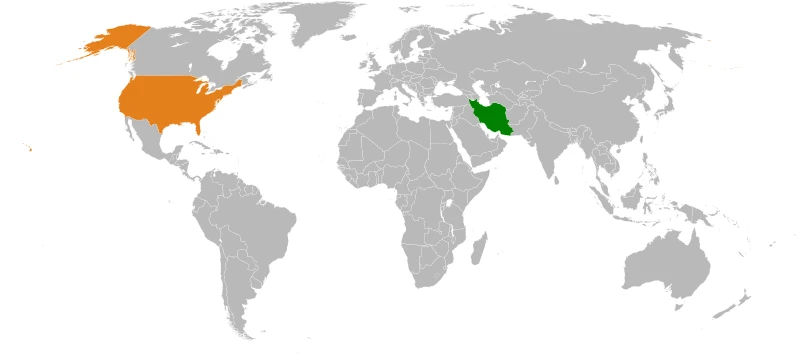
The move also reopened a deeper fight over sanctions credibility. For years, the Treasury has said Iranian oil revenues help finance Iran’s military, ballistic missile and drone programs, along with regional proxy activity. Critics argued that a pause on enforcement could blur that long-standing message and give Tehran breathing room before any durable limits on its nuclear program or security posture were locked in.
The political reaction in Washington was split. JD Vance said Iran was honoring the peace deal so far and argued that sanctions could be waived without congressional approval. Republican lawmakers publicly attacked the agreement as details emerged, pressing for answers on Iran’s nuclear program, its missile capabilities and its support for militant groups. With talks still in motion and the 60-day clock already running, the administration traded near-term pressure for a narrow diplomatic opening, betting that a fragile pause could outlast the fallout it created.
Sources
- [1]nytimes.com
- [2]reuters.com
- [3]cnbc.com
- [4]usnews.com
- [5]thehill.com
- [6]home.treasury.gov