Health
U.S. hospitals better prepared for low Ebola risk during World Cup
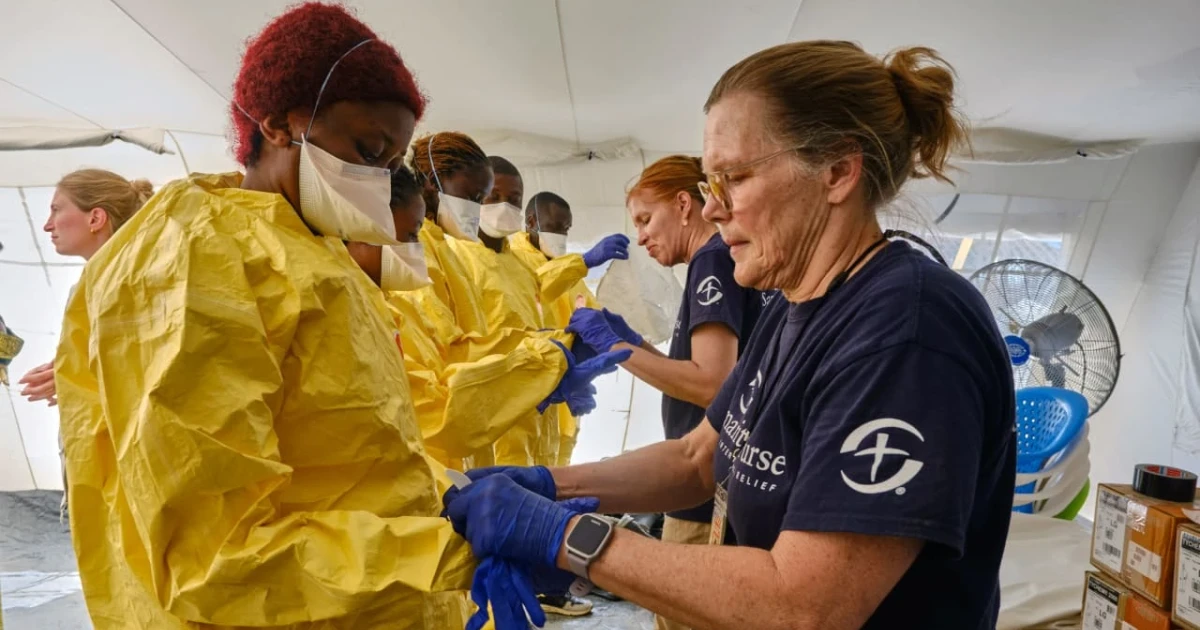
Public health officials said the Ebola risk around the 2026 World Cup remained low, but not zero, and that U.S. hospitals were far better prepared than they were during the Dallas scare of 2014. The tournament’s scale kept health agencies watchful: 104 matches were being played across the United States, Mexico and Canada over 39 days, drawing millions of fans through airports, stadiums and city centers.
The biggest change from a decade ago was the American response system itself. After the West African outbreak exposed gaps in hospital screening and isolation, the United States put about $260 million into Ebola preparedness and built 13 specialized treatment centers designed to identify, isolate and care for suspected patients safely. That investment mattered in a mass-gathering setting, where an imported case can move quickly from an airport to an emergency department if frontline staff are not ready.
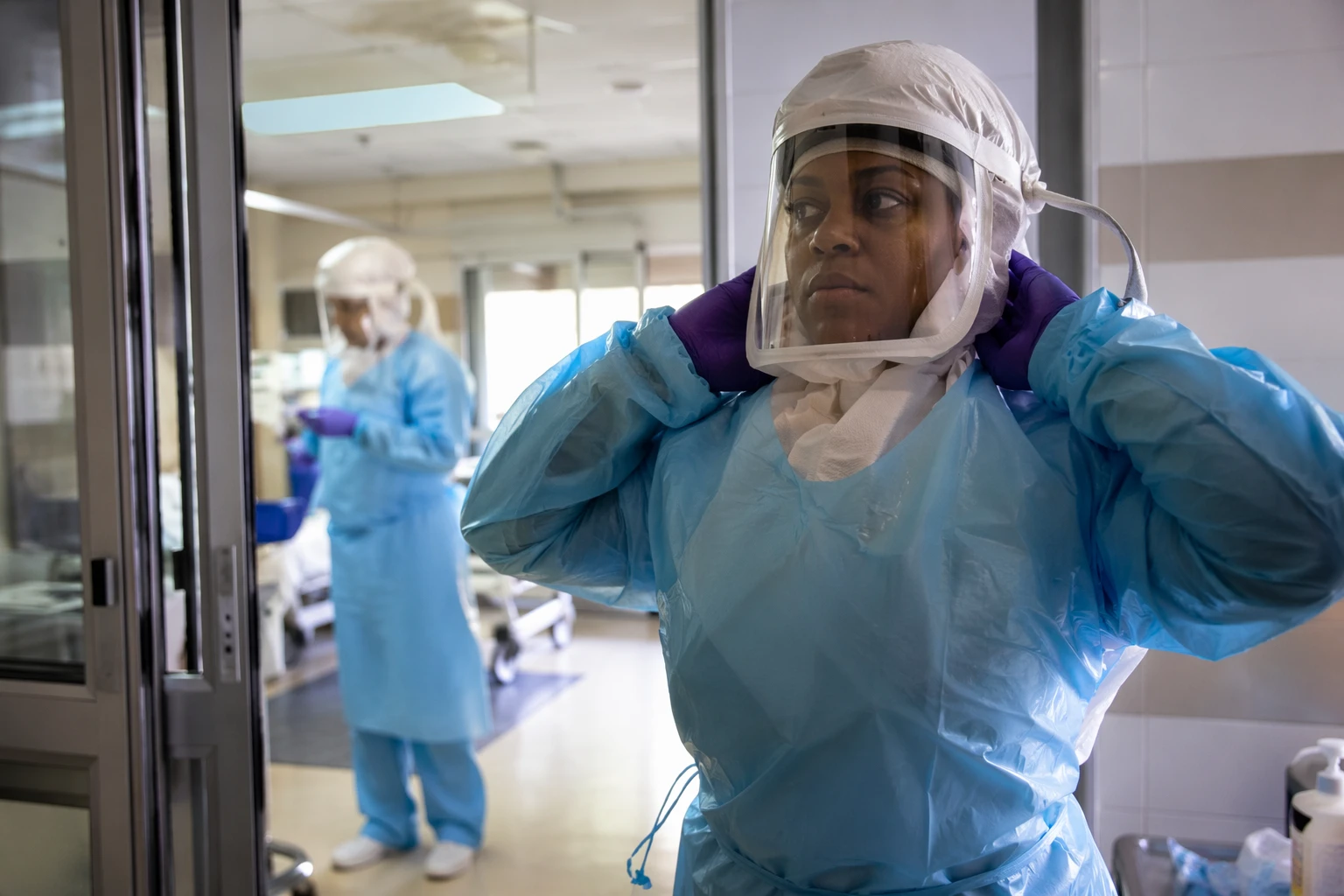
The concern this year centered on the ongoing Bundibugyo-virus outbreak in the Democratic Republic of the Congo and Uganda. CDC said the outbreak was declared on May 15 and that, as of June 2, there were 378 confirmed cases and 63 confirmed deaths. WHO later said the DRC had added 390 confirmed cases and 74 confirmed deaths since May 29 as testing scaled up. WHO also noted that Bundibugyo virus disease has no licensed vaccine or specific treatment, and that case fatality rates in past outbreaks have ranged from about 30 percent to 50 percent.
Even so, officials stressed that the immediate danger to the World Cup was low. CDC said on its June 14 Ebola situation page that no U.S. cases had been confirmed from the current outbreak and that the overall risk to the American public and travelers remained low. WHO/Europe said on June 11 that no host country or European region currently had Ebola cases and that travelers had no reason to change plans.
The sharper public health worry was not Ebola but respiratory disease. PAHO warned in June that measles surveillance and vaccination were a priority because measles was rising across the Americas, including all three host countries. CDC and PAHO both issued World Cup travel guidance in June, urging fans to stay current on vaccinations and prepare for the kinds of infections that spread most easily when a global tournament fills planes, hotels and transit systems.