US News
U.S. Identifies Airmen Killed as Iran Conflict Intensifies
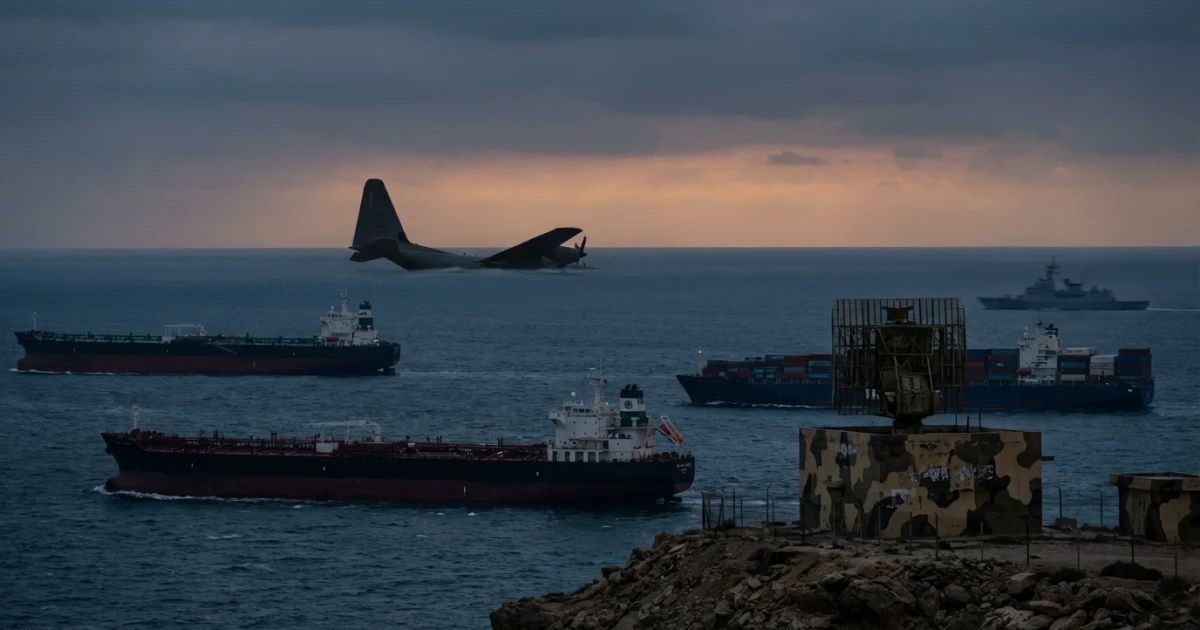
Six U.S. airmen killed in a military plane crash were identified by the Department of Defense as the conflict with Iran entered its third week, amplifying tensions in an already volatile region. At the same time, Iranian officials escalated rhetoric, threatening port facilities in the United Arab Emirates (UAE), and the strategic Strait of Hormuz saw calls for increased international naval protection.
U.S. Military Losses Amid Ongoing Conflict
The Pentagon released the names of six service members who died in the recent military aircraft crash, a somber moment as U.S. operations continue in the Middle East. This incident, reported by NPR, marks one of the deadliest single events for U.S. forces since the conflict began, reflecting the risks faced by personnel during the ongoing hostilities. The deaths contribute to mounting casualty statistics that have drawn national attention and renewed questions about the trajectory of the war.
- Six U.S. airmen lost their lives in the crash, marking a significant loss for the Air Force and their families.
- Day 15 of conflict sees escalating U.S. military activity across the region.
- President Trump has urged allied nations to send warships to help secure the Strait of Hormuz, underscoring the waterway’s strategic importance.
Strait of Hormuz: A Critical Flashpoint
The Strait of Hormuz has once again become a central concern for global energy security and military strategy. According to NPR, President Trump has appealed to the international community for naval support to protect vital maritime routes through the Strait, where a significant portion of the world’s oil shipments transit. The U.S. push for coalition support reflects anxiety about possible disruptions to shipping and fears of further escalation.
Iran Expands Threats to UAE Ports
As military tensions persist, KSAT reported that Iranian officials threatened port facilities in the United Arab Emirates. These threats come as the UAE has allowed U.S. and allied forces to use its ports for logistical and military operations—a move Iran sees as direct support for U.S. actions in the region. Such threats risk expanding the conflict beyond the immediate Iran-U.S. confrontation, potentially jeopardizing commercial shipping and trade in the Gulf.
- Iran’s threats to UAE infrastructure highlight the potential for the conflict to spill over into neighboring countries.
- Regional security analysts warn that escalation could disrupt maritime traffic and global energy supplies.
International Response and Broader Context
The latest developments reflect a rapid deterioration in regional stability since hostilities began. The conflict between Iran and the United States has triggered widespread concerns among Gulf states, global energy markets, and international security organizations. While the U.S. seeks to build a coalition to safeguard shipping lanes, Iran’s threats to the UAE could force additional actors into the fray and complicate diplomatic efforts.
Both NPR and KSAT note that as the war stretches into its third week, the human and economic costs continue to rise, with the potential for further escalation looming. The identification of the fallen airmen serves as a stark reminder of the risks faced by military personnel and the high stakes of the ongoing conflict.
Looking Forward
As the situation develops, U.S. military leaders and allied governments are expected to reassess their strategies in the Gulf. The possibility of Iranian reprisals against UAE infrastructure and the ongoing vulnerability of the Strait of Hormuz will likely remain at the center of regional security discussions. Meanwhile, the families of the six airmen and the broader military community mourn a significant loss amid uncertainty about the path ahead.