US News
U.S. Identifies Troops Lost in Iraq Crash Amid Iran War Efforts
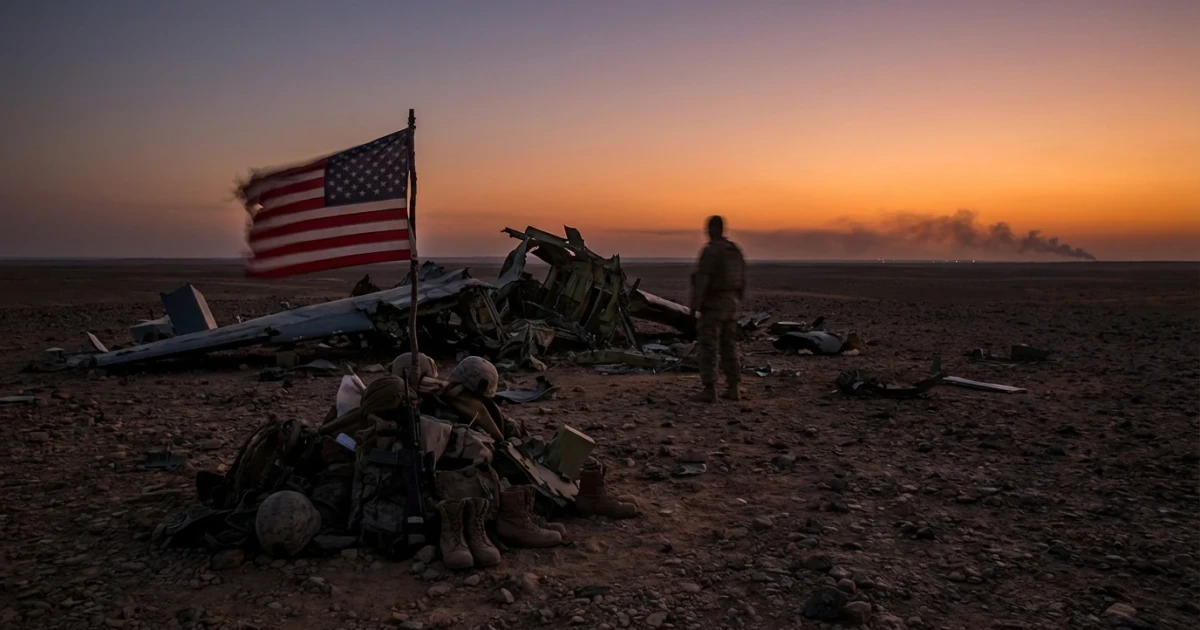
The Pentagon has identified the U.S. service members killed in a recent aircraft crash in Iraq, an incident that occurred as American forces support ongoing military operations connected to the conflict with Iran. The loss comes amid heightened regional tensions and a sustained U.S. military presence in the Middle East.
Details of the Crash and Victims Identified
According to The Washington Post, the U.S. Department of Defense released the names of the service members who died in the aircraft crash in Iraq. The incident occurred while they were providing support for the U.S.-led efforts related to the ongoing war involving Iran. Official statements indicate that the crash is under investigation, with no immediate confirmation as to whether hostile action was involved.
The release of the victims' identities follows standard Department of Defense procedures, as outlined in their news releases. The official casualty status is regularly updated by the Pentagon and can be reviewed in detail at their casualty status page, which tracks U.S. military losses by operation, including those in Iraq.
Context: U.S. Military Presence in Iraq
The crash occurred on Day 15 of the renewed Middle East conflict, as reported by The Washington Post. In recent weeks, the U.S. has increased its operational tempo in the region, supporting coalition efforts and responding to escalating hostilities involving Iran. The Congressional Research Service notes that U.S. troop deployments in Iraq are part of a broader strategic posture in the Middle East, with American forces serving in advisory, support, and combat roles as circumstances dictate.
For those seeking a deeper understanding of the history and evolution of the U.S. military mission in Iraq, the Council on Foreign Relations provides a detailed timeline, including troop levels, major operations, and shifts in mission objectives since the early 2000s.
Aircraft Safety in Military Operations
Military aviation remains essential to U.S. operations in Iraq and the broader region, but it carries inherent risks. According to a U.S. Government Accountability Office report, aircraft mishaps are a persistent concern, with both mechanical failures and hostile action cited as potential causes in conflict zones. The circumstances of the recent crash are still being investigated, and the Pentagon has not yet released further details on the type of aircraft or the cause of the incident.
Broader Geopolitical Developments
The crash comes as the United States continues to coordinate with allies and call for increased international engagement to secure strategic waterways like the Strait of Hormuz. The Washington Post reports that former President Donald Trump, in a recent statement, urged other countries to deploy warships to help ensure safe passage in the region—a move reflecting concerns about the wider impact of the Iran conflict on global energy supplies and security.
Ongoing Risks and Sacrifices
- U.S. forces in Iraq continue to face hazards from hostile action, accidents, and operational risks.
- According to Defense Casualty Analysis System data, thousands of U.S. military personnel have been killed or wounded in Iraq since 2003.
- Recent years have seen a mix of advisory missions and direct combat, reflecting the evolving nature of the U.S. role in the region.
Looking Ahead
As the Pentagon investigates the cause of the crash, the incident serves as a reminder of the dangers faced by U.S. service members operating in volatile environments. Families, colleagues, and the broader military community await further information as officials review the circumstances and consider potential changes to operational safety protocols.
For ongoing updates on U.S. military losses, readers can consult the official Department of Defense casualty status page. For broader analysis of U.S. military presence and operations in the region, resources such as the Congressional Research Service and Council on Foreign Relations offer in-depth context and data.