Health
U.S. Implements Airport Screening After American Ebola Case
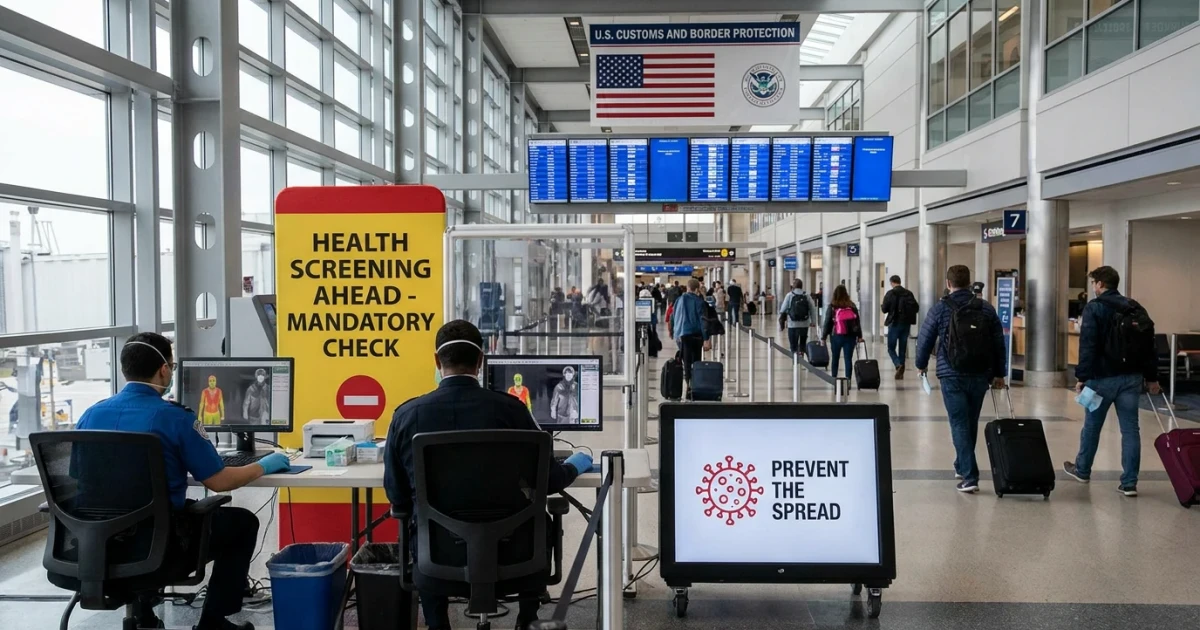
The United States has launched enhanced airport screening measures after an American tested positive for Ebola virus disease, coinciding with an ongoing epidemic in the Democratic Republic of the Congo (DRC) caused by the Bundibugyo virus strain.
Ebola Case Spurs Swift U.S. Response
The Washington Post reported that a U.S. citizen has been diagnosed with Ebola following travel connected to the DRC. The case comes as the DRC faces another outbreak of Ebola virus disease (EVD), specifically attributed to the Bundibugyo virus, one of the several known Ebola virus species.
In response, U.S. federal health officials have announced nationwide airport screening for travelers arriving from regions affected by Ebola. These measures aim to detect illness early and prevent further importation or spread of the virus within the United States.
Understanding the Current Outbreak
Ebola outbreaks have recurred in Central and West Africa, with the DRC frequently affected. According to the Centers for Disease Control and Prevention (CDC) chronology, the Bundibugyo virus was first identified in Uganda in 2007 and later in the DRC. The ongoing epidemic in 2026 marks another in a series of outbreaks linked to this strain, which is known to have a lower fatality rate than the Zaire ebolavirus but still poses serious public health risks.
- Ebola virus disease is a severe, often fatal illness, with case fatality rates ranging widely depending on the outbreak and care available.
- Symptoms typically include fever, fatigue, muscle pain, headache, and sore throat, progressing to vomiting, diarrhea, rash, and in some cases, internal and external bleeding.
- The virus spreads through direct contact with bodily fluids of infected individuals or contaminated materials.
The World Health Organization’s ongoing situation reports on the DRC outbreak provide updates on case counts, deaths, and containment efforts, demonstrating the persistent threat Ebola poses to public health in the region and beyond.
Airport Screening Measures in the United States
The CDC has updated its Ebola screening protocols at U.S. airports in response to the newly identified case. These screenings focus on travelers arriving from the DRC and neighboring countries, with procedures including:
- Temperature checks and health questionnaires
- Assessment for Ebola symptoms and recent exposure
- Referral of symptomatic individuals for medical evaluation and isolation if necessary
The U.S. operates several quarantine stations at major ports of entry to facilitate these efforts. Screening is designed to identify potential cases quickly, provide timely medical care, and reduce the risk of further transmission.
Public Health Implications and Ongoing Vigilance
Health experts emphasize that while Ebola is not airborne, it remains a dangerous disease requiring robust containment measures. The combination of U.S. airport screening and ongoing international collaboration is considered critical to preventing a wider outbreak.
Officials advise travelers to affected regions to monitor their health, seek medical attention if symptoms develop, and follow preventive guidelines. The situation continues to evolve, with health authorities closely monitoring for any additional cases.
Looking Ahead
The recent American Ebola case underscores the need for rapid response and international cooperation in managing infectious disease threats. As the DRC works to contain the Bundibugyo virus outbreak, U.S. agencies and global health organizations remain on alert, reinforcing the importance of travel screening, surveillance, and preparedness.