Business
US imposes 25% tariffs on Brazil over unfair trade practices
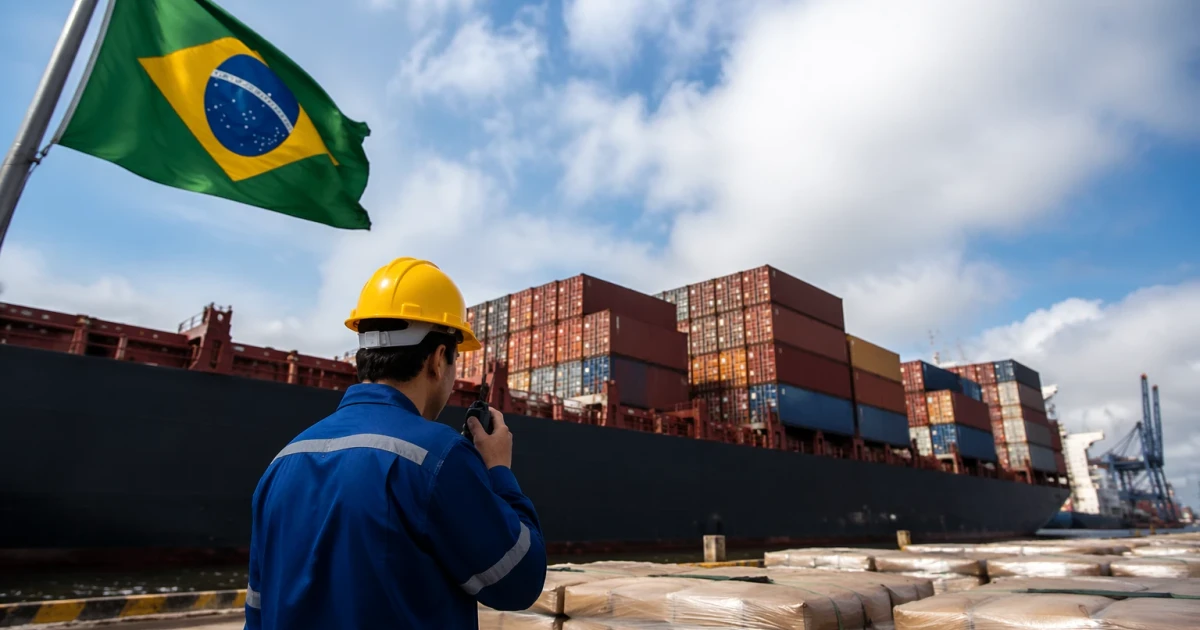
The United States is imposing a 25% tariff on certain goods from Brazil, putting immediate pressure on U.S. importers and manufacturers that rely on Brazilian inputs while sparing major consumer staples such as coffee, beef, oranges and orange juice. The first costs will land with companies that bring in nonexempt Brazilian products, then ripple through supply chains if those firms raise prices to protect margins.
The tariff takes effect on July 22, 2026, after a yearlong Section 301 investigation launched on July 15, 2025, at President Donald Trump’s direction. The U.S. Trade Representative found Brazil’s policies in digital trade and electronic payment services, unfair preferential tariffs, anti-corruption enforcement, intellectual property protection, ethanol market access and illegal deforestation to be unreasonable and to burden or restrict U.S. commerce.
The case went through two public hearings and drew more than 360 public comments before the action was finalized. Jamieson Greer, the U.S. trade representative, said the administration remained open to continued negotiations, but said the issues had not been resolved.
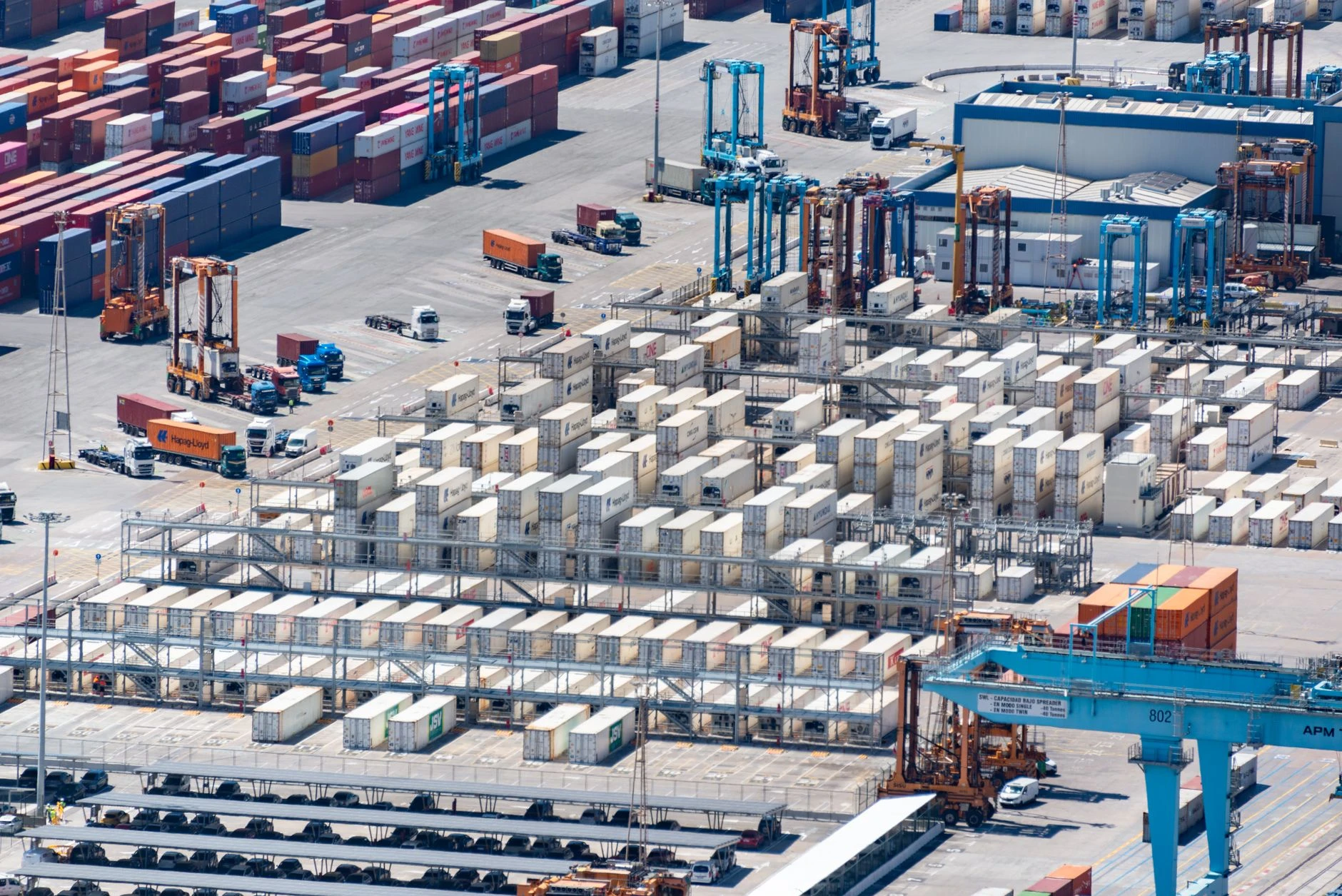
Coffee, beef and orange juice are among the Brazilian products that will not face the new duty, along with some oil and gas energy products and aerospace parts and components. That leaves a broader set of industrial and manufactured goods exposed to the tariff, and the burden will fall first on importers and companies that use Brazilian supply lines, then on shoppers if higher costs are passed through.
The United States has had a goods trade surplus with Brazil for years. Brazil’s market has more than 210 million consumers.
Brazilian President Luiz Inácio Lula da Silva called the tariffs unjustified and politically motivated when they were first proposed in June. Senator Flávio Bolsonaro planned to travel to Washington, D.C., for a hearing on July 6 and July 7 to seek a delay until after Brazil’s October election. The administration is using Section 301 of the Trade Act of 1974 after a February 2026 Supreme Court ruling struck down many Trump tariffs imposed under a different statute.
Sources
- [1]cbsnews.com
- [2]ustr.gov
- [3]usnews.com
- [4]reuters.com