Business
U.S. imposes new forced-labor tariffs on imports from 60 trading partners

The Trump administration replaced its temporary global 10% tariff with new forced-labor duties on imports from 60 trading partners, moving to keep the tariff wall in place as the old levy expired at midnight. The new rates, set at 10% or 12.5% under Section 301 forced-labor investigations, added another layer of pressure on U.S. importers handling goods from Europe, Asia and other major trade corridors.
The policy rests on a legal argument as much as a political one. Section 307 of the Tariff Act bars imports produced with forced labor, and the administration said its investigations found that failures to prohibit and effectively enforce such bans were unreasonable and restricted U.S. commerce.
The first economic hit falls on U.S. importers, who pay the duty at the border before deciding whether to absorb the cost or pass it through. That choice matters for shelves and supply chains because price increases can move quickly from wholesalers to retailers, especially in labor-intensive categories such as textiles and apparel, where industry groups have already proposed tariff credits to offset expected duties. Earlier forced-labor enforcement has also put a spotlight on solar panels, aluminum, PVC and seafood, showing how far the issue can reach into manufacturing and consumer goods.
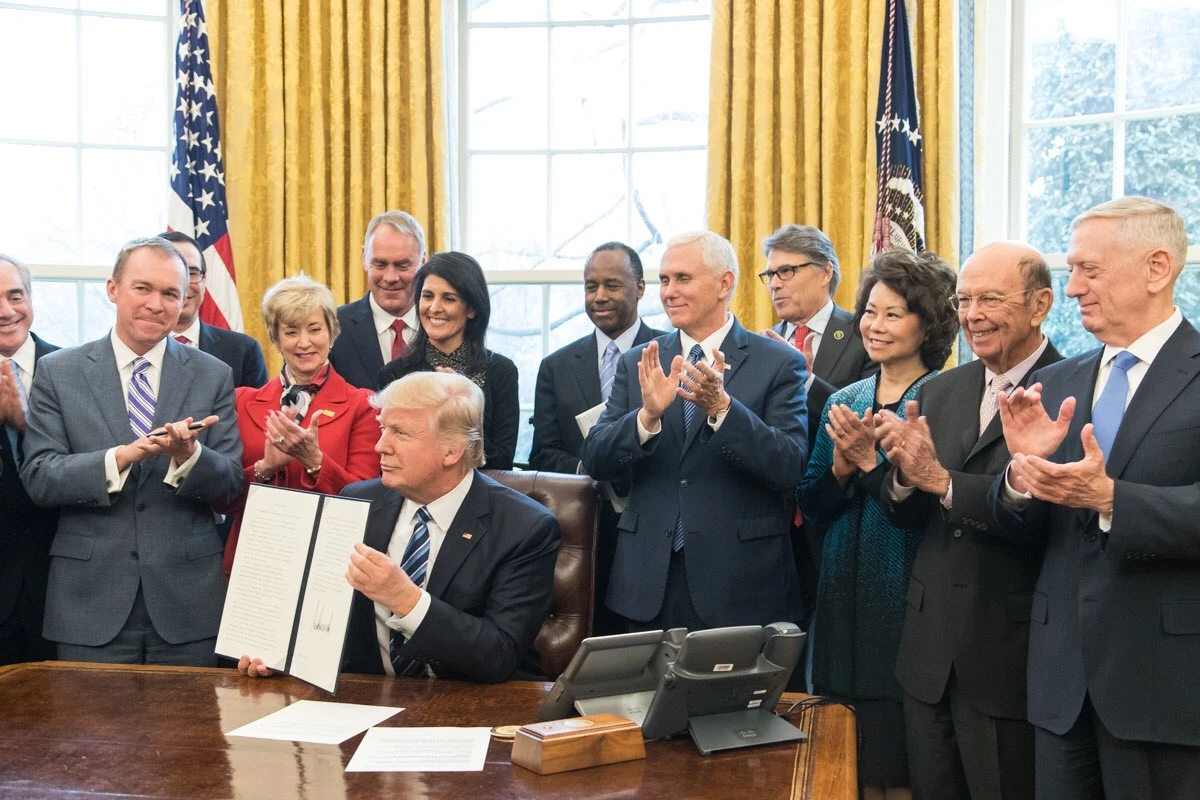
The move also extends Donald Trump’s broader tariff campaign beyond the reciprocal duties he announced on April 2, 2025, when he imposed tariffs on imports from about 90 nations. The White House kept adjusting those rates in July 2025, often around a 10% baseline, and the broader rollout has reached more than 80 nations in total. By tying the latest duties to forced-labor findings, the administration gave its tariff regime a new rationale, one critics say can function as a stealth tariff even as it claims to target goods linked to forced labor.
Sources
- [1]nytimes.com
- [2]reuters.com
- [3]cbsnews.com
- [4]ustr.gov
- [5]whitehouse.gov
- [6]cfr.org
- [7]csis.org
- [8]taxfoundation.org