Technology
U.S. in advanced talks with AI firms on model release standards
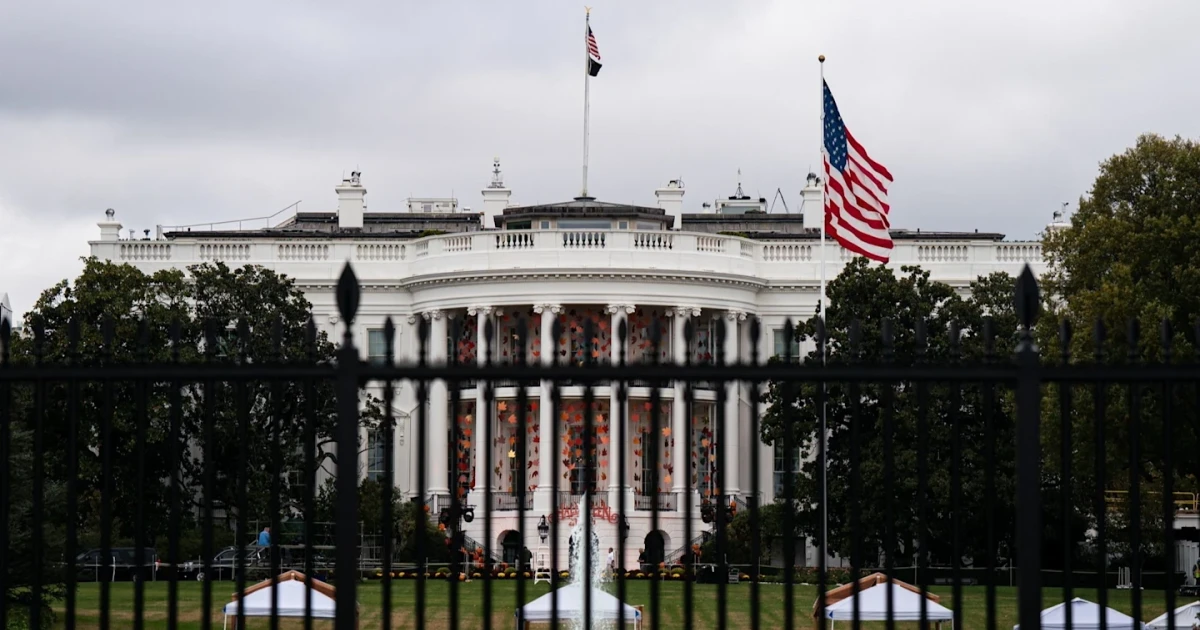
The Trump administration is in advanced talks with leading AI companies on voluntary standards for releasing new models, a push that could set benchmarks, timelines and access rules for the United States and abroad. The effort lands as Washington tightens its focus on frontier systems that could be misused by military intelligence services in China, Russia or other countries of concern.
The policy shift grew out of a June 2 executive order, Promoting Advanced Artificial Intelligence Innovation and Security, which directed agencies to work with the private sector on AI security. The White House said the order creates a voluntary framework for covered frontier models and secure early access for trusted partners, while a companion fact sheet said it calls for a classified benchmarking process so industry can assess advanced AI cyber capabilities. The same material said the order is not meant to create a mandatory licensing, pre-clearance or permitting regime.
That voluntary approach is already taking shape inside the Commerce Department. In May, the Center for AI Standards and Innovation, part of the National Institute of Standards and Technology, was reported to have agreements with Google DeepMind, Microsoft and xAI that would let the agency vet models before public release. CAISI said it would conduct pre-deployment evaluations and targeted research to assess frontier AI capabilities, building a testing structure that can be expanded into wider release standards if the government and industry settle on common rules.
The immediate stakes sharpened over the past week as the Commerce Department lifted export controls on Anthropic’s most advanced Fable and Mythos models after less than three weeks. The administration had also partially rescinded its ban on Anthropic’s most advanced model on June 26, a move that eased confusion across the industry. OpenAI, meanwhile, delayed a full public launch of GPT-5.6 at the government’s request and limited access to vetted partners.
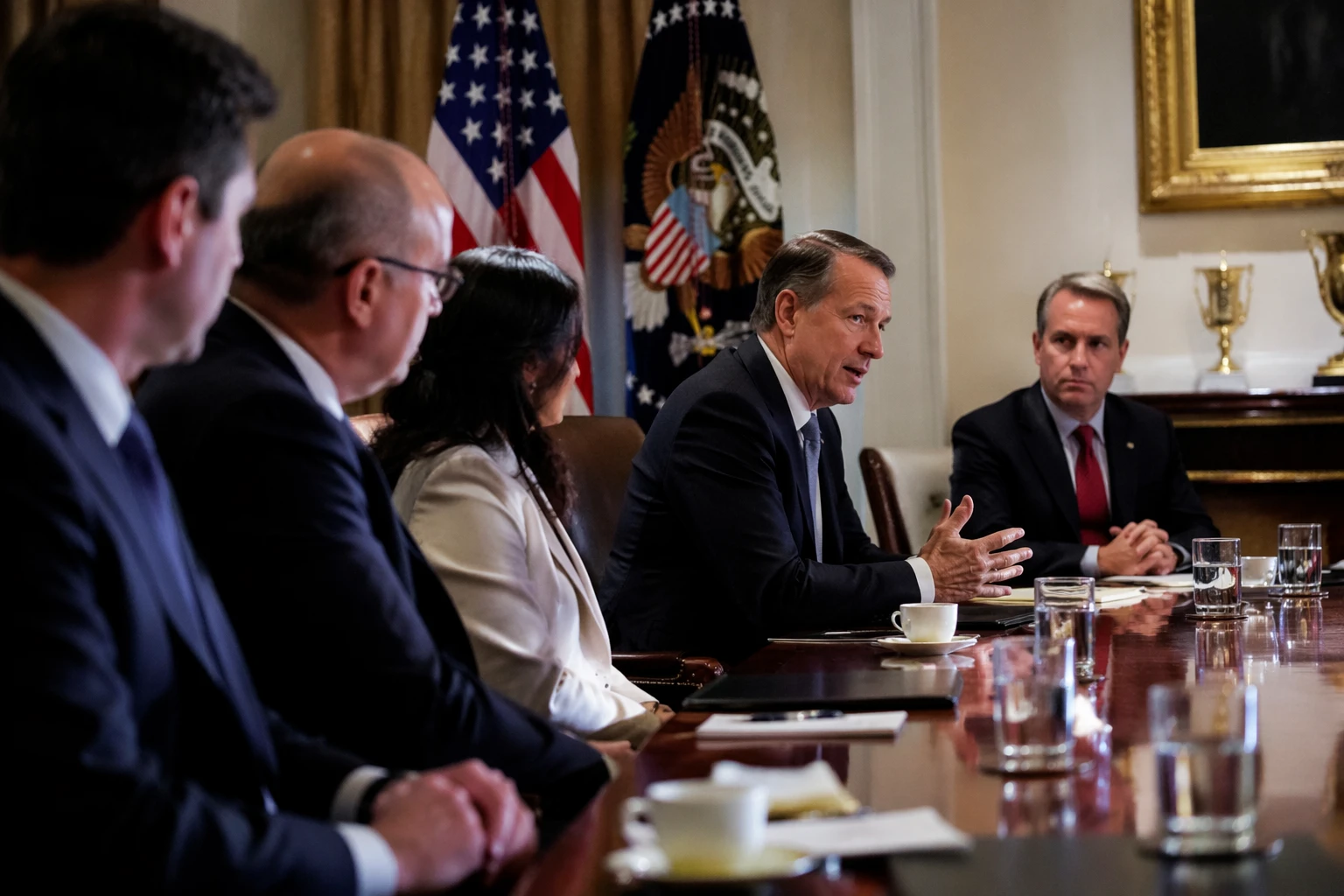
Google has also been in discussions with the government ahead of its advanced coding models, underscoring that the talks are not confined to one company or one product line. The broader debate now centers on whether voluntary guardrails can do real work before the market hardens around a few dominant frontier labs, or whether the standards will need clear testing requirements, release thresholds, disclosure rules and consequences for firms that ignore them.
The White House says the framework is meant to strengthen cybersecurity, protect critical infrastructure and keep the United States ahead in AI. With agencies operating on a compressed timetable from the June 2 order, the next decisions could determine whether voluntary oversight becomes a credible gatekeeping system or another short-lived tech industry promise.
Sources
- [1]money.usnews.com
- [2]whitehouse.gov
- [3]wqxc.com
- [4]cio.com
- [5]politico.com