US News
US Increases Global Tariff to 15% Amid Policy Shift
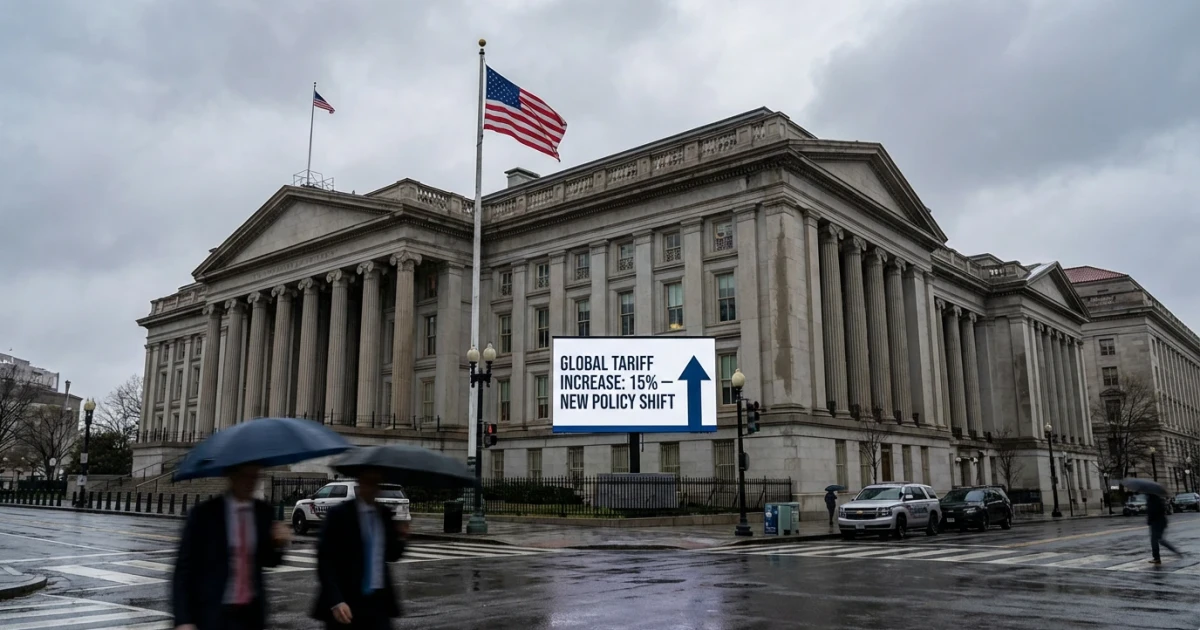
The United States has announced a significant change to its trade policy, raising its 'global' tariff rate to 15% and confirming it will stop collecting duties previously deemed illegal. The move, reported by Yahoo Finance, signals a new direction for US trade relations and could impact the flow of goods between the US and its global trading partners.
Key Changes to Tariff Policy
- Global tariff rate set at 15%: The increase applies to a wide range of imports, raising the baseline duty on goods entering the US from most countries.
- Suspension of illegal duties: The US government will halt the collection of tariffs that have been found unlawful in previous trade commission or international rulings.
While the announcement from Yahoo Finance provides few details on specific industries or goods affected, the decision follows ongoing debates about the effectiveness and legality of certain US tariffs enacted in recent years.
Implications for Trade and Consumers
Economists and trade analysts are assessing how this tariff hike could affect US imports, consumer prices, and relationships with key trading partners. Raising the global tariff rate to 15% is expected to:
- Increase the cost of imported goods, potentially impacting retail prices and supply chains.
- Lead to possible retaliatory measures from other countries, given the broad scope of the policy.
- Shift the trade balance, as higher tariffs typically discourage imports and encourage domestic sourcing.
At the same time, the US decision to stop collecting duties previously declared illegal may address long-standing concerns from trade partners and international organizations, such as the WTO.
Legal and International Context
The Trump administration’s earlier tariff actions, including those imposed under Section 301, have faced legal challenges both within the US and in international forums. By ending collection of unlawful duties, the US may be aiming to resolve disputes and comply with prior rulings.
Historically, the US has used tariffs to protect domestic industries and respond to what it views as unfair trade practices. However, legal setbacks in both domestic courts and the WTO have forced US policymakers to reconsider some aspects of their tariff strategy.
Looking Ahead
The long-term impact of the new 15% tariff remains uncertain. Analysts will be watching closely for responses from major trading partners, shifts in trade flows, and any additional policy clarifications from the US government.
This policy shift highlights the ongoing complexity of US trade relations and the balance between protecting domestic interests and adhering to global trade rules. As more details emerge, businesses, consumers, and policymakers worldwide will be adjusting to the new landscape.