Business
US inflation hits 4.2%, energy costs surge amid Iran war
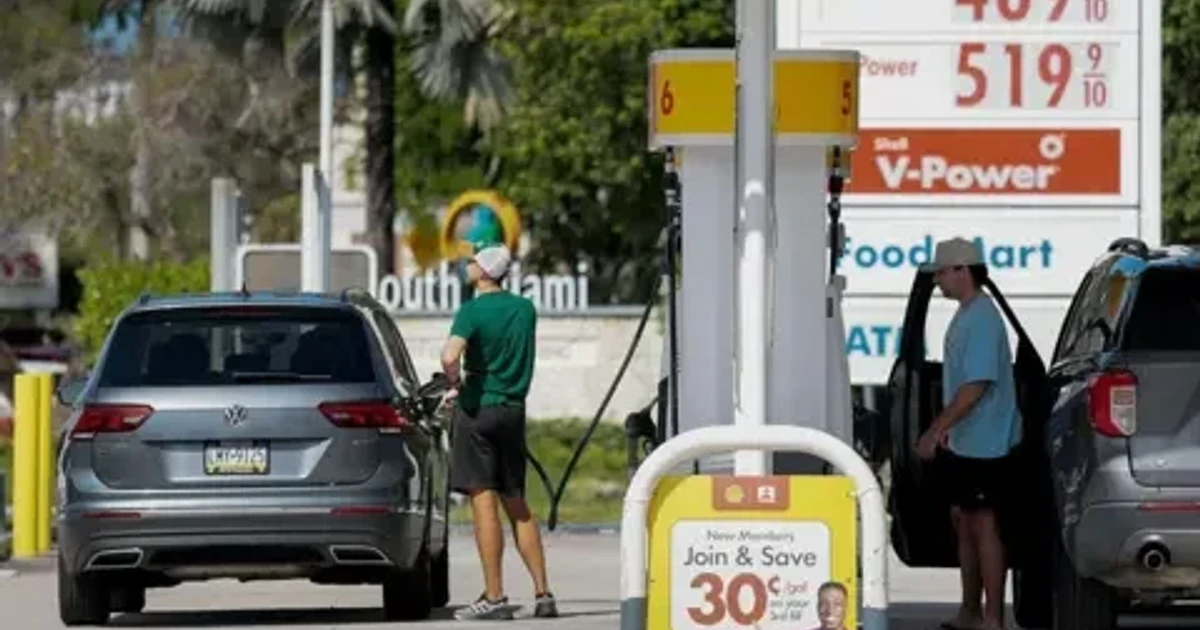
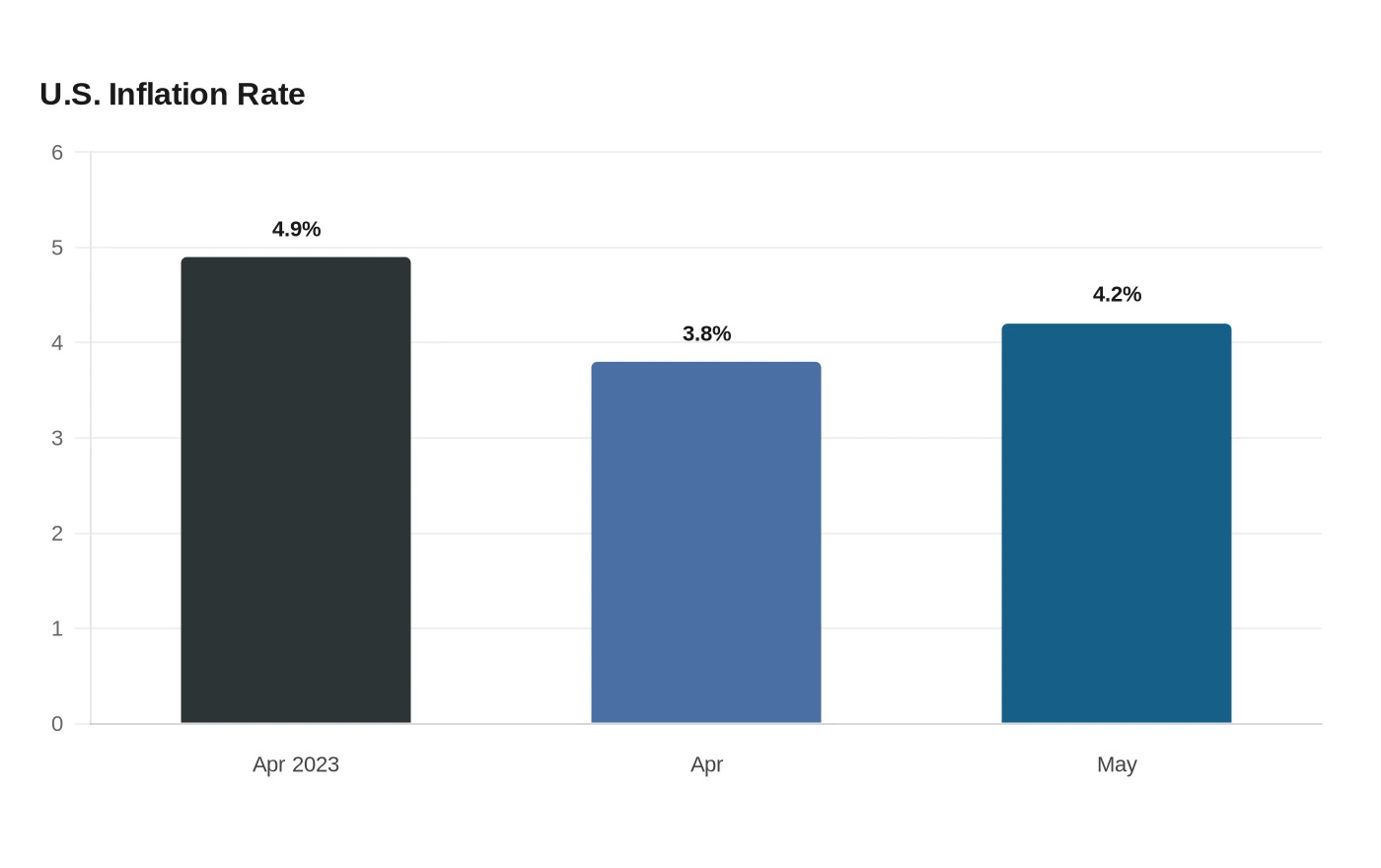
American households are feeling the war in Iran first at the pump and then in the rest of the monthly budget. U.S. consumer prices rose 4.2% in May from a year earlier, the fastest annual inflation reading in three years, as energy shocks fed through gasoline, airfares and other essentials. The gain was up from 3.8% in April and marked the highest inflation rate since April 2023, when prices were rising 4.9% annually.
The sharpest pressure came from fuel. Gasoline prices jumped 40.5% from a year earlier, and energy accounted for more than 60% of the monthly increase in the Consumer Price Index. That pattern matters because it shows how quickly a geopolitical shock can spread from oil markets into household expenses, with the conflict disrupting global supply chains and pushing up the cost of travel and transportation. Airfares have also climbed, adding to the strain for families already facing higher grocery and utility bills.
The latest reading matched economists’ expectations, but it did little to ease the broader concern that inflation has re-accelerated after a year of cooling. Core inflation, which strips out food and energy, was expected to rise to 2.9%. The University of Michigan’s consumer survey showed year-ahead inflation expectations rising to 4.8% in May from 4.7% in April, while long-run expectations climbed to 3.9% from 3.5%. The biggest increases in those longer-term expectations came from independents and Republicans, a sign that the energy shock is altering sentiment well beyond the gas station.
The new inflation burst also intensifies pressure on the Federal Reserve as it heads into its June 16-17 meeting. Nearly 70% of economists polled expected the Fed’s key rate to stay in the 3.50% to 3.75% range for the rest of 2026, and none expected a cut at this month’s meeting. Earlier warnings from the Organization for Economic Cooperation and Development and other economists had already suggested that war-driven energy shocks could keep U.S. inflation around 4.2% this year. For now, the data point to a simple reality: when energy spikes, the cost lands quickly on household budgets and stays there long enough to shape wages, rates and spending plans.
Sources
- [1]bbc.com
- [2]insight.factset.com
- [3]usnews.com
- [4]sca.isr.umich.edu
- [5]cnbc.com
- [6]cbsnews.com