Business
US inflation hits three-year high as Iran war drives energy costs
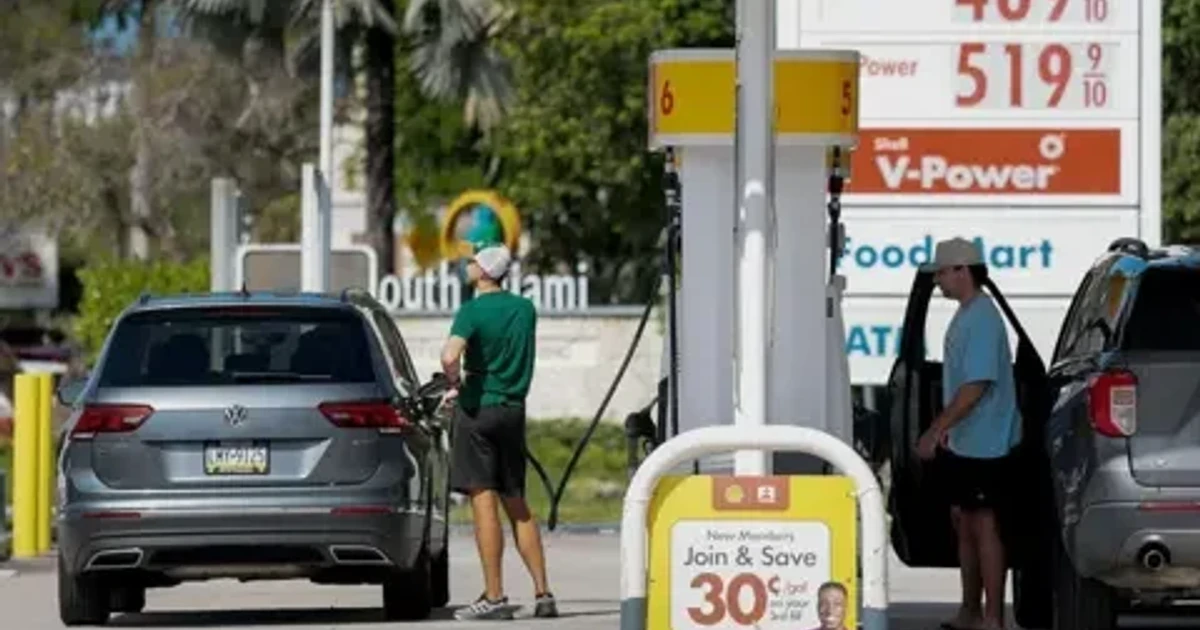
American households are getting squeezed from multiple directions as gasoline, utility bills and borrowing costs rise together. The Consumer Price Index for All Urban Consumers climbed 0.5% in May and was up 4.2% from a year earlier, the fastest annual pace in three years, while energy prices jumped 3.9% and accounted for more than 60% of the monthly increase.
The latest inflation reading shows how the war involving Iran is filtering into everyday prices in the United States. Higher oil and gasoline costs have fed directly into the headline index, and the core CPI, which strips out food and energy, still rose 2.9% over the year, leaving the Federal Reserve with less room to argue that inflation is fully contained. That matters for families already facing higher grocery and transport bills, and for borrowers who have spent more than a year living with elevated interest rates.
President Donald Trump tried to play down the number after being asked about the report, saying, "I love the inflation." He also said prices would come down once the Iran war ends, making the conflict a political flashpoint as Republicans head toward the midterm elections. The comment underscored a broader dilemma for the administration: the same energy shock that is lifting costs for consumers is also becoming a test of whether Trump can keep his promise of lower prices.
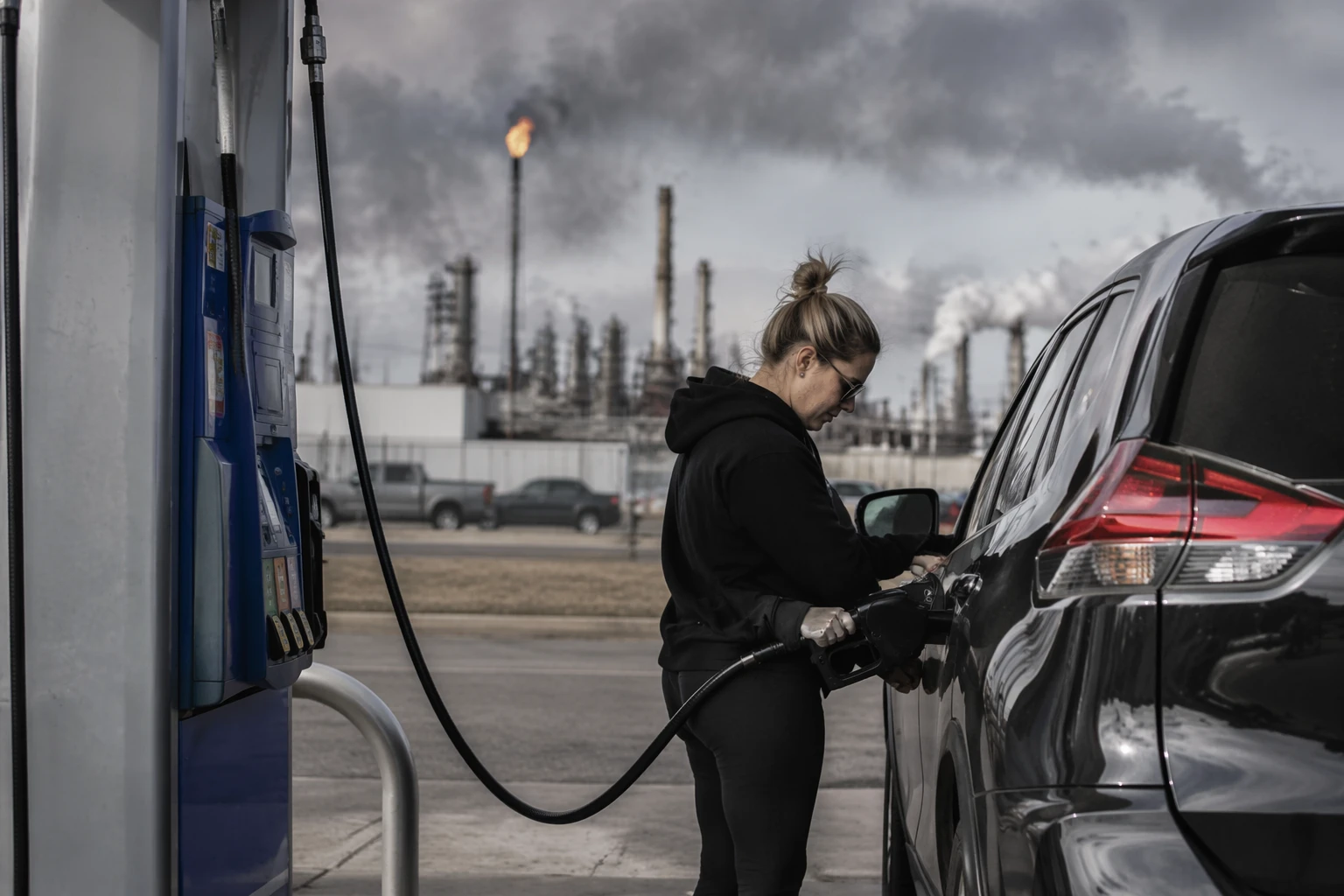
The pressure is especially visible at the pump, where higher gasoline prices have helped drive the latest surge in the cost of living. The broader impact goes beyond fuel alone, because energy feeds into transportation, manufacturing and distribution costs across the economy. Some analysts say the oil shock could take time to unwind even if the fighting stops, with normal flow through the Strait of Hormuz potentially not restored until 2027.

For the Federal Reserve, the mix is awkward. Headline inflation has accelerated for a third straight month, but core prices are still running above the central bank’s target, making near-term rate cuts harder to justify. If the conflict keeps energy markets tight, the inflation story in 2026 could remain less about one month’s data and more about how long households are forced to absorb the ripple effects of war.
Sources
- [1]bbc.com
- [2]bls.gov
- [3]cnbc.com
- [4]reuters.com
- [5]nytimes.com
- [6]apnews.com