Business
U.S. inflation likely accelerated in May as energy costs rose

Higher gasoline bills are set to ripple through commuting, summer travel and family budgets as the government prepares to release May consumer prices at 8:30 a.m. Eastern. Energy costs rose after the Middle East conflict lifted oil and gasoline prices, adding pressure to a monthly inflation report that could show prices still running hot.
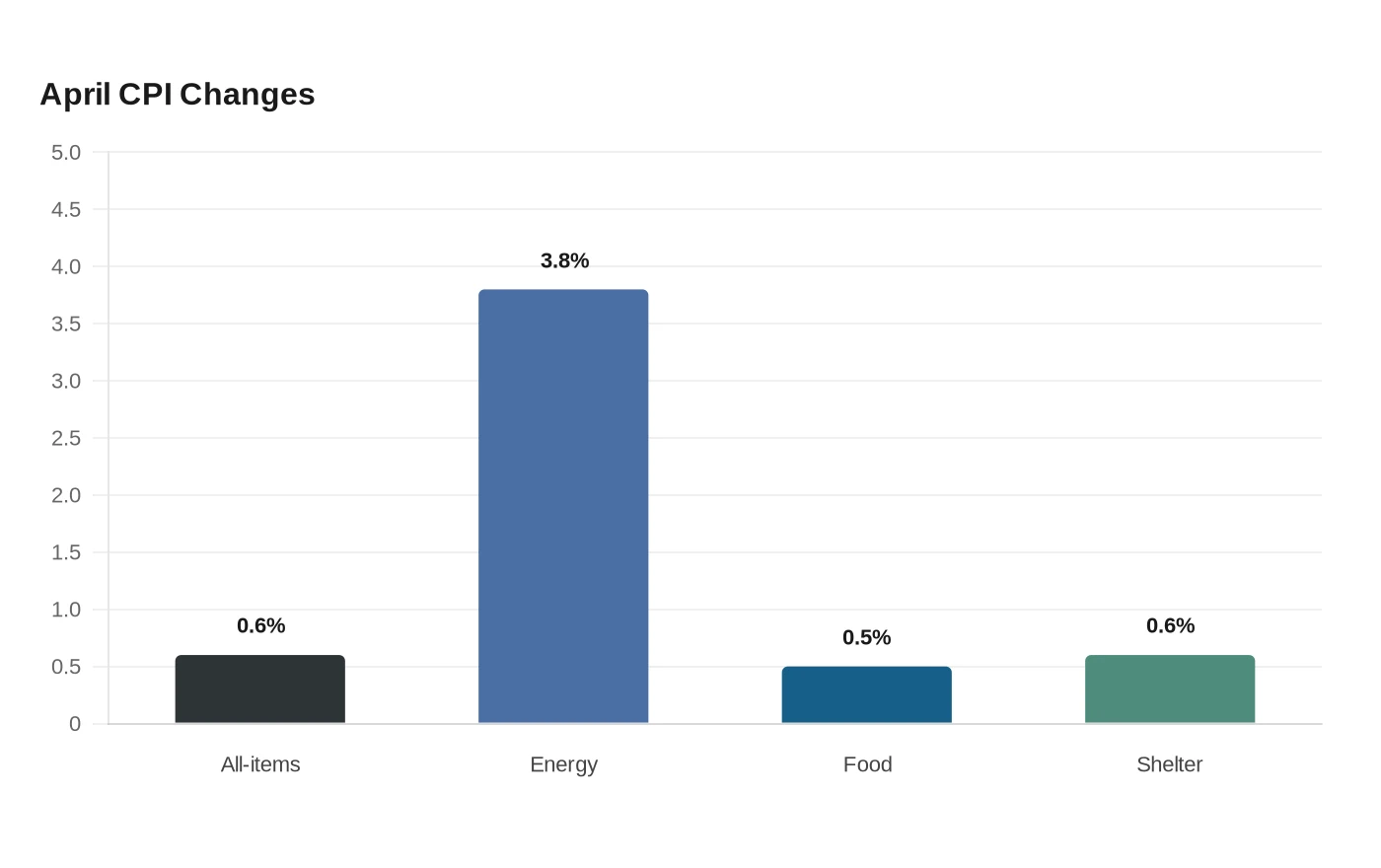
Economists expected headline consumer inflation to rise about 4.2% from a year earlier, up from 3.8% in April and the fastest pace since April 2023. Core inflation, which strips out food and energy, was seen at about 2.9%, suggesting the energy shock was not staying confined to the pump. April’s report showed how strong the pressure already was: prices rose 0.6% from the prior month, the energy index climbed 3.8%, and energy accounted for more than 40% of the monthly increase in the all-items index.
That matters because higher fuel costs do not stop with drivers. They raise shipping expenses, work their way into grocery prices and leave households with less room to absorb rent, insurance and other necessities. Inflation is also likely to outpace wage growth for a second straight month, a combination that can force consumers to lean more heavily on savings and eventually slow broader economic growth. April’s data already pointed to a wider squeeze, with food prices up 0.5% and shelter up 0.6%.
For the Federal Reserve, another sticky inflation reading would make it harder to argue for lower borrowing costs this year. In a poll conducted June 4-9, 72 of 102 economists said the federal funds rate would stay in the 3.50% to 3.75% range through the end of 2026, and none expected a cut at the June 16-17 meeting. With the Fed’s long-run inflation goal still at 2%, even an energy-driven jump leaves price growth well above target and supports a longer stretch of restrictive policy.
The politics are just as sensitive. Rising living costs remain a liability for Donald Trump and Republicans, since Trump won the 2024 election in part on a promise to lower inflation and has since faced growing frustration over his handling of the economy. If energy prices keep feeding headline inflation, the debate will reach beyond one monthly reading and into the larger fight over household confidence, monetary policy and the outlook heading toward the midterms.
Sources
- [1]money.usnews.com
- [2]bls.gov
- [3]cnbc.com