Politics
U.S. intensifies strikes on Iran amid Hormuz Strait standoff
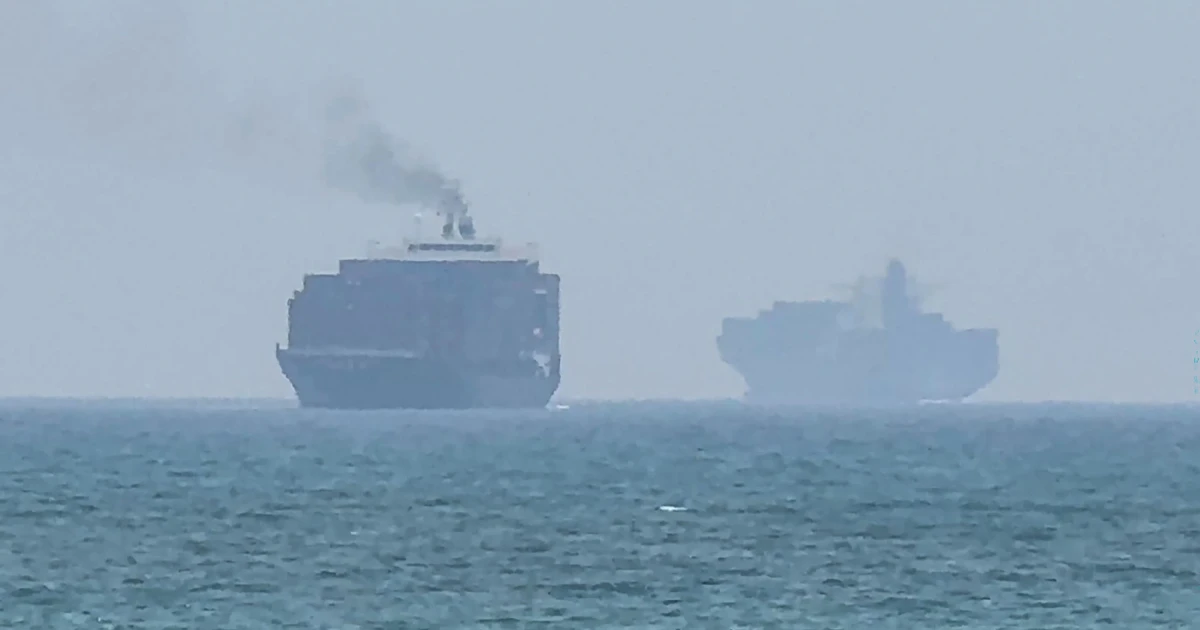
The United States hit Iran with heavy airstrikes for a fourth night in a row as Donald Trump briefly said Washington would "probably run" the Strait of Hormuz and become its "guardian" before reversing course. The abrupt turn came in the middle of a fast-moving standoff over a waterway that typically carries about one-fifth of global oil production.
Trump’s idea quickly ran into the realities of policing the strait. A real American role would require sustained naval presence in the Persian Gulf, escort missions for commercial shipping, rules for stopping or inspecting vessels, and a clear legal basis for controlling traffic through one of the world’s most sensitive chokepoints. Trump also floated a 20% charge on cargo moving through the strait. By the next day, the U.S. military was preparing to resume a blockade beginning Tuesday, but how that would function in practice remained unclear.
Iran answered that it would not allow the United States to interfere in the strait’s management. Iranian Foreign Minister Abbas Araghchi said Iran had "always been the guardian of the strait," while Iranian military officials said they would not permit U.S. interference. The confrontation sharpened after U.S. Central Command struck an Iranian submarine and a ship-maintenance facility overnight in response to Iranian targeting of commercial vessels. Ship-tracking data from MarineTraffic showed traffic through the waterway stayed restricted, with only a small number of ships moving.
The White House wants free and safe navigation in the Strait of Hormuz promptly resumed through implementation of a memorandum, even as earlier White House messaging in 2026 said Iran had agreed to a ceasefire and reopening of the strait after U.S. operations.
Sources
- [1]cbsnews.com
- [2]al-monitor.com
- [3]time.com
- [4]whitehouse.gov
- [5]aljazeera.com