World
U.S. intercepts Iranian missiles in surprise Middle East attack
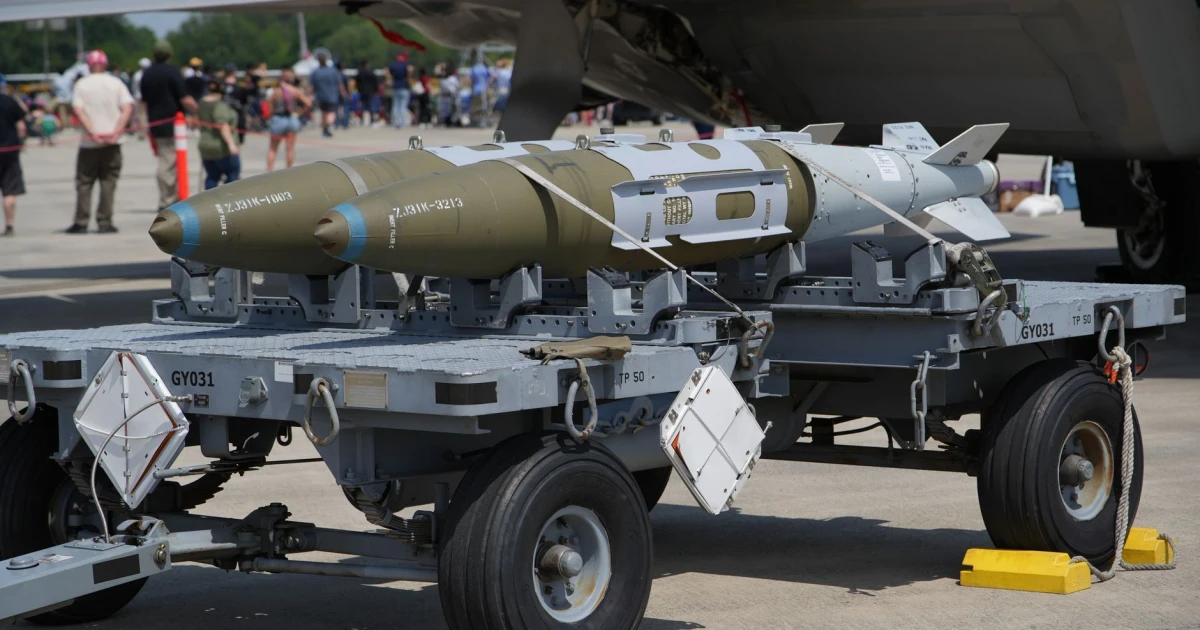
U.S. forces intercepted multiple Iranian ballistic missiles launched toward American personnel in the Middle East, and U.S. Central Command said every missile was stopped before impact. CENTCOM described the strike as an attempted surprise attack by Islamic Revolutionary Guard Corps forces fired from Iran, making the threat immediate and credible because the missiles were already in flight.
CENTCOM did not publicly identify the exact target, but some reports said the missiles were intercepted over Jordan. One report placed the launch at about 5:45 p.m. ET on July 28, 2026, a sign that regional air defenses were activated fast enough to blunt the assault before it reached its intended destination. The attack also marked the first publicly disclosed strike on U.S. service members in the region since President Donald Trump ordered a halt on attacks against Iran the previous week.
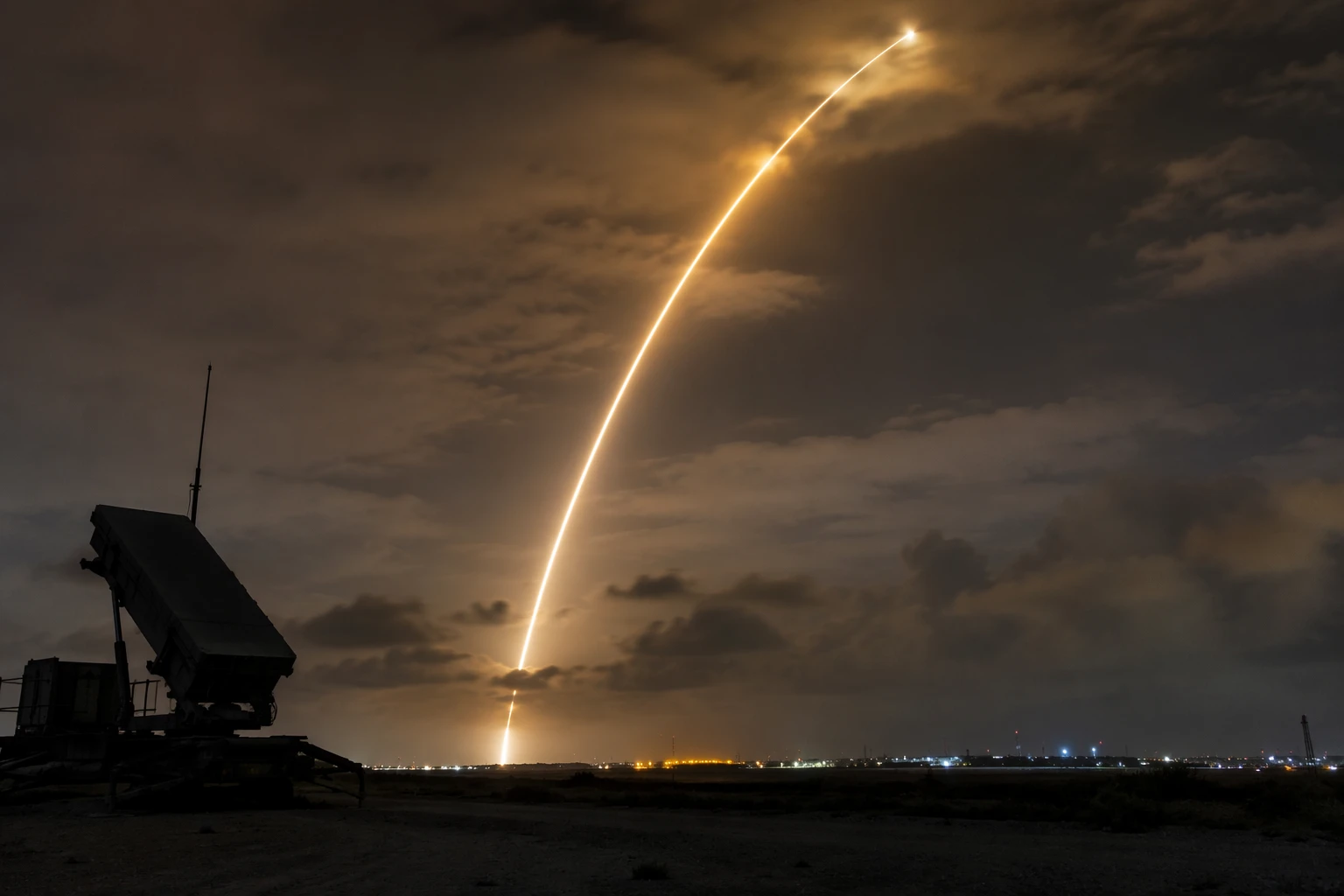
For American troops, the interception prevented casualties and damage, but it also showed that Iran still had the ability to put U.S. forces under direct missile threat even after a recent lull in fighting. The risk extended to regional allies as well, especially those helping to detect, track, and intercept incoming missiles across Middle Eastern airspace. CENTCOM said U.S. forces remained vigilant, and the launch kept bases and air defenses on a higher alert posture.
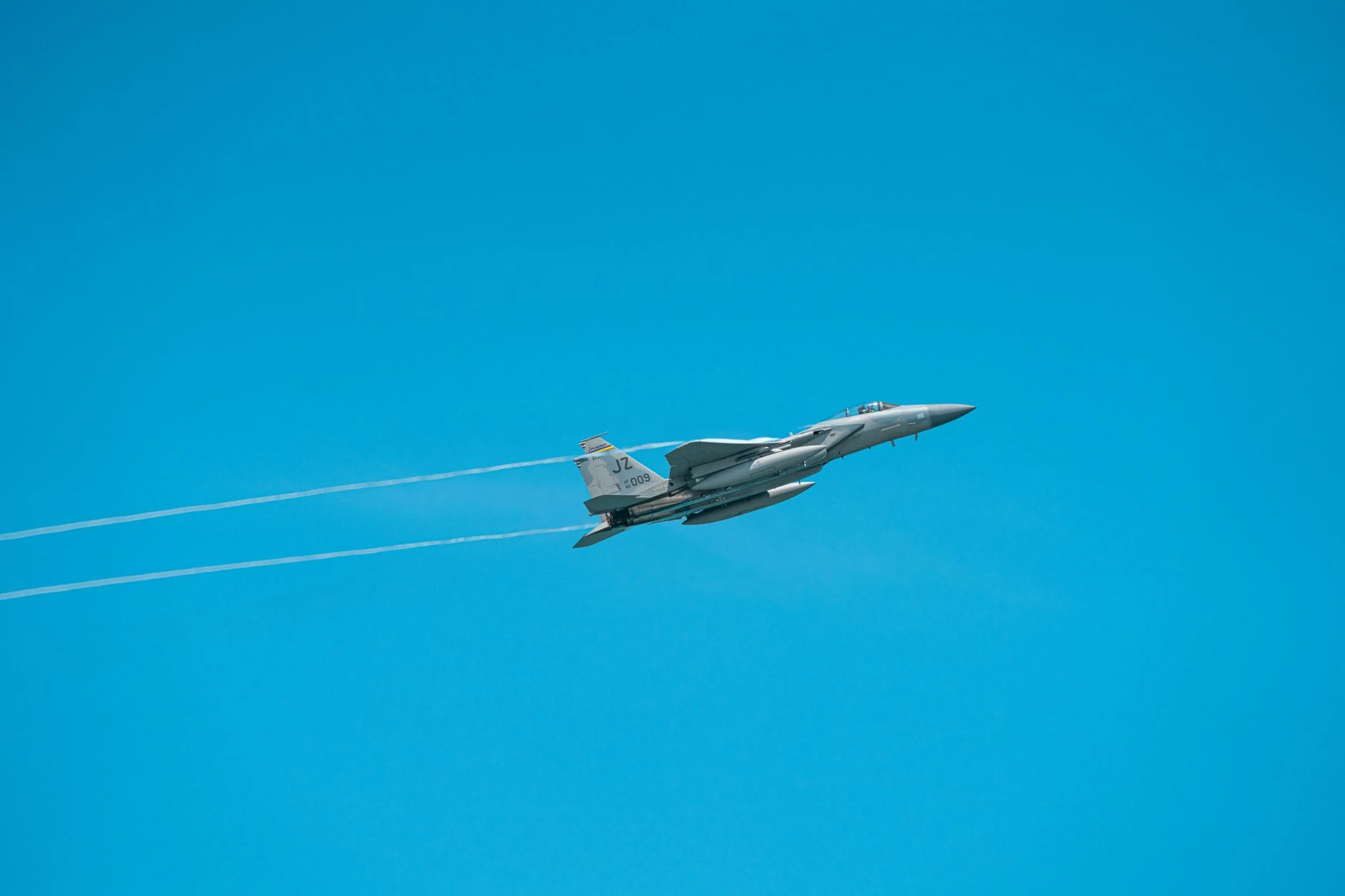
The broader context points to an escalation-control test rather than a one-off exchange. A June 10, 2025 CENTCOM posture statement said Iran had operationalized its proxy network and standoff capabilities after Hamas’s October 7, 2023 attack on Israel, underscoring how the confrontation had widened over time. CENTCOM had also previously said it defeated missiles and drones launched by Iran in earlier attacks, and Reuters said Iran’s October 1, 2024 strike on Israel was a major escalation.
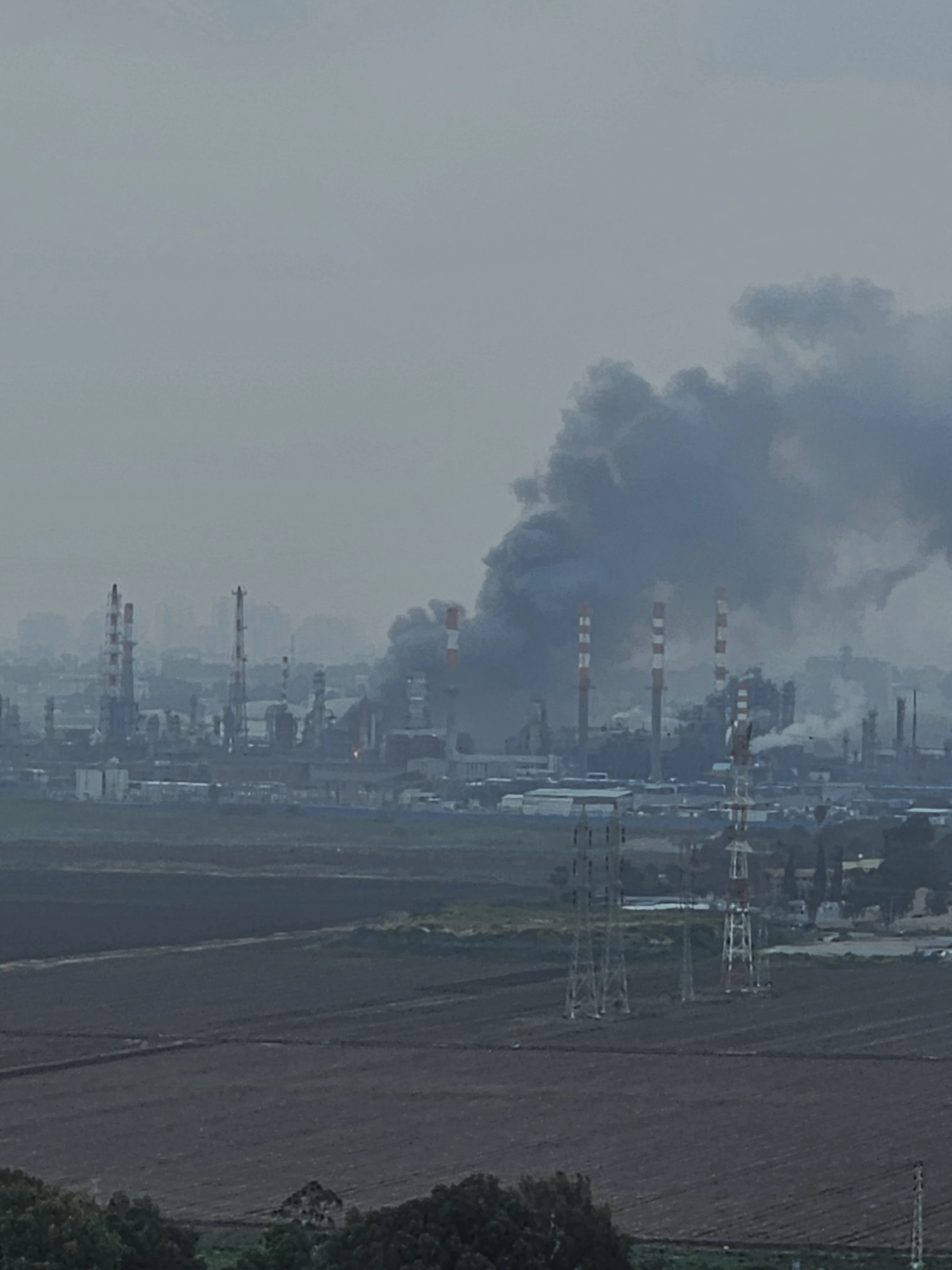
The latest missile launch came as U.S. strikes against Iran and militia targets in Iraq were also reported in the region, leaving the next 48 hours especially delicate. The immediate attack on U.S. forces was thwarted, but the exchange increased the chance of further retaliation as both sides weighed whether to escalate again or pause before the situation spread further.
Sources
- [1]cbsnews.com
- [2]usatoday.com
- [3]thehill.com
- [4]washingtonpost.com
- [5]centcom.mil
- [6]armedservices.house.gov
- [7]reuters.com
- [8]cnn.com