World
U.S., Iran agree on Strait of Hormuz security, Lebanon peace roadmap
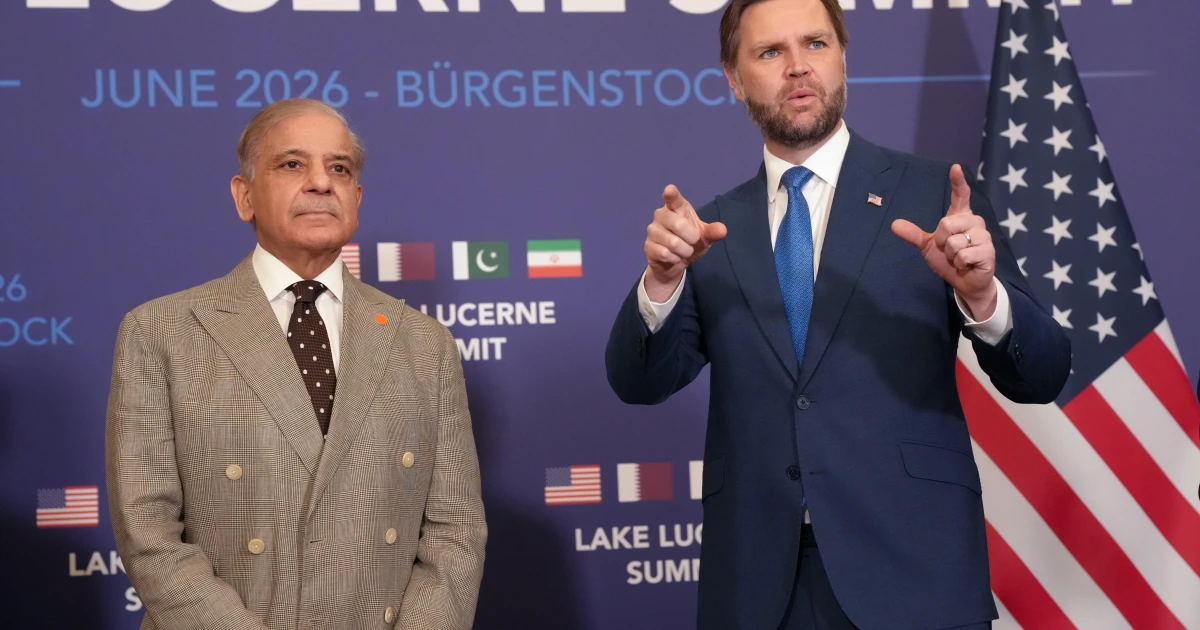
Washington and Tehran left Switzerland with the first concrete steps of this round of diplomacy focused on avoiding immediate flashpoints: keeping shipping moving through the Strait of Hormuz and reducing the risk of another flare-up in Lebanon. Mediators from Qatar and Pakistan said the sides made “encouraging progress,” even as the broader dispute between the two governments remained unresolved.
The talks began at the Bürgenstock resort overlooking Lake Lucerne and wrapped up early Monday after a lengthy initial round. They were led by U.S. Vice President JD Vance and Iran’s chief negotiator, Mohammad Bagher Ghalibaf, with the Swiss government hosting the discussions and Qatari and Pakistani mediators in the room.
The practical outcome was a roadmap toward a final deal within 60 days, along with technical talks expected to continue this week. Mediators said a communication line is being set up to help prevent incidents in the Strait of Hormuz, one of the world’s most sensitive energy chokepoints. They also said a de-confliction mechanism, or cell, was created to handle the Lebanon file, where fighting has kept pressure high across the region.
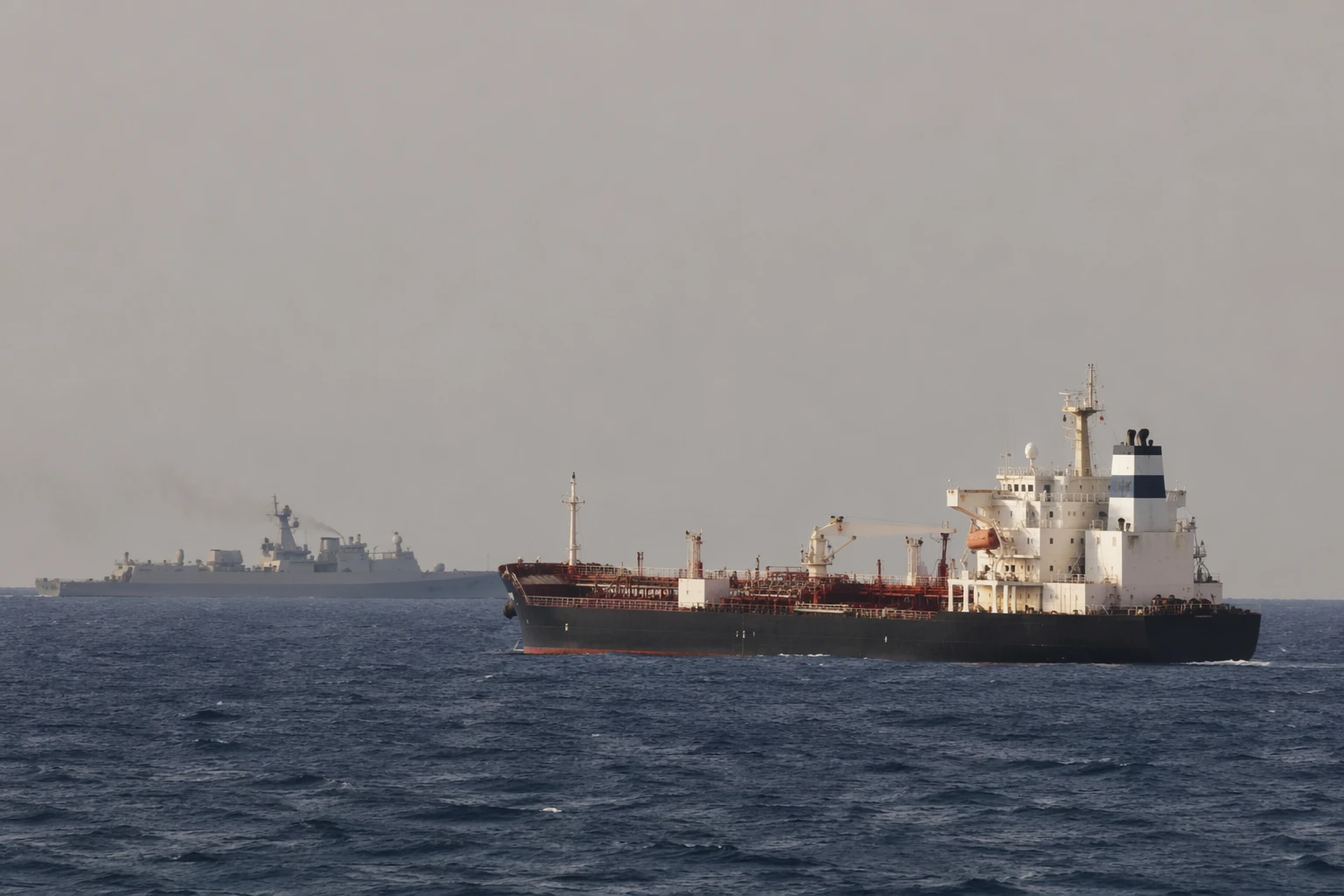
Pakistan’s Prime Minister Shehbaz Sharif said the talks concluded successfully and described the atmosphere as positive and constructive. Iran’s foreign minister, Abbas Araghchi, said the discussions produced major progress on ending the conflict in Lebanon. The language from both sides suggested movement, but the deal structure pointed to narrow, operational safeguards first, not a comprehensive thaw.
That sequencing matters. Safe passage in the Strait of Hormuz can lower the risk of disruptions to oil and gas flows that would reverberate far beyond the Gulf. A working mechanism on Lebanon could help reduce the chance that tensions there spill into a wider confrontation while negotiators keep working on the harder questions.

The talks followed an earlier postponement and came after last week’s preliminary understanding that set a two-month negotiating window. For now, the significance lies less in any grand diplomatic breakthrough than in whether these early mechanisms can hold: a communication channel at sea, a de-confliction cell on land, and enough restraint to keep the wider U.S.-Iran dispute from breaking into open crisis.
Sources
- [1]cbsnews.com
- [2]bbc.com
- [3]apnews.com
- [4]aljazeera.com
- [5]reuters.com
- [6]al-monitor.com
- [7]gpb.org