World
U.S.-Iran air attacks raise fears of wider Gulf war
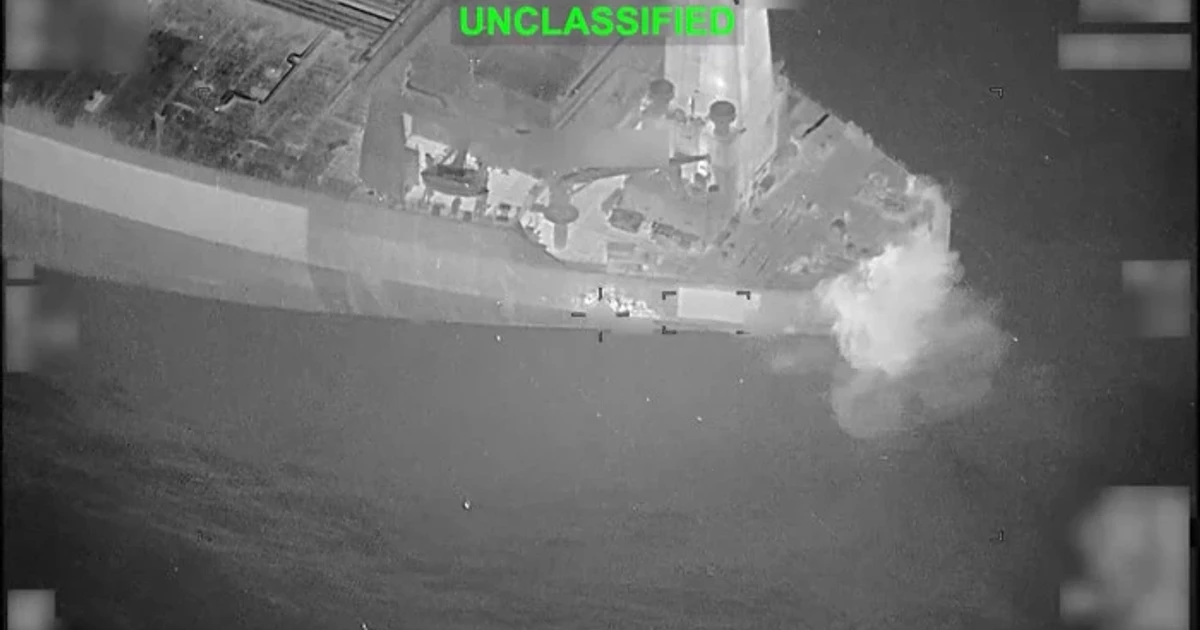
The ceasefire between the United States and Iran was already brittle. A second straight day of air attacks has now pulled Gulf states onto alert, with Kuwait and Bahrain activating air defenses and Iran’s Revolutionary Guard saying it struck a U.S. command center in Jordan, a sign that the fighting is spreading beyond the two main adversaries.
President Donald Trump said more strikes would follow unless Tehran immediately agreed to a peace deal, hardening a clash that has moved quickly from limited retaliation to a wider regional test. The latest exchanges came after the United States and Iran agreed to a ceasefire on April 7-8, 2026, following more than five weeks of fighting, but the truce never resolved the deeper dispute over Iran’s nuclear and ballistic-missile programs.
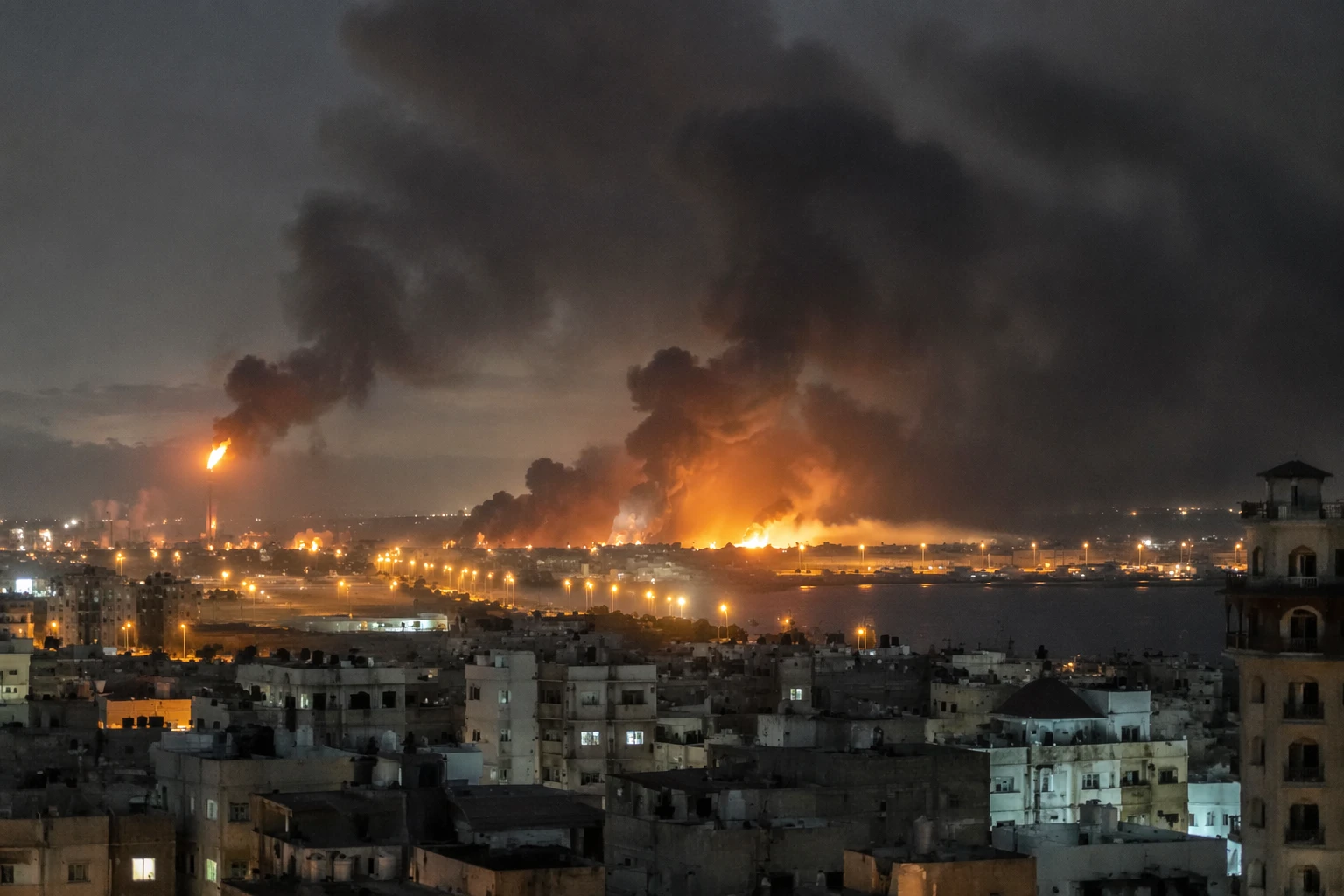
Much of the danger now runs through the Strait of Hormuz, the narrow passage at the mouth of the Persian Gulf that normally carries about 20% of the world’s petroleum and liquified natural gas. Before the conflict, around 3,000 vessels used the strait each month. Since the fighting began, shipping has remained extremely low, and World Trade Organization data show a 95% reduction in crude-oil ships and a 99% reduction in LNG ships through the waterway.
The disruption has already had consequences far from the Gulf. Fuel shortages have hit parts of Asia, while analysts and official briefings have warned that damaged shipping lanes, higher transport costs and military escalation have helped drive a sharp rise in global energy prices. That makes the current exchange far more than a local flare-up: it is a test of whether deterrence can still contain a conflict that has already broken one ceasefire.

The path to this point was built over years. Repeated Iranian threats to restrict or close the Strait of Hormuz, failed U.S.-Iran nuclear negotiations in 2025 and 2026, and the steady buildup of missile and nuclear tensions left both sides exposed to exactly this kind of escalation. With Gulf capitals now activating defenses and Washington threatening more strikes, the line between recurring retaliation and full-scale war has grown thinner than at any point since the ceasefire was signed.
Sources
- [1]nytimes.com
- [2]usnews.com
- [3]apnews.com
- [4]commonslibrary.parliament.uk
- [5]britannica.com