World
US-Iran cease-fire teeters after strikes over Strait of Hormuz attacks
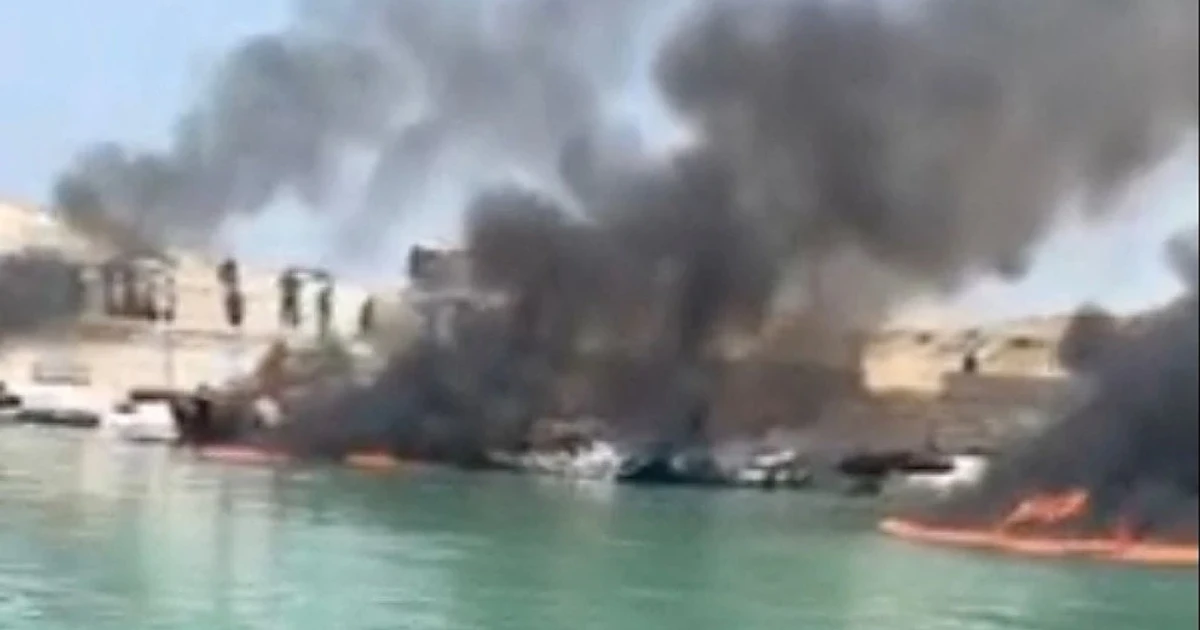
The United States completed a second round of strikes on Iran after commercial vessels were hit in and near the Strait of Hormuz, pushing a cease-fire with Tehran toward collapse. The break came after a memorandum of understanding signed by President Donald Trump and Iranian President Masoud Pezeshkian was supposed to pause the war for 60 days and open talks on a broader peace deal.
The agreement required Iran to de-mine the waterway and ensure safe navigation, said ships should pass free of charge for the first 60 days, and called for discussions with Oman and Gulf states on future administration and maritime services. The United States pressed for unrestricted international shipping, and Iran treated outside coordination as a threat to its position.
The immediate trigger was a string of Iranian attacks on at least three commercial vessels sailing in or near the strait, including tankers using a route Iran had warned ships against taking. U.S. Central Command responded on June 26, 2026, and said its aircraft struck Iranian missile and drone storage locations and coastal radar sites after Trump accused Iran of violating the cease-fire with drone attacks on ships. A later round of fighting on July 6 to July 8 widened the confrontation again, with U.S. forces hitting more than 80 targets, including air defenses, radar sites, anti-ship missile sites and more than 60 small boats used by Iran’s Revolutionary Guard.
Washington added economic pressure at the same time, revoking a waiver that had allowed Iran to sell oil and petrochemicals.
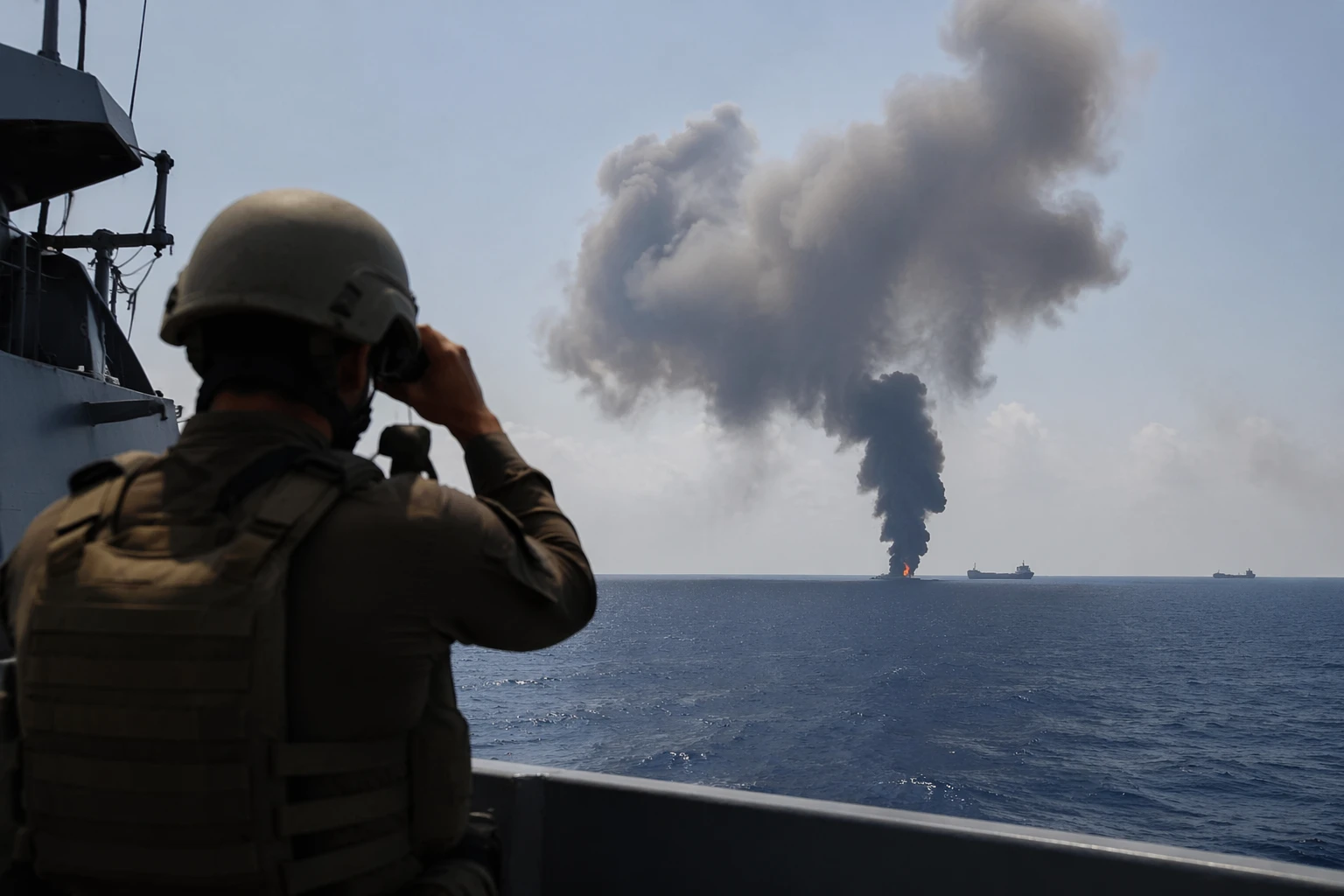
The fighting rippled across the Gulf. Bahrain, home to the U.S. Navy’s 5th Fleet, sounded missile alert sirens after the American strikes, and later condemned an Iranian drone strike as a breach of sovereignty and international norms. Kuwait was targeted by Iran and warned that the attacks undermined regional de-escalation efforts. Iranian officials warned of retaliation, and explosions hit Bandar Abbas, Qeshm and Sirik, followed later by Bushehr.
The violence came during the funeral period for Ayatollah Ali Khamenei, who was killed in the war’s opening moments at age 86, and negotiations on a final deal had been expected to begin after his burial.
Sources
- [1]abcnews.com
- [2]cnbc.com
- [3]aljazeera.com
- [4]cbsnews.com
- [5]usnews.com