World
U.S.-Iran clashes raise doubts over fragile peace talks
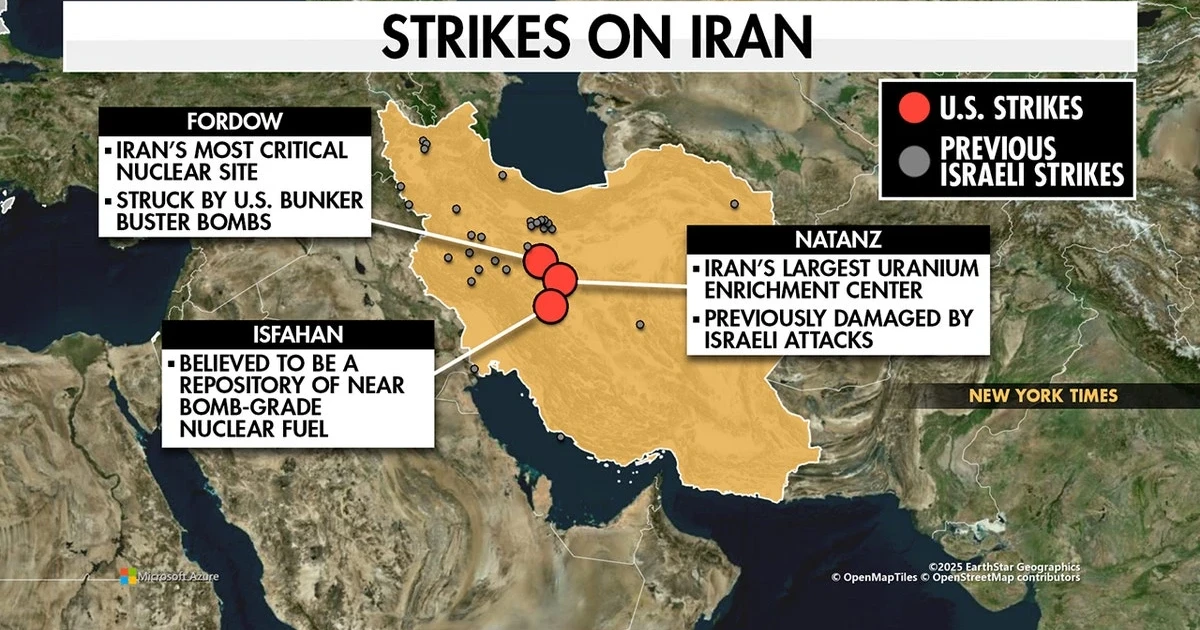
Fresh U.S. and Iranian strikes on July 6 to 8 pushed the mid-June ceasefire toward collapse, even as American officials still expected technical talks to continue. The U.S. military said it hit around 90 targets in Iran, while Tehran answered with missile and drone attacks on U.S. military sites in Kuwait and Bahrain, turning a shaky truce into the most serious test yet of whether the conflict can stay contained.
The fighting landed just days after indirect U.S.-Iran talks ended on July 1 with no sign of major progress toward a lasting settlement. Those negotiations were built around a memorandum of understanding reached in mid-June, a performance-based framework that extended the ceasefire and set up a High Level Committee with working groups on nuclear issues, sanctions, and dispute resolution. Pakistan and Qatar served as mediators, and the June 25 U.S.-GCC statement welcomed the June 17 MOU and the mediation role of both countries.
President Donald Trump sharpened the uncertainty on July 8 in Ankara, where he said he considered the ceasefire "over." AP also reported him saying he was not sure he wanted a deal anymore and that the United States should "finish the job." That language matters because it blurs the line between symbolic retaliation and genuine escalation: small, calibrated strikes can signal resolve, but repeated attacks on Gulf bases or U.S. personnel would make it harder for either side to step back without loss of face.
The most dangerous trigger remains the Strait of Hormuz, the oil chokepoint through which a major share of global crude flows. Earlier reporting said the June deal to reopen the waterway had helped calm markets, and any renewed threat there would immediately raise shipping risks and energy prices. That is why the latest exchanges are more than a military flare-up. They test whether the ceasefire can survive contact with real pressure, or whether one more round of missiles, drone strikes, or casualties forces both sides into a broader regional crisis.
The U.S. is also fighting on a wider sanctions front. The State Department says Washington has restricted Iran since 1979, after the seizure of the U.S. Embassy in Tehran, and in June it intensified pressure on Iran’s digital asset exchanges, shadow oil trade, and energy-smuggling network. That campaign runs alongside the talks, not separate from them, making every strike and counterstrike part of the same bargaining system.
Sources
- [1]nytimes.com
- [2]nbcnews.com
- [3]cnbc.com
- [4]state.gov
- [5]reuters.com
- [6]apnews.com