World
U.S.-Iran deal extends ceasefire, leaves nuclear terms unresolved
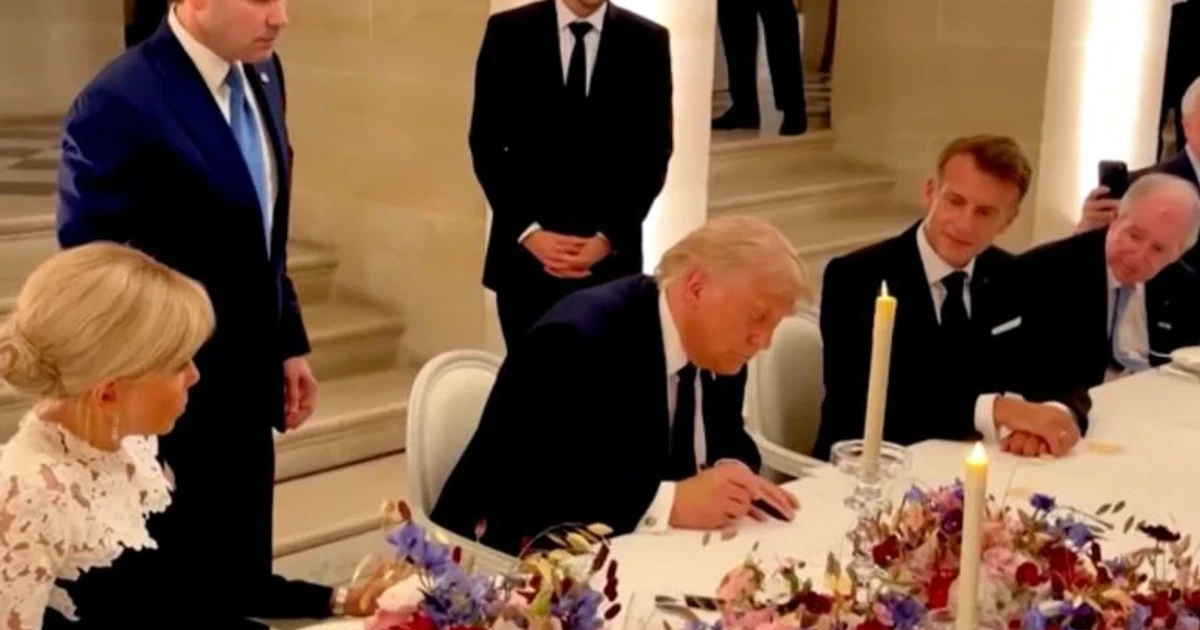
A 14-point memorandum between the United States and Iran extended the ceasefire and bought 60 days for nuclear talks, but it stopped short of the hard choices that defined President Donald Trump’s original demands. The deal delivers a pause in the fighting and a negotiating window, yet it leaves the core nuclear questions hanging: what happens to Iran’s enriched uranium, and how far the program will be rolled back.
The public text says Iran shall not procure or develop nuclear weapons, sanctions will be lifted on schedule as part of a final deal tied to nuclear compliance, and Iran can begin exporting oil immediately. It also calls for commercial traffic through the Strait of Hormuz to reopen, a major shift for global energy flows after weeks of conflict. The U.S. and regional partners are to develop a reconstruction plan for Iran worth at least $300 billion, underscoring how quickly the accord has moved from battlefield terms to economic planning.
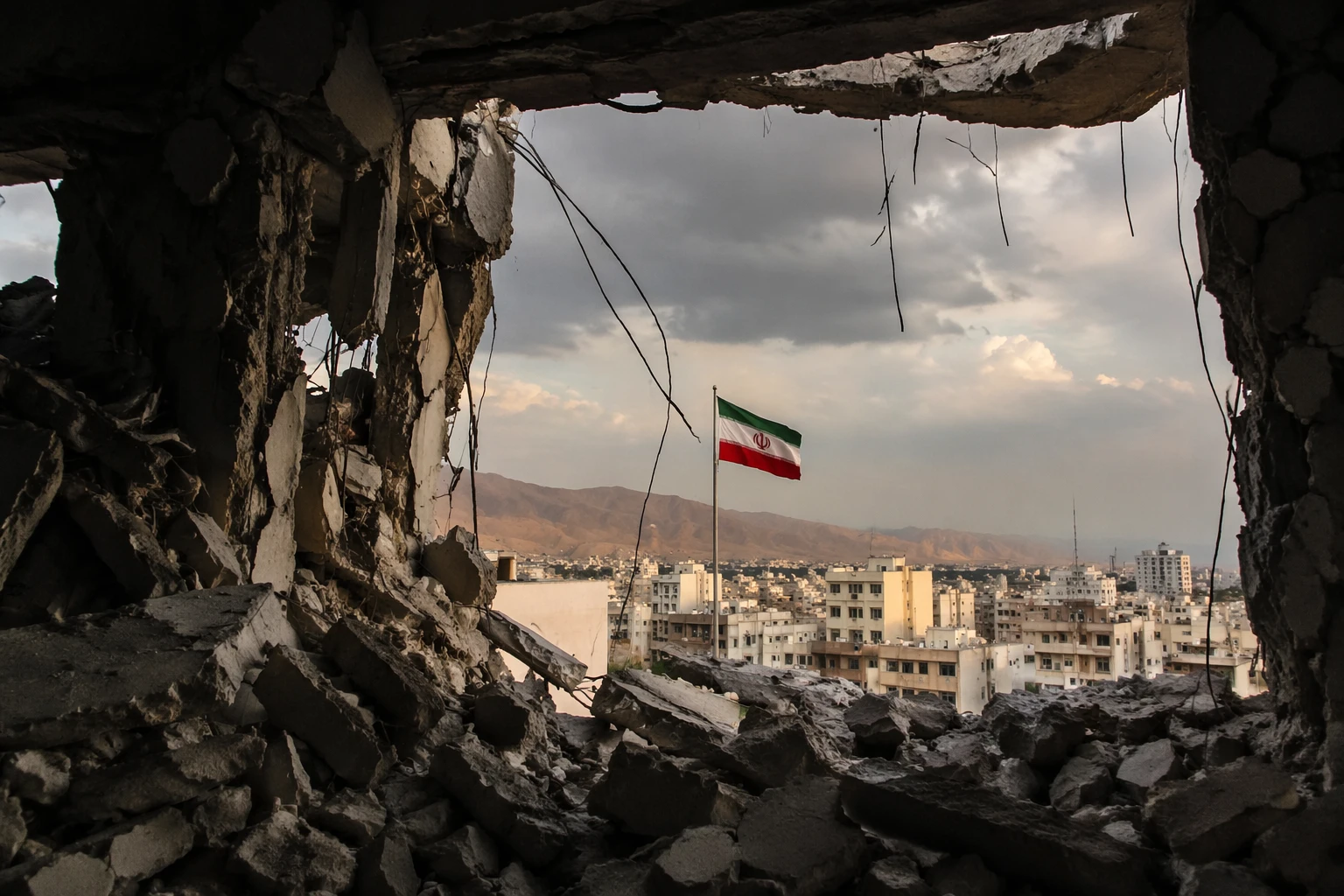
Senior U.S. officials read the text to reporters and later sent it to Congress, while the United States and Iran electronically signed the memorandum before a planned formal ceremony in Switzerland. Trump warned that the U.S. could resume bombing if a broader deal was not reached within 60 days, preserving military pressure even as diplomacy advances. Iran’s Revolutionary Guard said the country would receive half of roughly $24 billion in long-frozen funds before final negotiations begin, another sign that financial relief is being used as leverage.
Compared with the 2015 JCPOA, the new framework is less detailed and more open-ended. It does not spell out exact technical limits on Iran’s nuclear program, and it leaves the fate of enriched uranium unresolved, which is precisely where previous negotiations tended to bog down. Israeli officials said Israel is not bound by the U.S.-Iran agreement, while Iranian officials warned that continued Israeli strikes in Lebanon would violate the deal, showing how fragile the ceasefire remains outside the negotiating room.
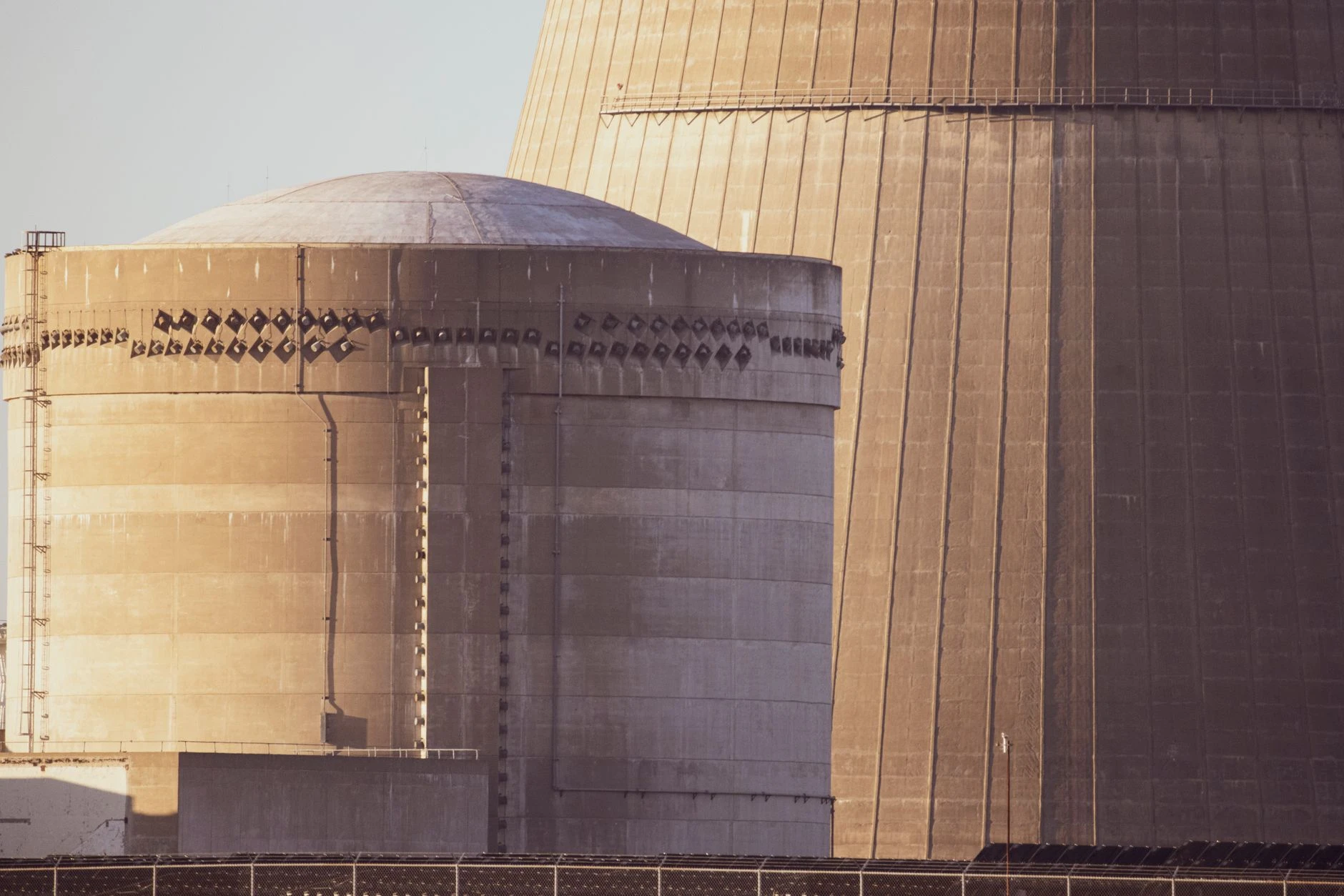
For markets, the immediate reopening of the Strait of Hormuz and the return of Iranian oil exports reduce the risk of an abrupt supply shock, but the unresolved nuclear file keeps a geopolitical premium in place. For the White House, the memorandum marks either a pragmatic narrowing of ambitions or a retreat from the tougher outcome Trump promised. What happens over the next 60 days will determine whether this is a bridge to a durable settlement or just a pause before the next round of pressure.
Sources
- [1]cbsnews.com
- [2]apnews.com
- [3]cnn.com