World
U.S.-Iran deal may reopen Strait of Hormuz, but major gaps remain
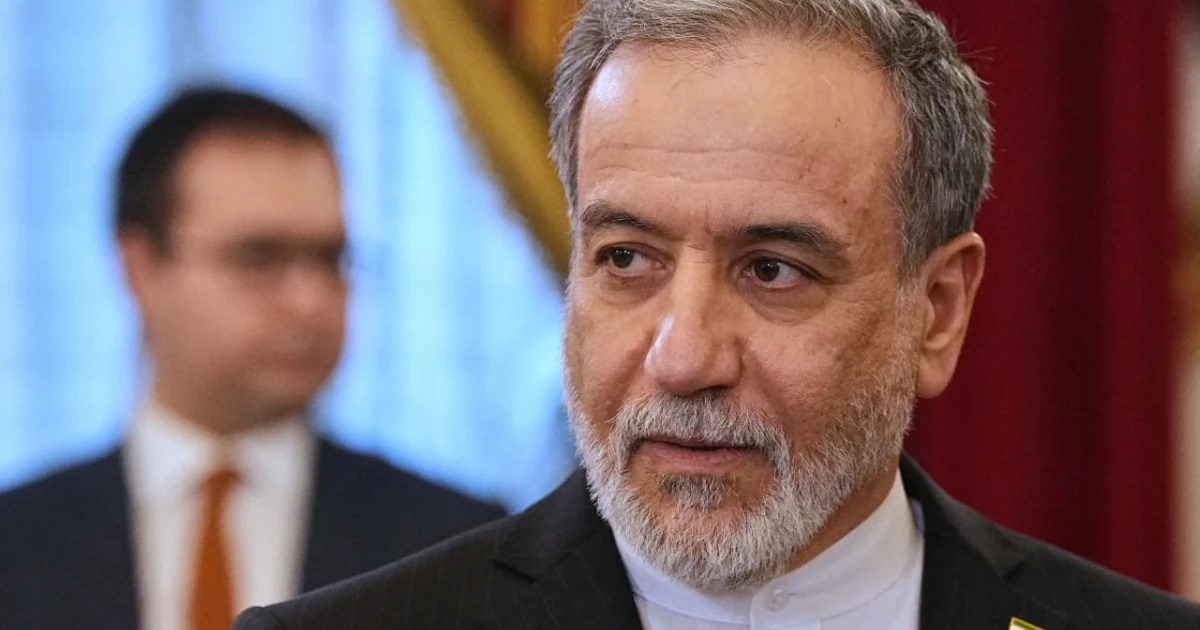
A fragile U.S.-Iran understanding could reopen the Strait of Hormuz and cool a market that handles nearly one-fifth of the world’s oil and natural gas supply. But the arrangement is still only a memorandum of understanding, not a finished peace treaty, and the hardest questions on sanctions, inspections and enforcement were still hanging over it.
President Donald Trump said he was not “100 percent” certain a deal had been reached, even as Iranian Foreign Minister Abbas Araghchi said the two sides had “never been closer” on terms. Pakistani Prime Minister Shehbaz Sharif claimed a final text had been reached, but neither Washington nor Tehran formally confirmed that claim, underscoring how quickly the diplomatic picture could change.
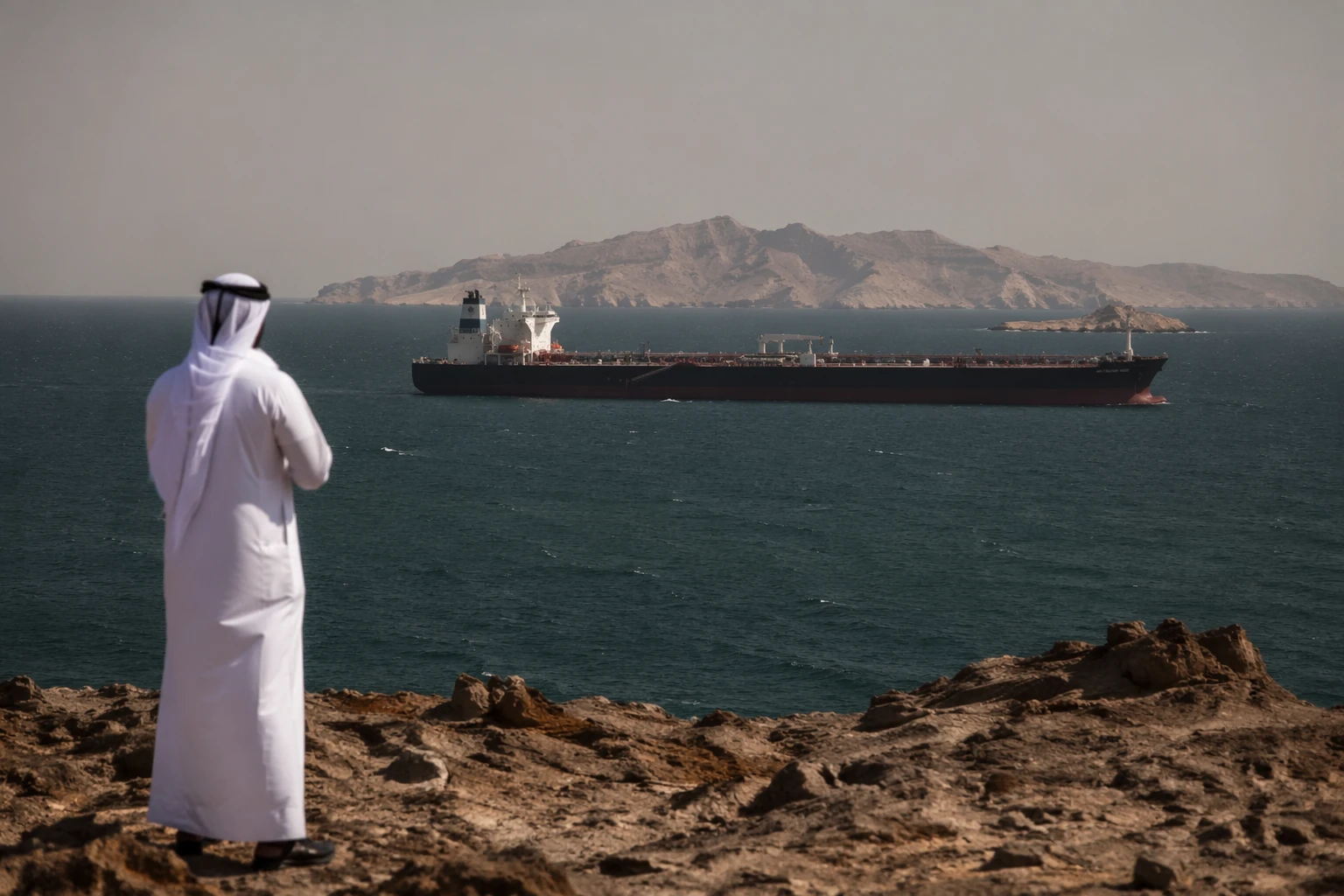
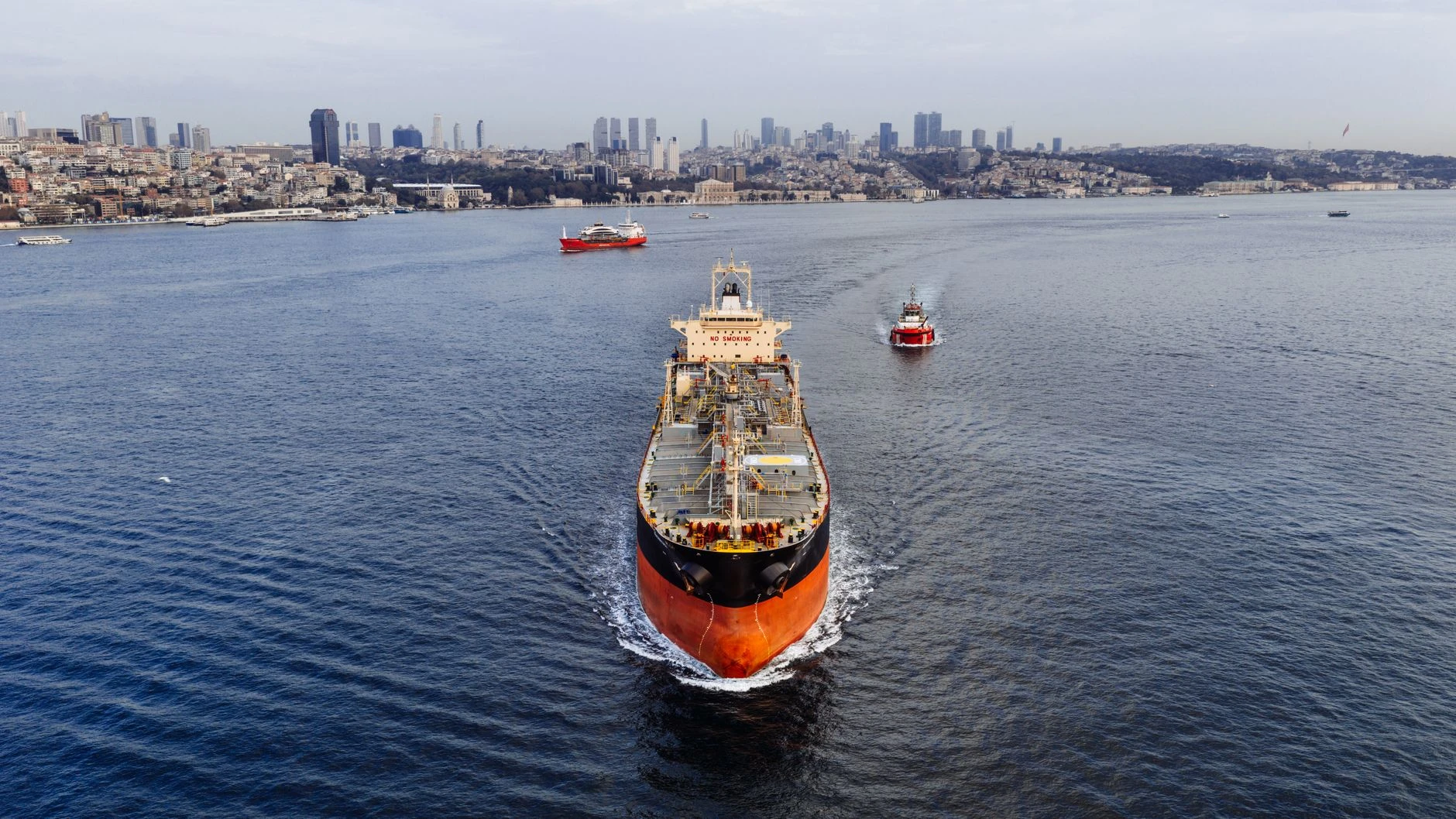
The immediate commercial prize is clear. A ceasefire extension of at least 60 days and a reopening of Hormuz would matter well beyond the Gulf, because the waterway is a choke point for global energy shipments. Any interruption or resumption in access can move oil prices, shift inflation expectations and alter growth forecasts for import-dependent economies.
The biggest pressure point is verification. On June 10, 2026, the U.N. nuclear watchdog’s 35-nation Board of Governors passed a U.S.-backed resolution telling Iran to declare its remaining enriched uranium stocks and let inspectors verify them. The International Atomic Energy Agency has also reported severely restricted monitoring access in Iran, and a Reuters-based summary said the agency had identified 440.9 kilograms of uranium enriched to 60 percent, material that can be further processed toward weapons-grade levels.
That is why the nuclear file remains the central test. Iran’s last major nuclear accord, the Joint Comprehensive Plan of Action, was signed on July 14, 2015 by Iran and the P5+1, China, France, Germany, Russia, the United Kingdom and the United States. The deal limited Iran’s program and expanded monitoring in exchange for sanctions relief, but Trump withdrew the United States in 2018 and reimposed sanctions. Iran later scaled back compliance, raised enrichment levels and eventually barred international inspectors.
The political risks run in both directions. European powers have welcomed the framework and some have signaled they could lift sanctions if Iran curbs its nuclear program, while other actors remain wary of what the deal leaves untouched, including Iran’s missile program and regional proxy conflicts. Specific terms have not been published, including how sanctions relief would work, whether Iran could freely sell oil, how any U.S. naval blockade would be wound down and what penalties would apply if either side walked away.
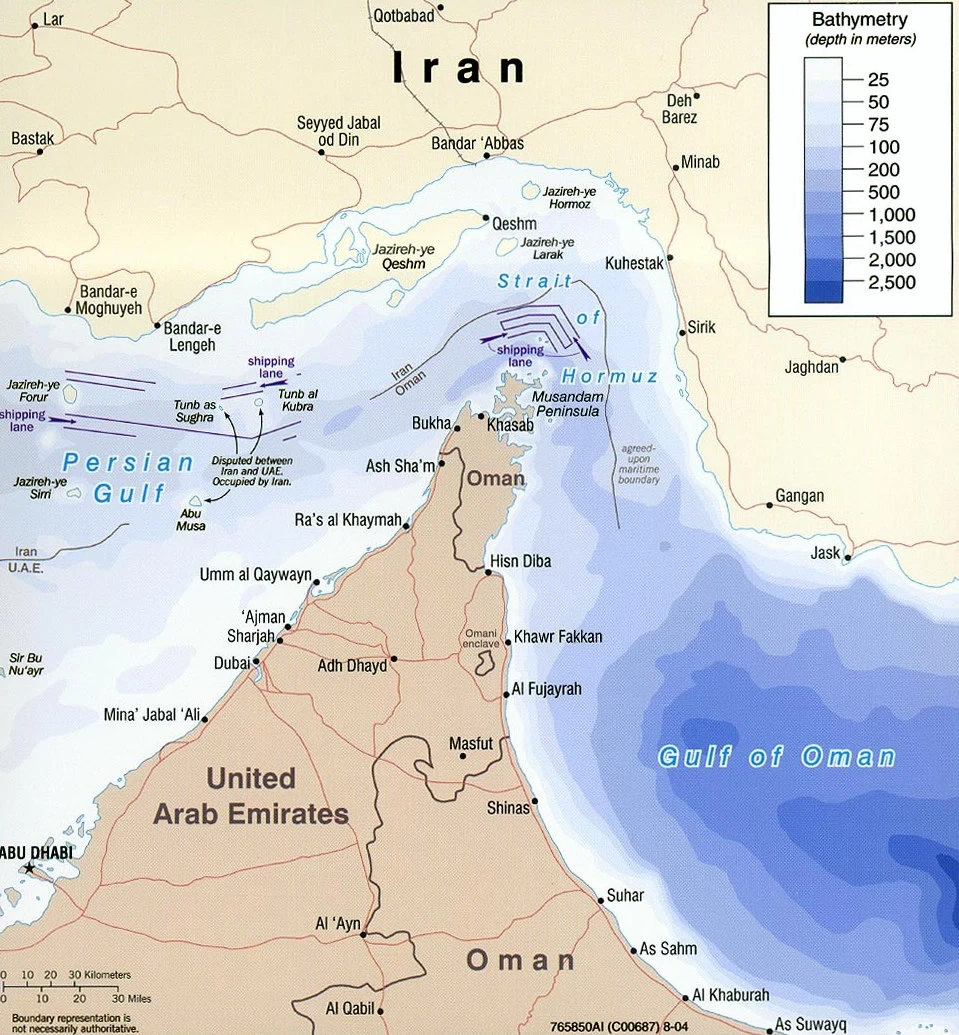
For now, the deal looks less like a breakthrough than a timed stress test. It may buy 60 days of calm on one of the world’s most dangerous trade arteries, but the agreement will only hold if both capitals can turn an ambiguous first step into verifiable concessions before the old suspicions return.
Sources
- [1]nytimes.com
- [2]cfr.org
- [3]armscontrol.org
- [4]britannica.com
- [5]usnews.com
- [6]cnbc.com
- [7]iiss.org