World
U.S.-Iran deal over Hormuz remains disputed as tensions rise
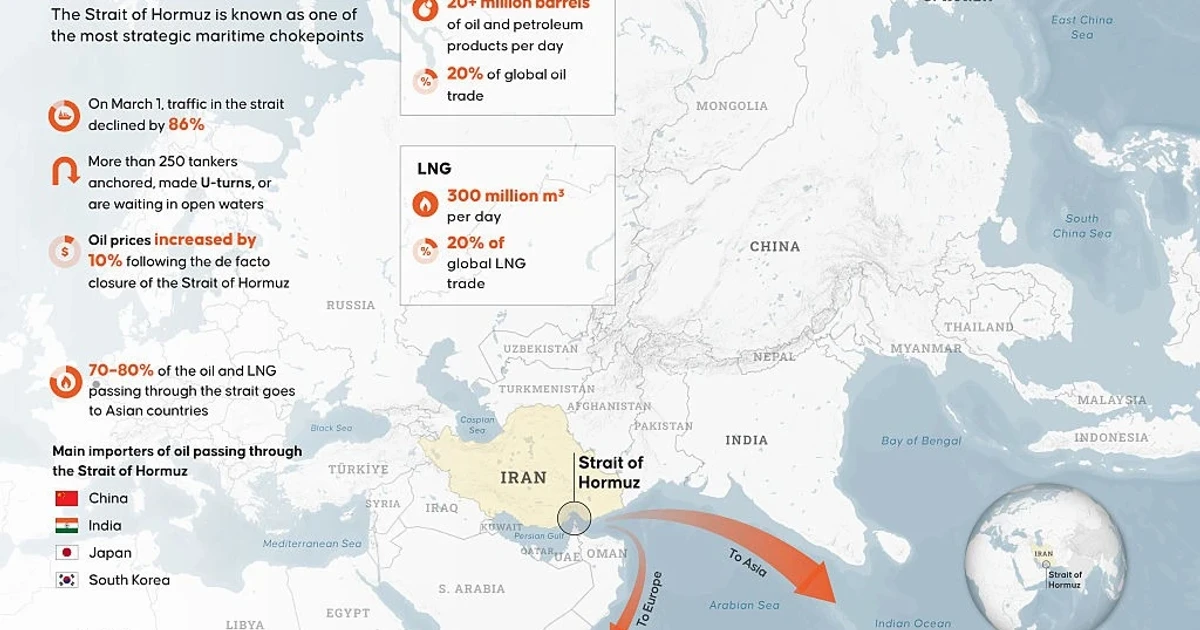
Donald Trump said the U.S.-Iran agreement was over, while Iranian officials insisted Washington was violating the framework. The dispute has kept the Strait of Hormuz, one of the world’s most important oil shipping lanes, at the center of a fragile standoff that still threatens commercial traffic, oil prices and regional security.
The agreement has been described as a 14-point memorandum of understanding, but its wording left the most sensitive issues open to competing interpretations. Analysts say the clause on maritime control is especially vague, with no clear answer on who would administer transit in and around Hormuz, how commercial vessels would move through the waterway, or how either side could judge a breach of the deal. In some accounts, the text was not fully released publicly, adding to the uncertainty around what the memorandum actually required.
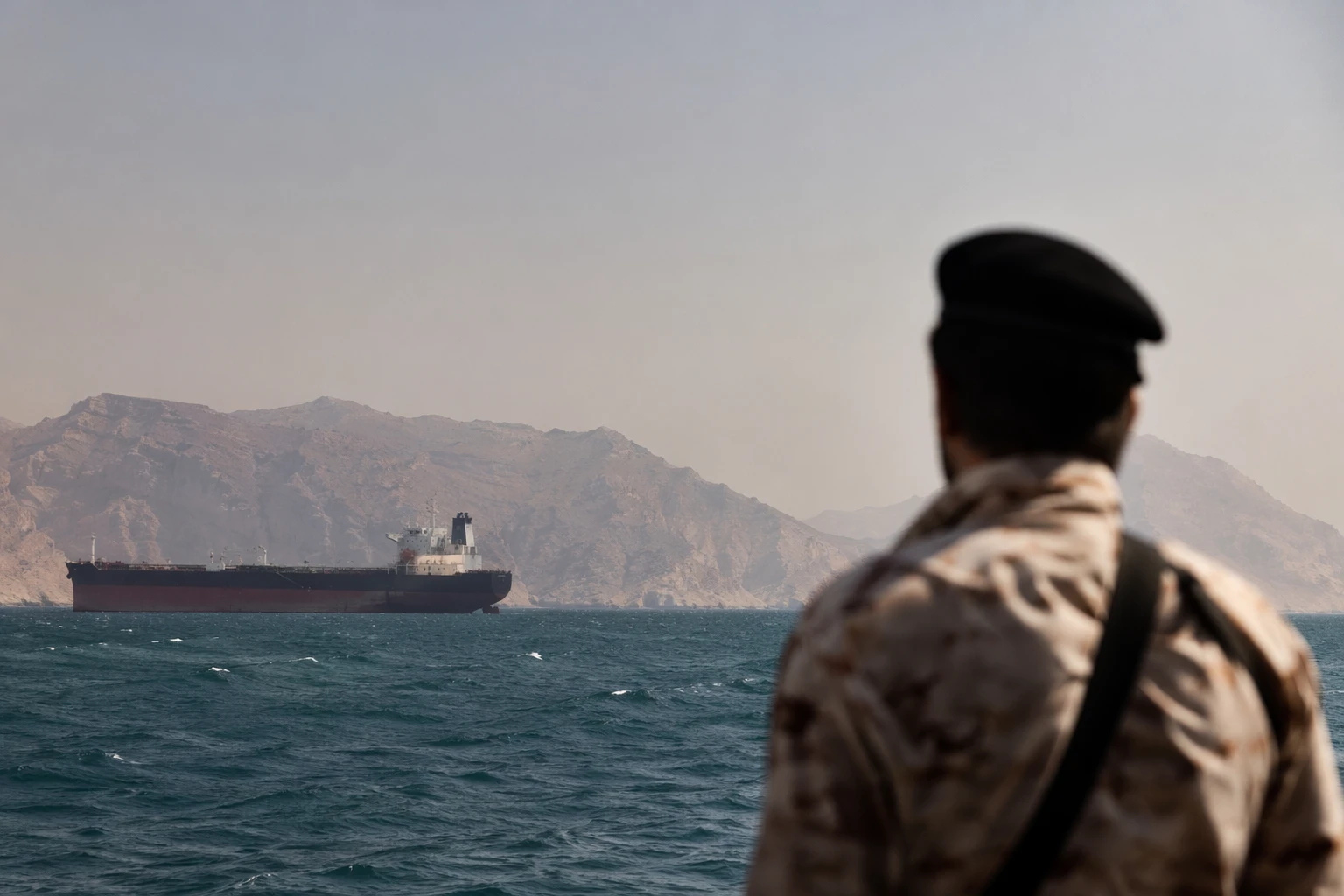
The arrangement was meant to create a 60-day window for a final agreement and reopen the Strait of Hormuz to commercial traffic. Some reports placed the signing or finalization in mid-June 2026, including June 17 and June 18, with Geneva cited in some accounts. That timing matters because the document was supposed to halt immediate escalation while leaving space for later negotiations on the hardest issues, including Iran’s nuclear program and sanctions relief.
Instead, the language dispute has deepened the fight over compliance. Trump has said the deal was effectively collapsed, while Iranian officials have argued that the United States is the side violating the framework. The standoff has widened as each side accuses the other of breaking the terms, and the unresolved issues around Hormuz have been linked to renewed hostilities and tit-for-tat maritime incidents.
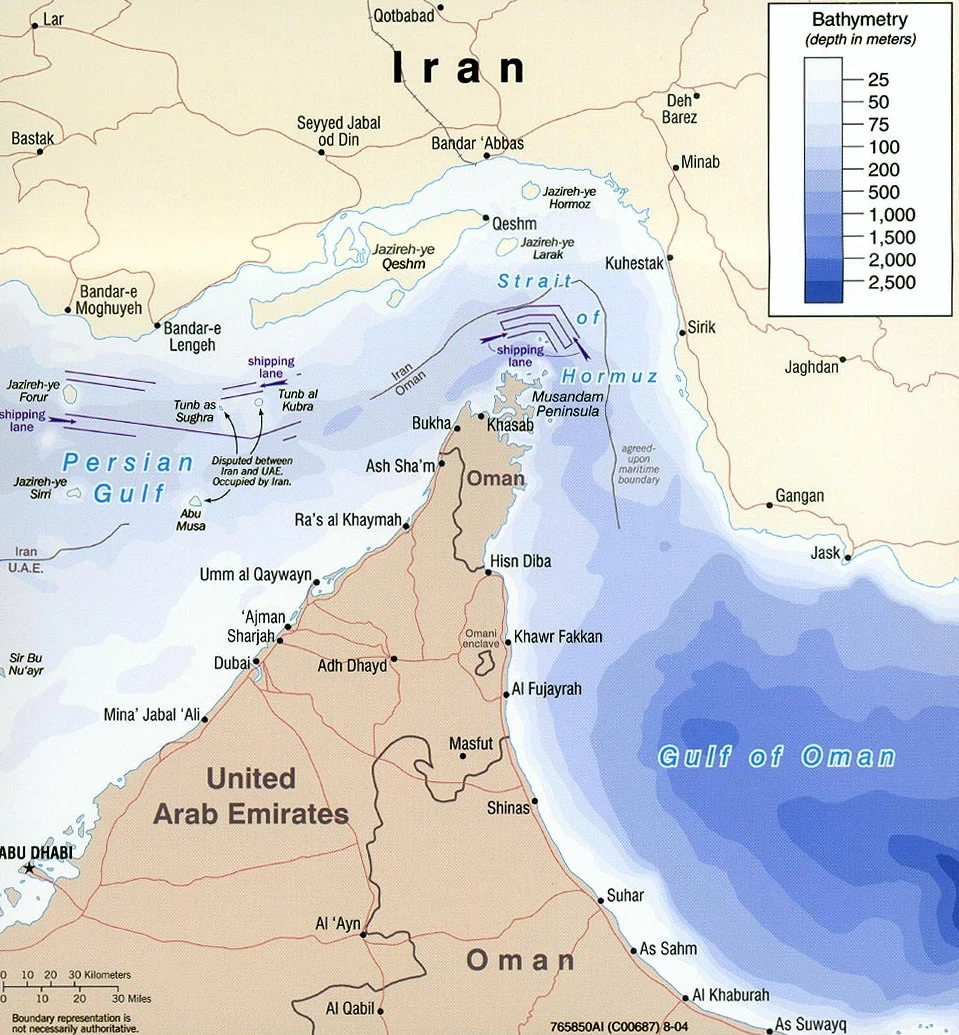
The stakes are high because Hormuz is a chokepoint for global energy flows. Even a short disruption in the strait can ripple through shipping schedules and crude prices, especially when traders are already weighing the chance that a maritime dispute could spill into broader conflict. That is why a few ambiguous words in a 14-point memorandum now carry consequences far beyond the Persian Gulf, touching oil markets, naval posture and the odds of military escalation.
Sources
- [1]nytimes.com
- [2]al-monitor.com
- [3]cnbc.com
- [4]abcnews.com
- [5]gulfnews.com
- [6]gibsondunn.com