World
U.S.-Iran deal pauses conflict, leaves nuclear and sanctions questions unresolved
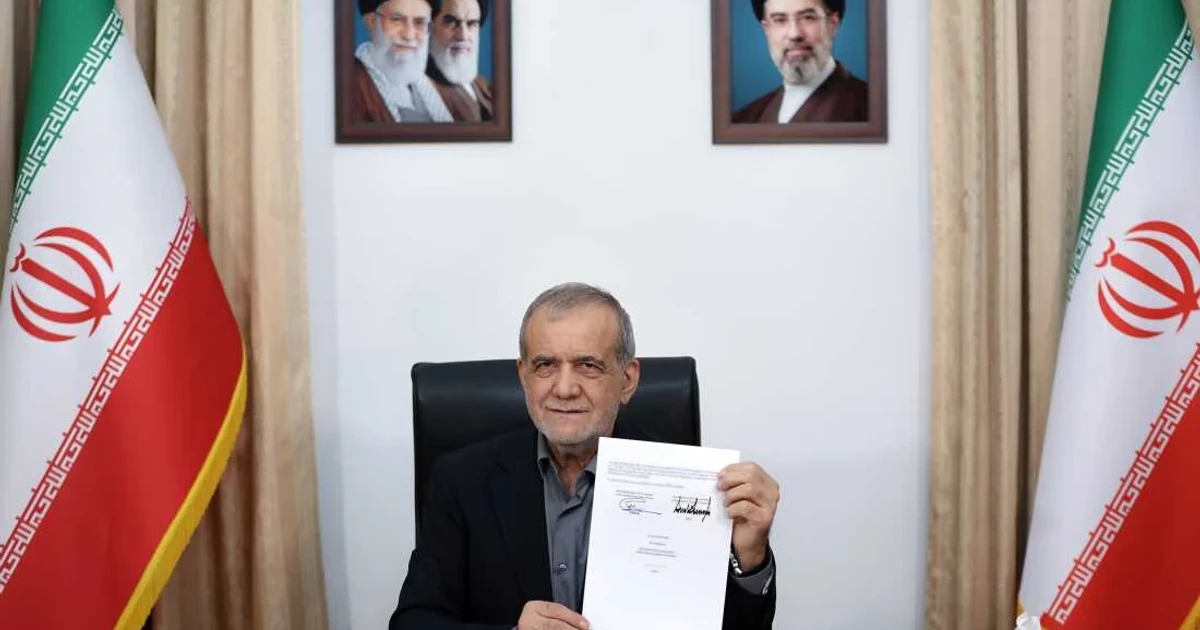
The U.S.-Iran agreement slowed a fast-moving war, but it did not settle the threats that drove the conflict in the first place. Analysts said the truce and interim framework left Iran’s nuclear capacity, sanctions relief, proxy activity and regional deterrence unresolved, turning a battlefield confrontation into a longer bargaining fight.
The deal, announced in mid-June 2026, reportedly set out a 14-point framework and opened roughly 60 days of negotiations over sanctions and Iran’s nuclear program after the signing ceremony. The broad outline included an immediate halt to military operations, later talks on nuclear inspections and phased implementation tied to compliance. But the full text had not been publicly released, leaving the most sensitive provisions unclear.
That uncertainty is why many experts described the arrangement as a pause rather than a resolution. Analysts at CSIS said the framework pushed the hardest questions down the road, while observers at the Atlantic Council argued that the 12-day war delivered tactical gains without producing strategic success. The fighting may have damaged Iranian assets, but it did not erase Iran’s long-term leverage or the central risk that Tehran could preserve enough nuclear capability to rebuild quickly if diplomacy collapses.
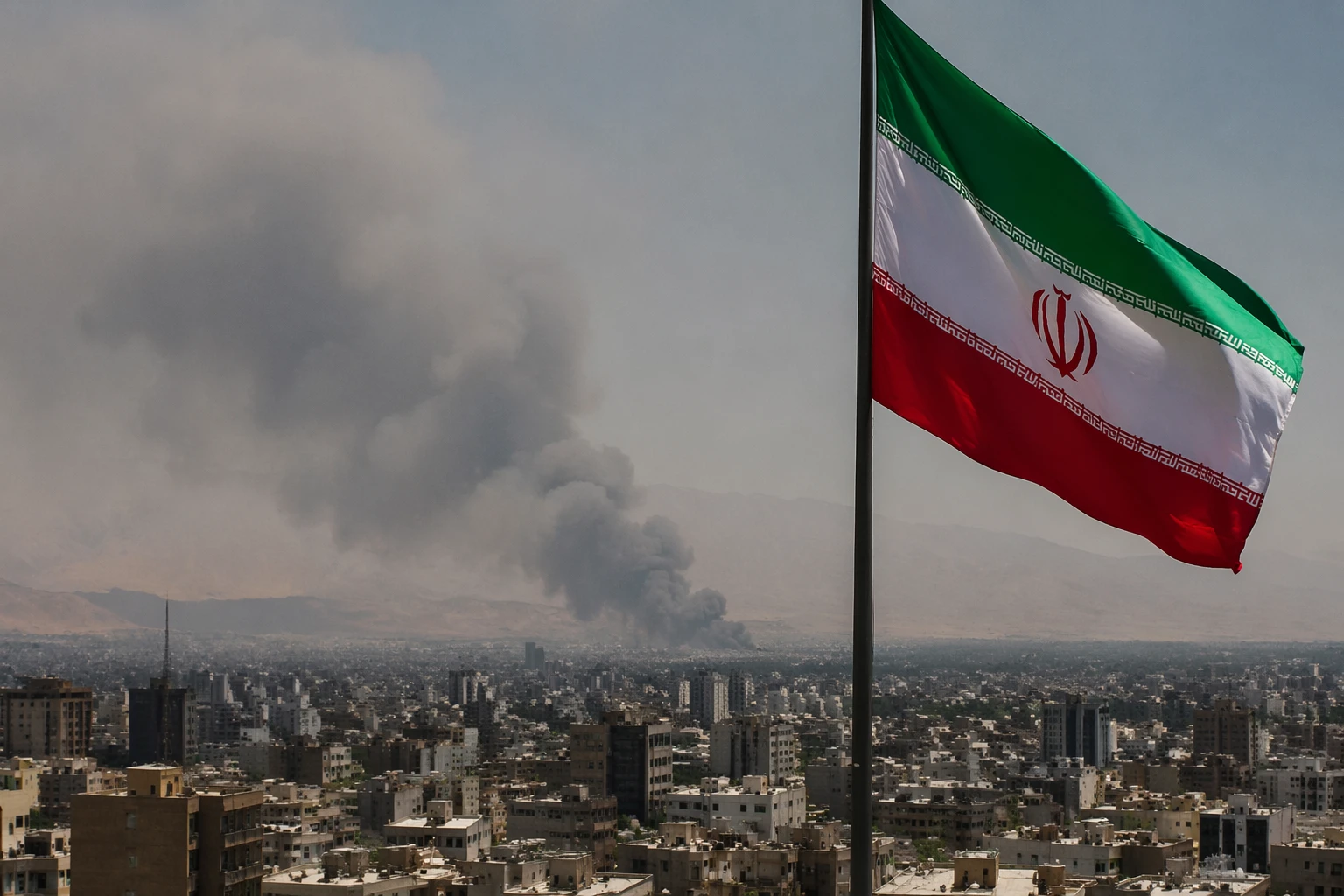
The most immediate danger is enforcement. If the ceasefire frays, the agreement could unravel before the broader negotiations even begin, especially because the Strait of Hormuz remained a flashpoint during the diplomacy and President Donald Trump publicly said the deal would reopen shipping there. A second risk is the nuclear file itself: inspections, sanctions relief and the pace of any rollback all remain open, and those details will determine whether Washington can actually verify limits on Iran’s program.
Proxy networks are the other major fault line. Iranian state media said support for regional proxies had been removed from the agenda, but analysts and regional observers said Iran’s allied militias and armed groups across the Middle East still shape deterrence from Lebanon to the Gulf. That is why some experts warned the war’s tactical strikes did not amount to strategic victory, and why others said the deal may undercut, at least for now, the long-standing assumption in Washington and Jerusalem that maximum pressure alone could force regime change in Tehran.

Iranians interviewed in regional coverage sounded little more confident. They said the arrangement looked more like a delay than a durable settlement, with the promise of stability still far from daily reality. For now, the conflict has shifted from open war to a narrower but still volatile test of compliance, sanctions enforcement and deterrence, and any one of those pressures could be the first to snap.
Sources
- [1]nytimes.com
- [2]csis.org
- [3]atlanticcouncil.org
- [4]cfr.org
- [5]aljazeera.com
- [6]abc.net.au