World
U.S.-Iran deal reopens Strait of Hormuz after months of war
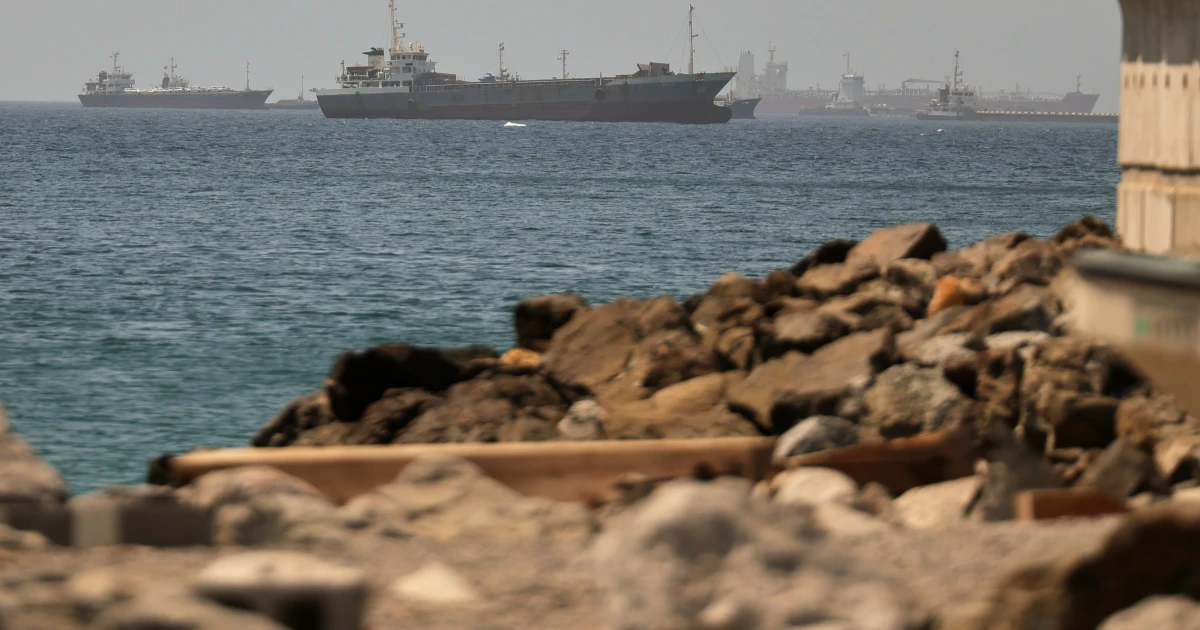
The U.S. and Iran have reached a preliminary agreement to end the war and reopen the Strait of Hormuz, a move that could steady global energy markets after months of disruption. The waterway matters because, before fighting began on February 28, 2026, it carried about 20% of the world’s oil supply and large shares of liquefied natural gas and other commodities.
The framework is being sold as a path back to commerce, not a cash handout, but the headline number has already become the deal’s most politically dangerous feature. Reuters reported that the agreement outlines a $300 billion private investment fund meant to trigger investment into Iran, with more than half of that amount already committed in principle. The plan also reportedly includes a phased reopening of the strait, temporary sanctions relief and follow-on talks over Iran’s nuclear program.
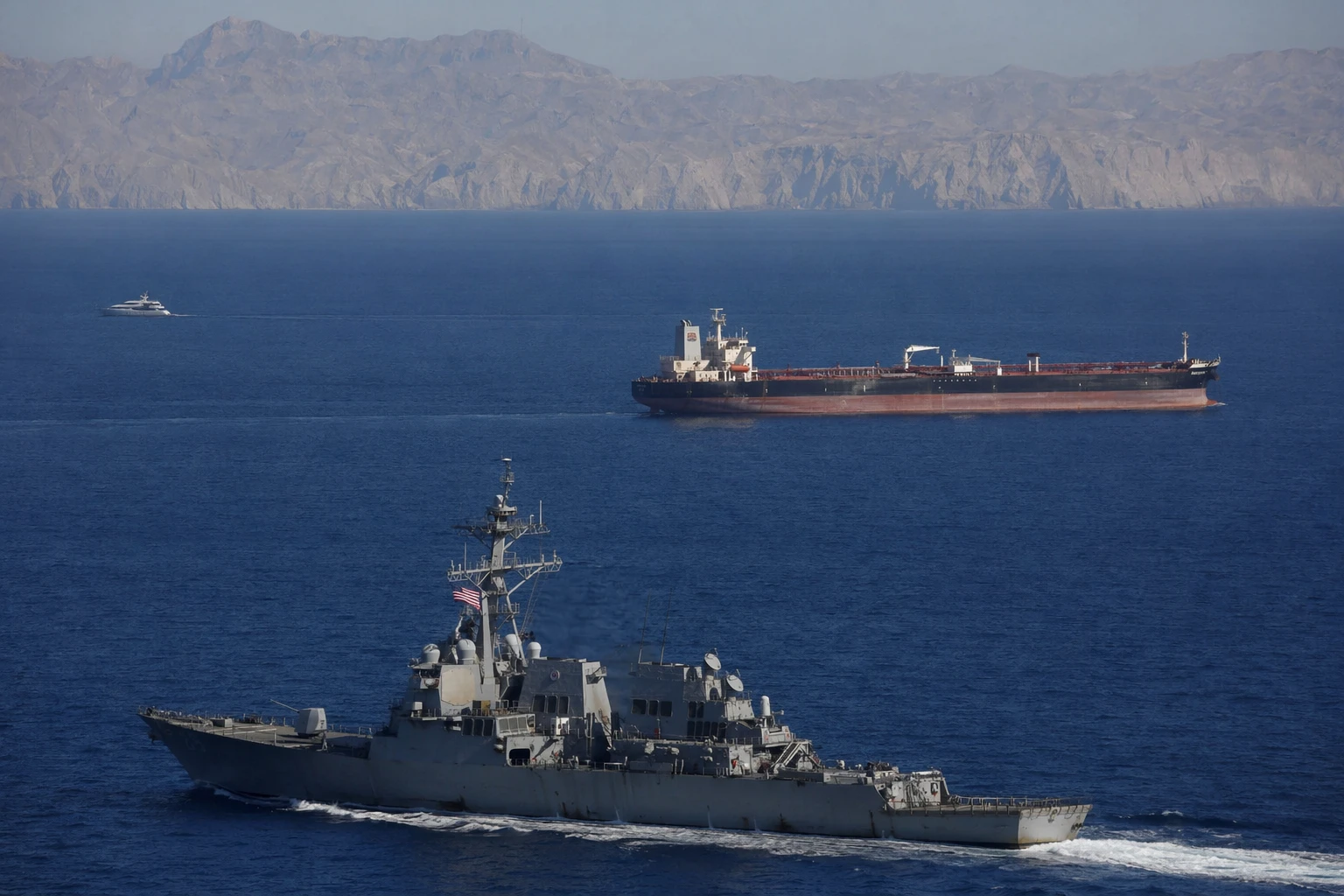
That structure may buy short-term stability in one of the world’s most sensitive shipping lanes, but it also creates an opening for domestic criticism. On Jimmy Kimmel Live!, Jimmy Kimmel made the $300 billion figure the punch line, saying, “we threw in a minimum of $300 billion,” and adding, “Right now, Melania’s wondering, ‘How do I get a deal like that?’” The joke landed because it crystallized a serious political risk: critics are already framing the agreement as too generous to Tehran.
In Washington, Senate Republicans are pressing for a closer look at the fine print. Lindsey Graham and other lawmakers have signaled that Congress should scrutinize the deal’s terms, arguing that Iran may be getting too much relief without enough constraints. The White House and U.S. Department of the Treasury now face the challenge of defending an agreement that may ease immediate pressure in the Gulf while inviting a bruising fight at home over sanctions, oversight and the durability of any nuclear talks.
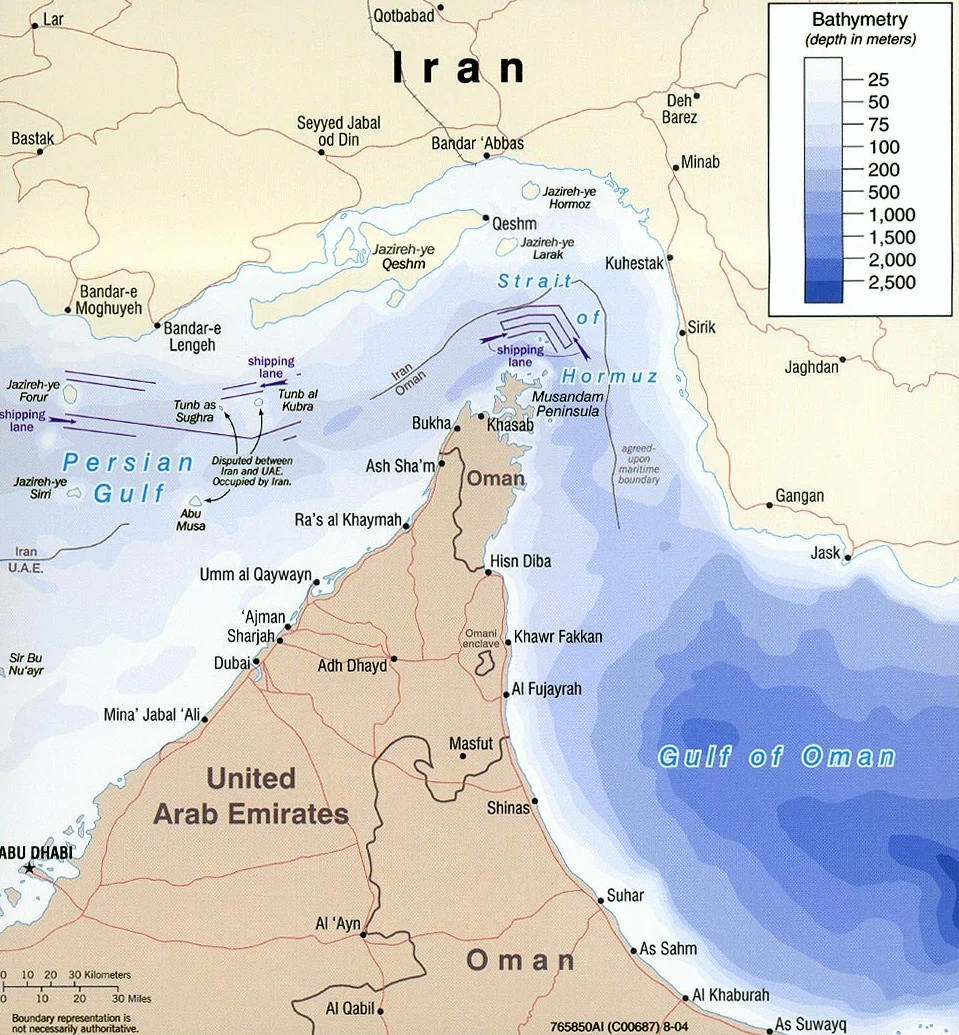
Abroad, the reception has been far warmer. Officials in the U.K., France, Germany, Italy and Japan welcomed the accord and urged that the Strait of Hormuz be reopened as quickly as possible. The urgency is clear: even with a deal in place, shipping-market sources and the Associated Press have warned that tanker traffic and oil flows may take weeks or months to return fully to prewar levels. The agreement may have paused the war over Hormuz, but the larger battle over its price is just beginning.
Sources
- [1]nytimes.com
- [2]reuters.com
- [3]apnews.com
- [4]cnbc.com
- [5]politico.com
- [6]spglobal.com
- [7]aljazeera.com