Politics
U.S.-Iran deal talks advance as CBS poll shows war fatigue
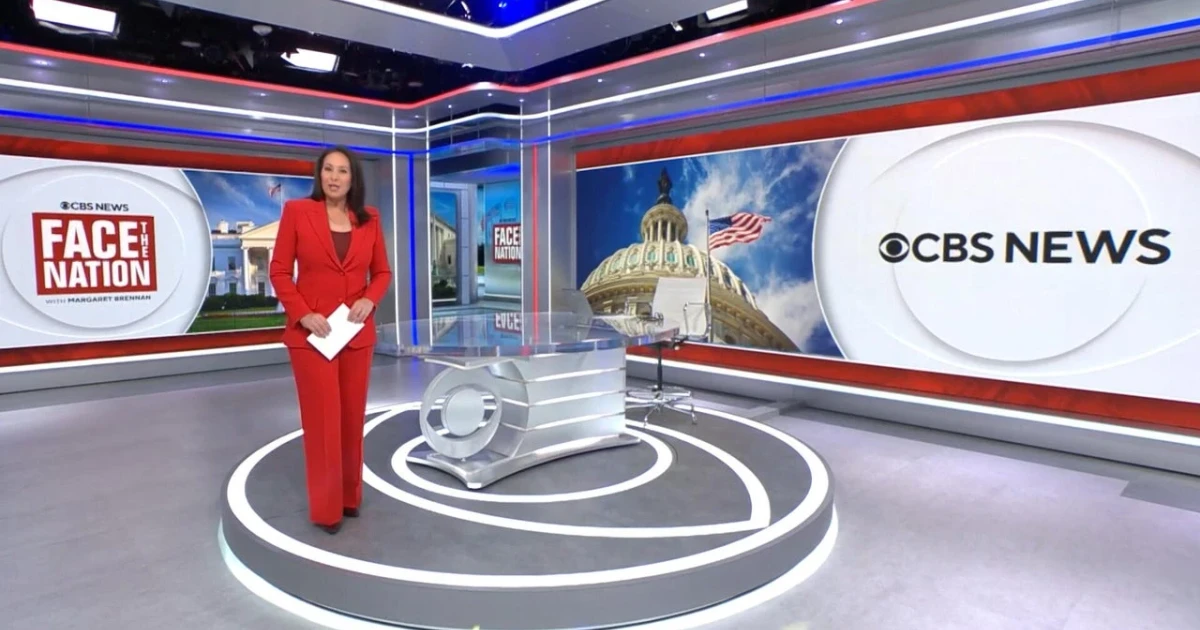
The U.S. and Iran were nearing a preliminary memorandum of understanding that could extend the cease-fire, reopen the Strait of Hormuz and launch 60 days of negotiations, even as Israeli strikes hit Beirut’s southern suburbs and targeted Hezbollah leadership. That split screen framed a Sunday broadcast that put national security, gasoline prices and voter fatigue at the center of the Washington debate.
Margaret Brennan said the arrangement had not yet been signed, but the stakes were immediate: the Strait of Hormuz is the chokepoint that carries a large share of global oil flows, and any change in its status can move energy markets fast. Brennan also pointed to continuing hostilities in Lebanon, where strikes in Beirut underscored how fragile any regional pause would be if Tehran, Israel and Hezbollah remain locked in overlapping conflicts.
Jason Crow, a Colorado Democrat who sits on the House Armed Services Committee and the House Intelligence Committee, said he was alarmed by Bill Pulte serving as acting Director of National Intelligence. Crow said Congress had required significant intelligence experience for the post and argued that Americans should not trade constitutional rights and privacy for a temporary extension of surveillance powers under FISA.
The politics around the war were just as revealing as the diplomacy. Anthony Salvanto’s new CBS News poll found Americans want the Iran war to end, but many do not believe the United States got the better end of the agreement. Large numbers doubted that Iran’s nuclear program had been permanently stopped, and many also doubted that Iran would stop threatening its neighbors. Four in 10 Republicans wanted the conflict to continue until Iran gave up more, a sign that the issue is already dividing the party as much as it is testing the White House.

Those numbers build on earlier CBS polling in March and April, when Americans said the conflict looked unfinished, reopening the Strait of Hormuz mattered and gas prices were feeding economic pessimism. That is why CBS brought in Amos Hochstein, now at TWG Global and formerly a Biden senior energy adviser and Middle East negotiator, along with Kevin Book of ClearView Energy Partners. Hochstein had already warned that a closure of the strait would quickly push gas prices higher and strain fuel supplies, including jet fuel shortages that had already led some Asian countries to cancel flights. For 2026, the fight over Iran is no longer just about missiles and diplomacy. It is now a test of prices at the pump, trust in government and whether voters think Washington can close a conflict without paying for it twice.
Sources
- [1]cbsnews.com