World
US-Iran deal would dilute uranium, waive sanctions, reopen Hormuz
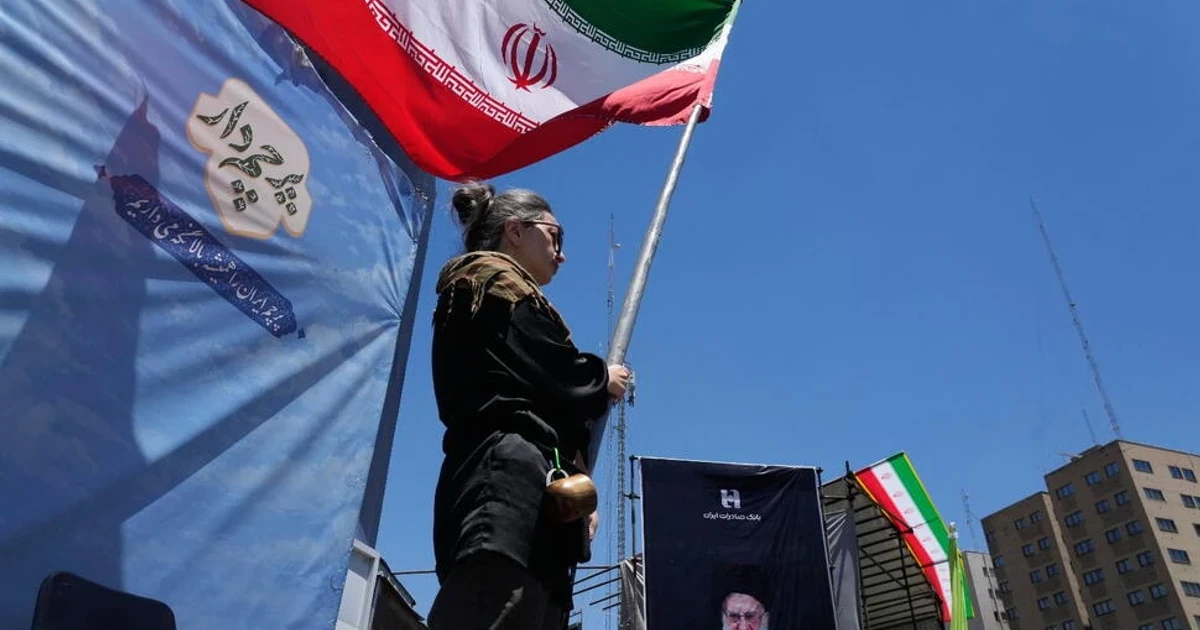
The emerging U.S.-Iran framework trades immediate pressure for a narrow shot at de-escalation: Tehran would dilute at least some of its enriched uranium, Washington would waive sanctions rather than end them, and traffic through the Strait of Hormuz would reopen. It is a bargain built to stop the bleeding first and settle the hardest questions later.
The draft agreement is meant to launch a 60-day negotiating period over Iran’s nuclear program, the issue that has long defined the standoff between the two countries. It also says Iran will never have a nuclear weapon, while stopping short of a final settlement. The arrangement is being treated less like a peace accord than a time-limited framework that could either cool the crisis or collapse under its own weight.
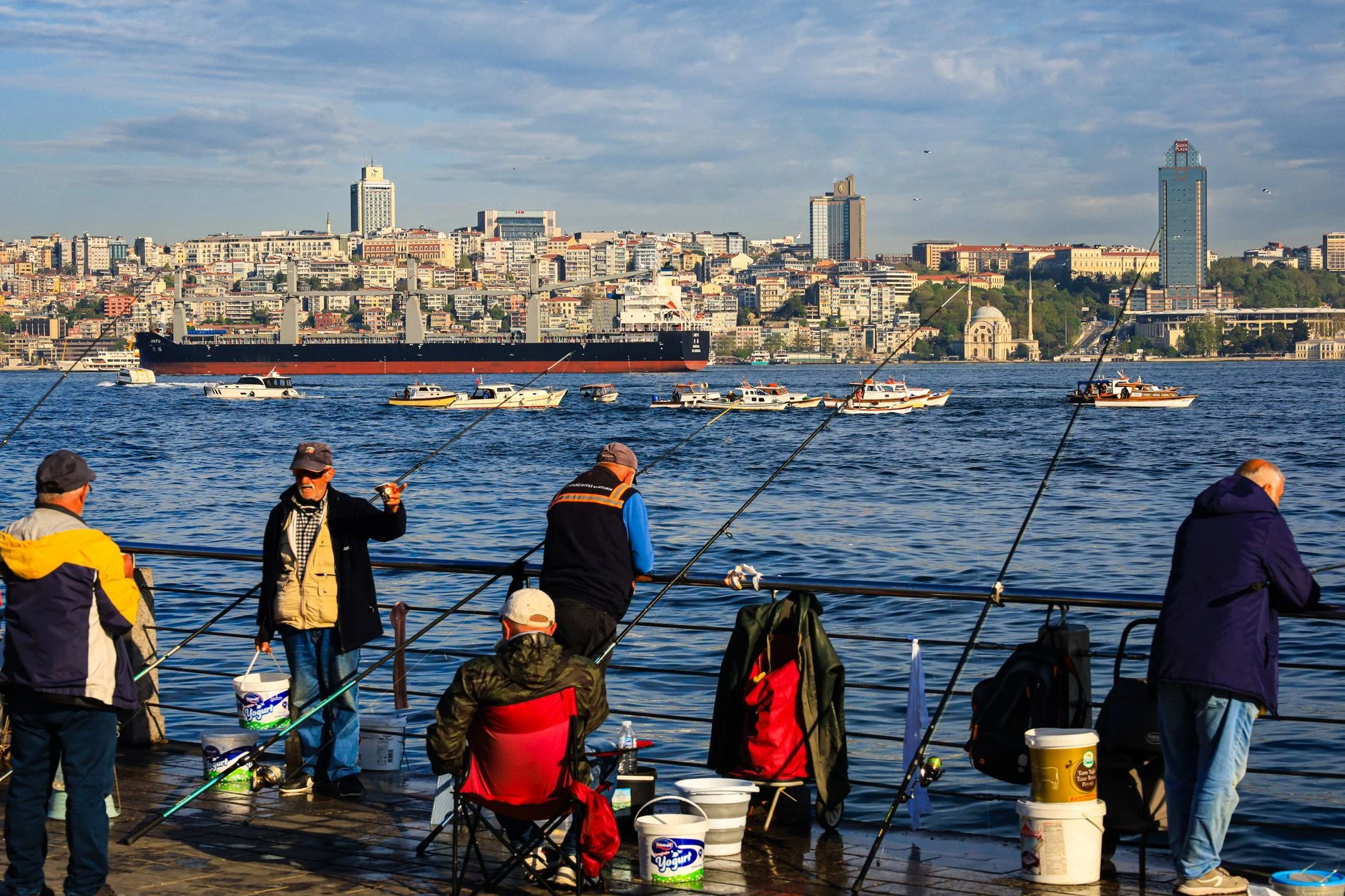
The maritime piece is central. The Strait of Hormuz, a narrow waterway that carries a huge share of global oil shipments, had been blocked for more than two months, helping drive energy disruption well beyond the Gulf. U.S. officials have framed the reopening as a return to freedom of navigation, and the market reacted immediately: oil prices fell about 5 percent on June 16 to a three-month low, with Brent crude and West Texas Intermediate both dropping sharply as traders bet the passage might reopen.
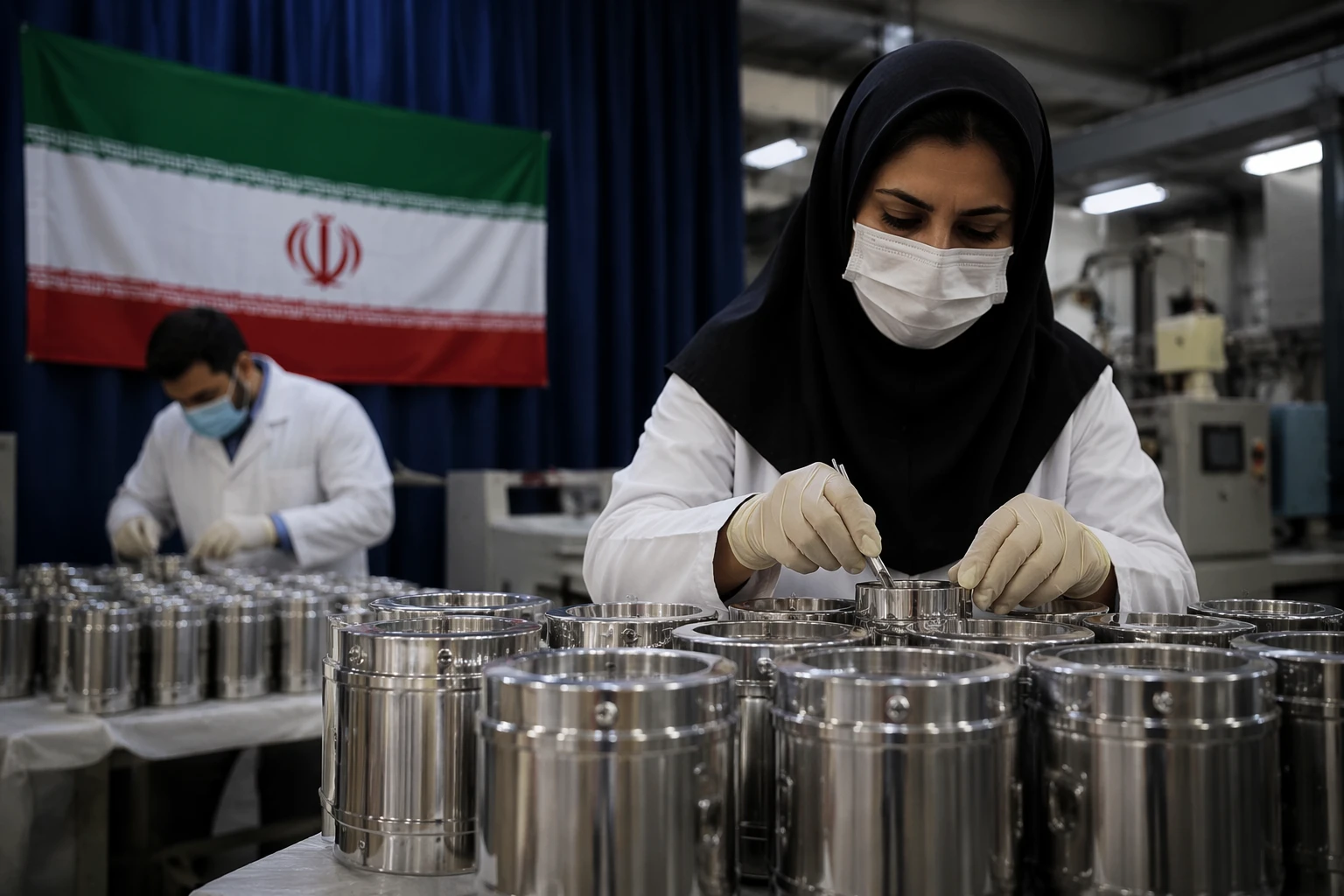
The nuclear terms are tied to an enormous stockpile. The International Atomic Energy Agency said Iran’s total enriched uranium inventory stood at 9,874.9 kilograms as of June 13, 2025, before it halted verification work after military attacks on nuclear facilities that month and withdrew inspectors for safety reasons. Any commitment to dilute or dispose of that material would mark a major step, but the deal still leaves open how much uranium Iran would keep and what safeguards would replace the lost oversight.
The draft also includes a $300 billion fund for reconstruction and economic development in Iran, though the United States would not be required to contribute. It calls for a final agreement within a maximum of 60 days, extendable only by mutual consent, which underscores how much remains unresolved even if the memorandum is signed. The broader structure would also not permanently lift sanctions, only waive them.
That matters because the United States has imposed restrictions on Iran under multiple authorities since 1979, and the current administration has continued a maximum-pressure campaign aimed at Iran’s oil, petrochemical, shipping and sanctions-evasion networks. In May 2026, the State Department said Iran continued to threaten freedom of navigation in the Strait of Hormuz, and Marco Rubio said the blockade had stranded sailors and commercial crew members for more than two months.
Israel was not directly involved in the talks and has distanced itself from the agreement, adding another layer of uncertainty to a deal already being described as preliminary. For now, the question is whether the arrangement becomes a meaningful break from confrontation, or simply buys 60 days before the region is forced back into the same crisis.
Sources
- [1]news.google.com
- [2]apnews.com
- [3]bbc.com.im
- [4]abc17news.com
- [5]iaea.org
- [6]state.gov
- [7]reuters.com