World
U.S., Iran draft deal could reopen Strait of Hormuz, extend ceasefire
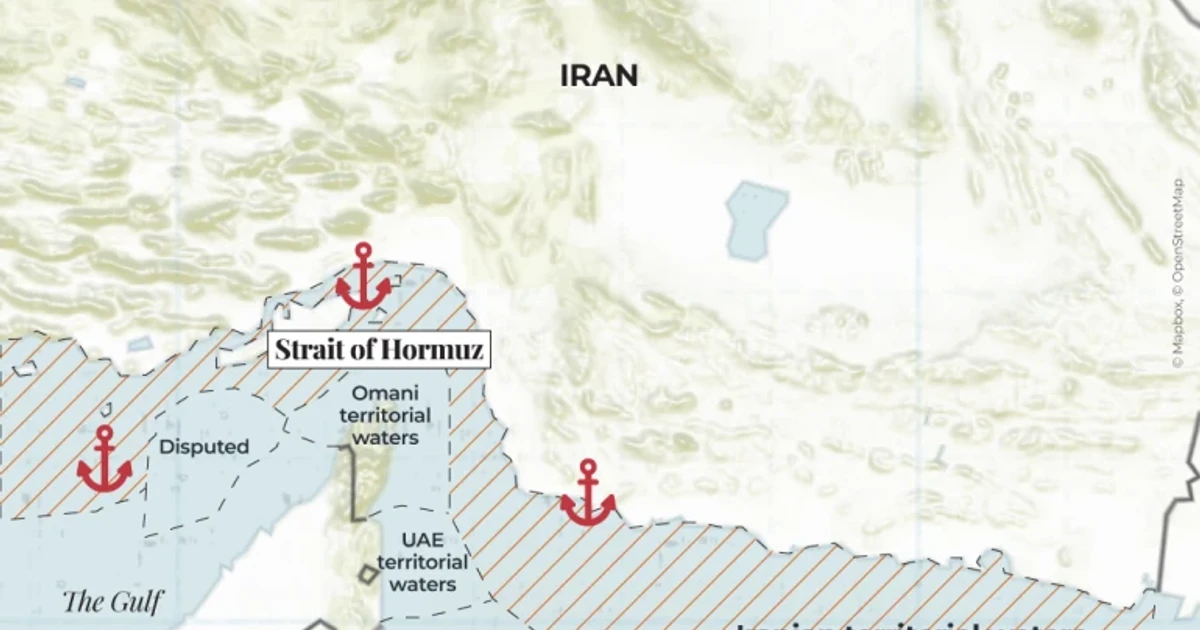
The draft deal moving between Washington and Tehran promised the kind of immediate relief that can change a war’s trajectory: reopening the Strait of Hormuz, lifting the U.S. naval blockade on Iranian ports and extending the ceasefire for at least 60 days. But the text itself had not been released, and the most dangerous disputes, led by Iran’s nuclear program, were being pushed into later talks rather than settled now.
Officials said both sides had agreed on a memorandum of understanding, not a final peace treaty, and expected to sign an initial accord in Geneva on Friday, June 19, 2026. The framework was being brokered with mediation from Pakistan and Qatar. Draft terms described to Reuters also called for the United States to release billions of dollars in frozen Iranian assets and waive sanctions on Iranian oil exports, while inspection and verification rules would be negotiated in a later phase.
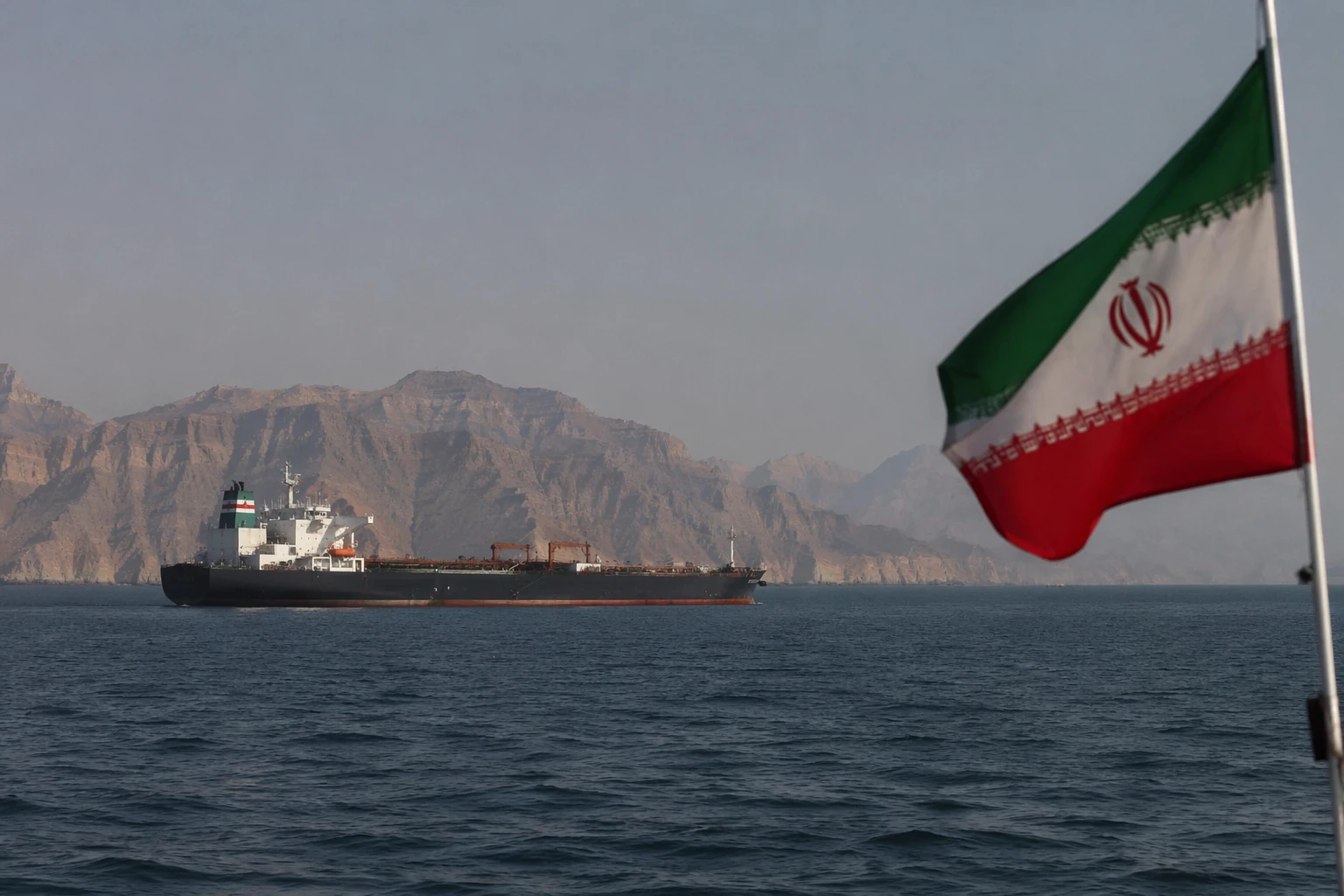
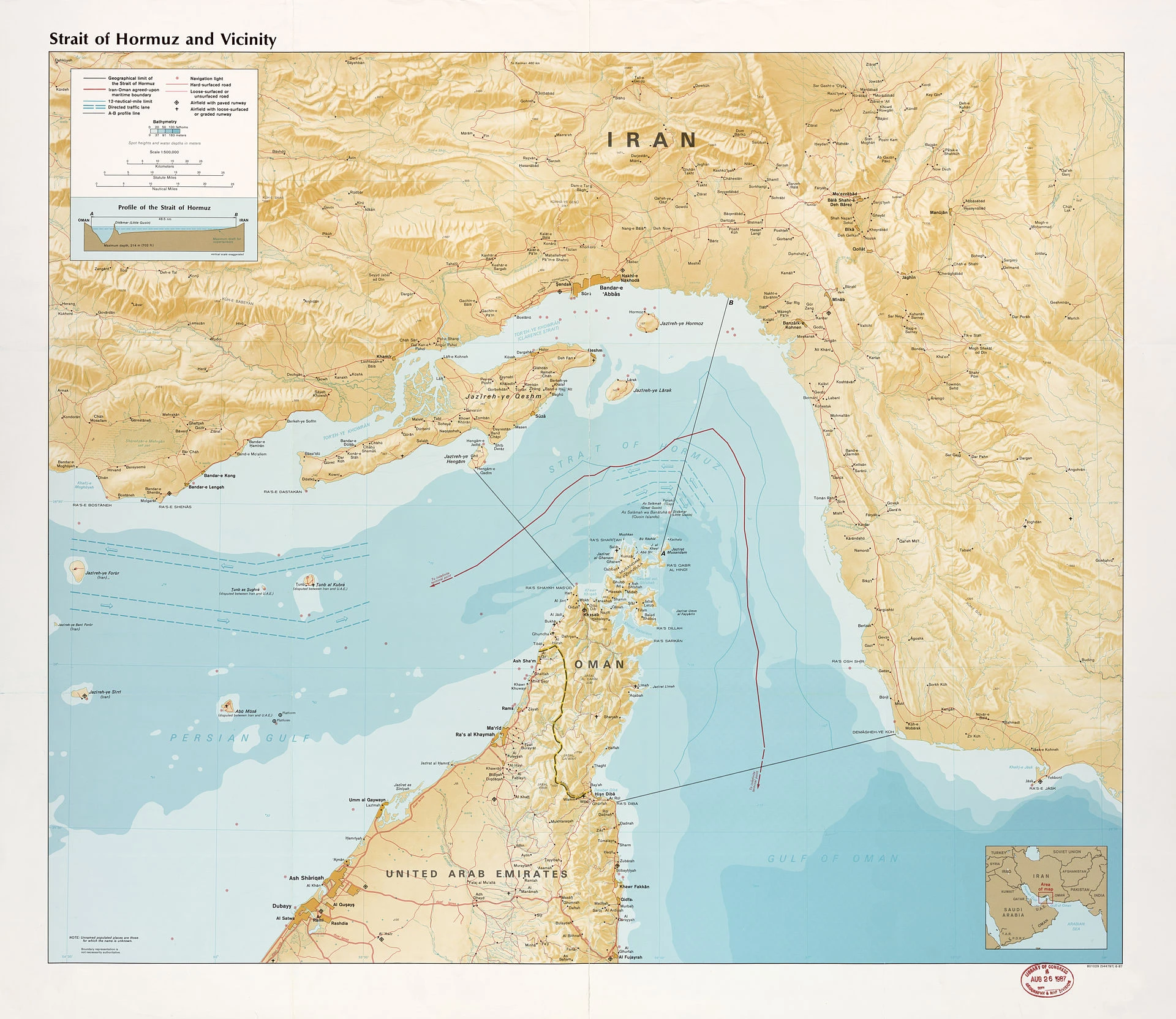
What was missing mattered as much as what was announced. The Strait of Hormuz normally carries about one-fifth of the world’s oil and gas supply, and the war had already closed the chokepoint, feeding a global energy crisis that sent oil prices falling when the deal was reported. The broader conflict had lasted more than 100 days by the time the memorandum surfaced, yet the hardest questions remained unresolved: how Iran’s nuclear program would be constrained, how missiles would be handled and whether the wider regional clashes involving Israel and Iranian proxies could be contained. The Council on Foreign Relations said the initial pact would not end negotiations, underscoring how much was being deferred.
The public messaging reflected that uncertainty. Iranian Foreign Minister Abbas Araghchi said the two sides had “never been closer” on terms, while warning that changes were still possible. Pakistani Prime Minister Shehbaz Sharif said a final agreed text had been reached, even as Washington and Tehran had not fully confirmed that claim at the time. President Donald Trump said the deal would bring peace and security to the region and later declared the deal “complete” on Truth Social, while Vice President JD Vance said the ceasefire could usher in a new era for the Middle East.
Skepticism persisted in Israel, where officials saw the timing as fragile, especially after Israeli strikes in Beirut targeted Hezbollah infrastructure and risked widening the conflict. That tension exposed the central weakness of the agreement: it looked like a breakthrough, but it was still an interim political bargain built on postponed decisions. The full text will determine whether the ceasefire opens a path to durable diplomacy or becomes another brief pause before the next rupture.
Sources
- [1]nytimes.com
- [2]usnews.com
- [3]aljazeera.com
- [4]cfr.org
- [5]reuters.com