Business
U.S.-Iran draft deal may not quickly ease gas prices
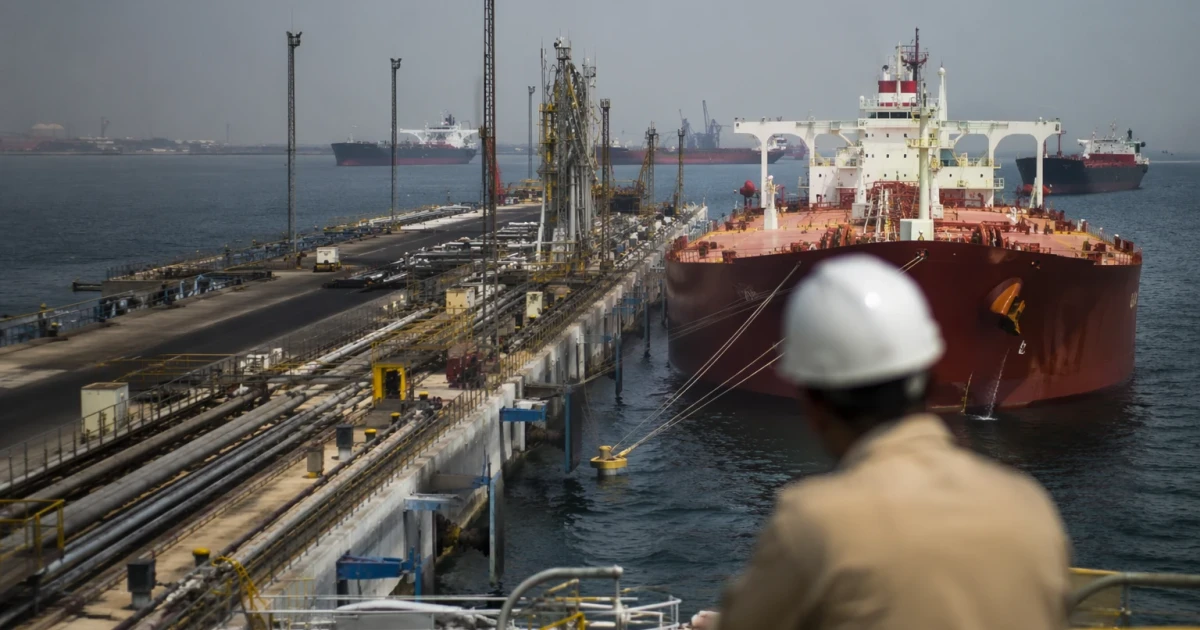
A draft U.S.-Iran memorandum may calm oil markets before it lowers what U.S. drivers pay at the pump. The agreement would reopen the Strait of Hormuz to commercial vessels and phase in relief on oil sanctions, but the route’s damaged infrastructure, shipping risk and refinery bottlenecks could delay any meaningful drop in gasoline prices.
The draft described by Reuters on June 14 included a 60-day window for the two sides to negotiate a final agreement on broader nuclear and sanctions issues. It also called for U.S. waivers on oil sanctions, the release of $25 billion of Iran’s frozen assets and a 30-day timeline for lifting the U.S. blockade on Iranian ports after signing. Even so, tanker operators have been waiting for signs the deal is truly material before committing ships back to the route.
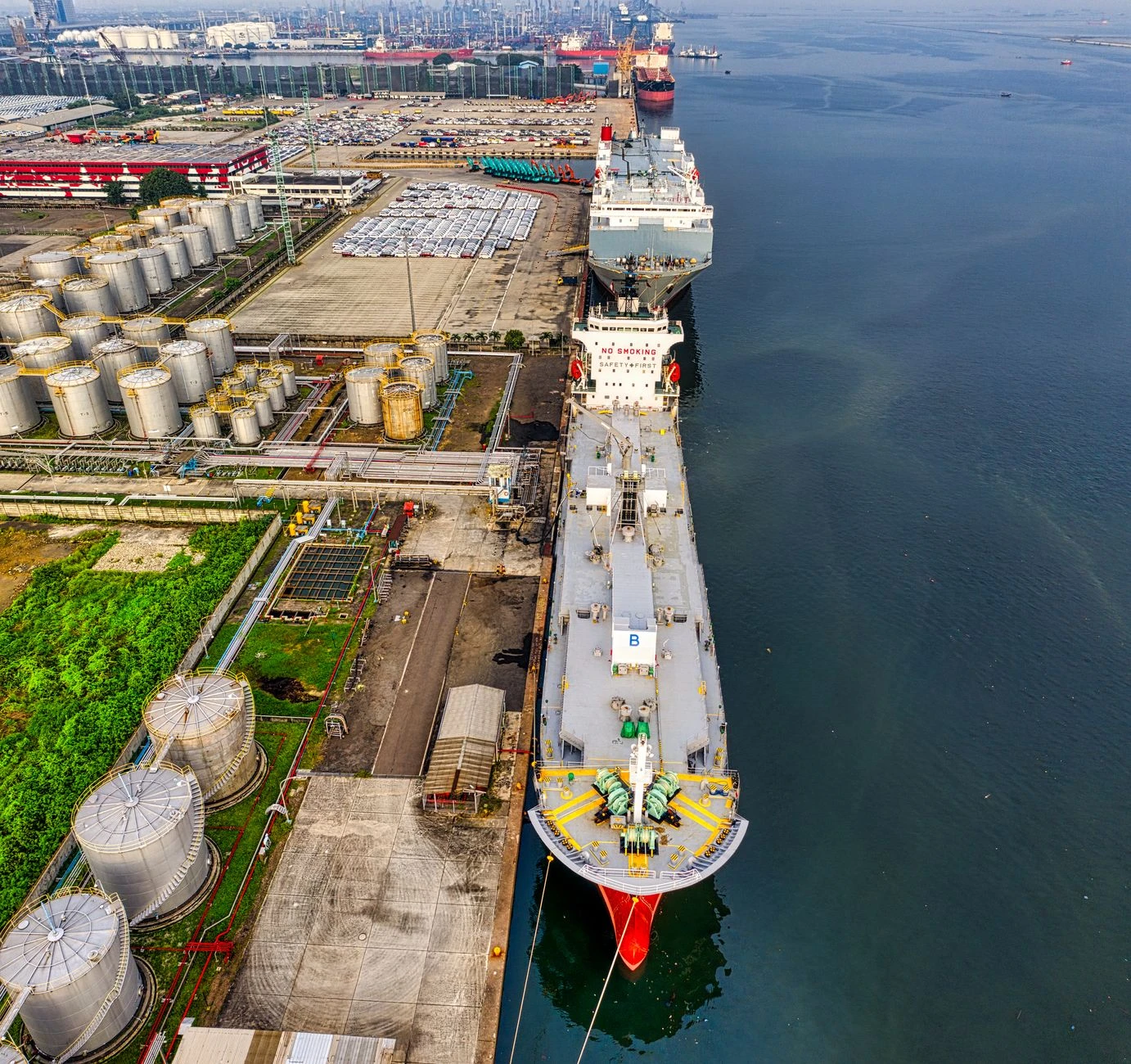
That caution matters because the Strait of Hormuz is not just symbolic. FactCheck.org said about 20 million barrels of oil and oil products moved through the passage each day in 2025, roughly one-quarter of global seaborne oil trade. When traffic through that chokepoint is disrupted, prices can react fast; when it resumes, the recovery is much slower. Reuters reported that shipowners may need weeks before normal transit restarts, even if a deal is announced.
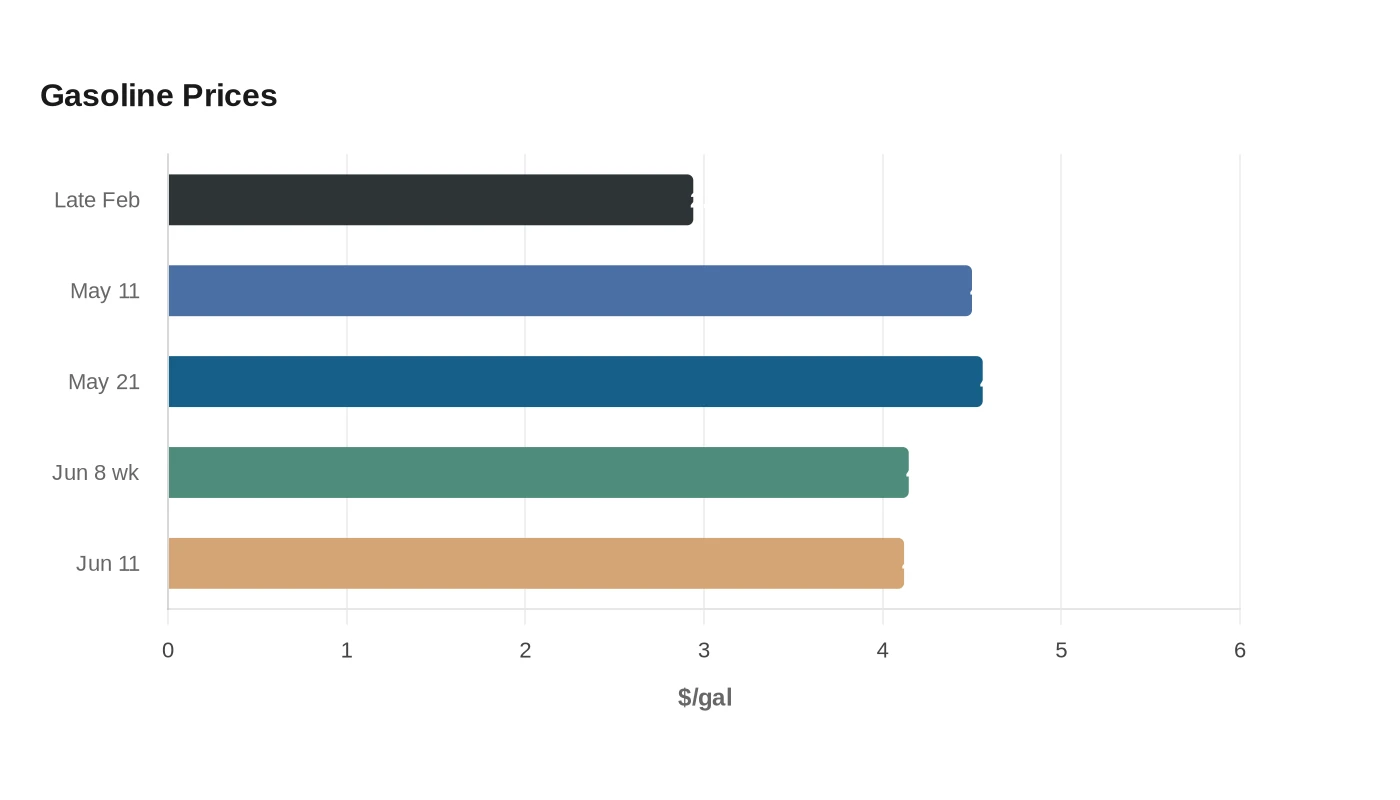
The gasoline market already showed how quickly war risk can raise costs. U.S. regular gasoline averaged $4.146 per gallon in the week of June 8, according to the U.S. Energy Information Administration. AAA said the national average fell from $4.56 on May 21 to $4.12 on June 11, but that still left prices far above pre-war levels. In late February, the national average had been about $2.94 per gallon before climbing to $4.50 by May 11.
Patrick De Haan of GasBuddy said pre-war prices could take beyond a year to return in some scenarios. That forecast reflects more than politics. Any restoration of supply would still have to work through mine-clearing, repairs to damaged infrastructure, resumed tanker traffic and the slow process of getting crude back to refineries. Even if fighting ends quickly, that physical chain can keep pump prices elevated for months, leaving drivers to wait long after the diplomatic headlines fade.
Sources
- [1]nytimes.com
- [2]usnews.com
- [3]gasprices.aaa.com
- [4]eia.gov
- [5]factcheck.org
- [6]msn.com
- [7]cbsnews.com