World
U.S., Iran draft deal outlines nuclear limits, troop withdrawal timeline
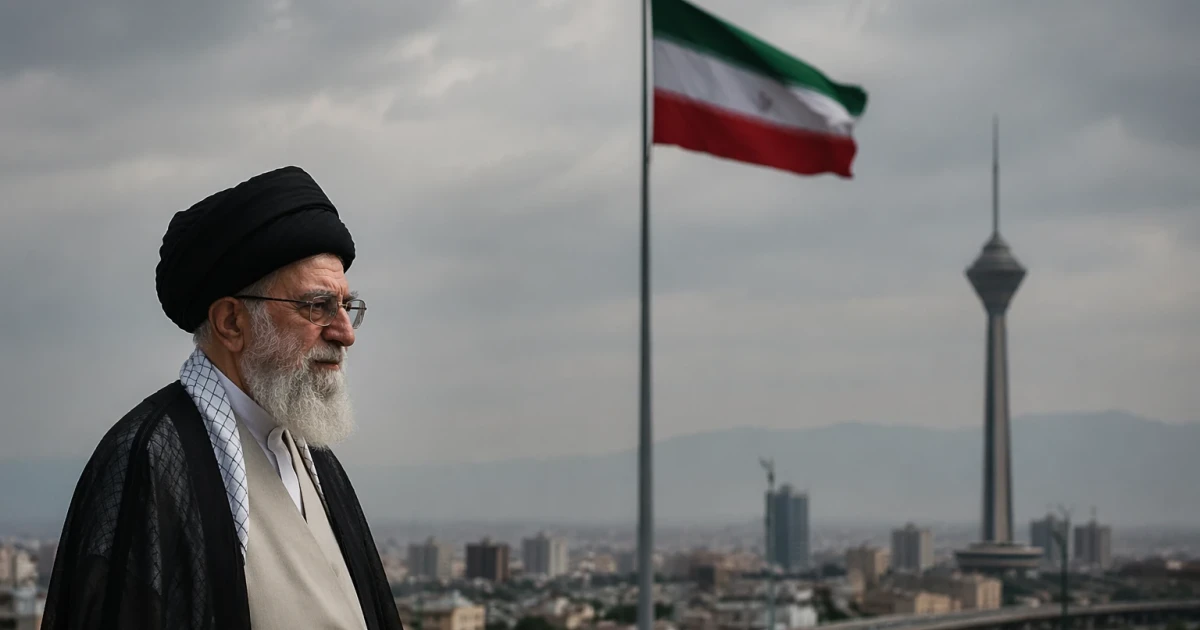
The draft U.S.-Iran memorandum gives the appearance of a breakthrough, but its most consequential terms still hinge on what happens after the signatures are dry. The 14-point framework sets a 60-day negotiation period, promises an immediate U.S. lift of the naval blockade after signing, and links the withdrawal of U.S. forces from surrounding areas to a final agreement. What it does not yet do is resolve the central question driving the crisis: how Iran’s nuclear program would actually be wound down, verified and enforced.
Senior White House officials have said the framework would prevent Iran from developing a nuclear weapon and require Tehran to give up enriched uranium, with one official saying Iran “gets nothing until they deliver.” But Reuters described the document as a high-level interim understanding, not a final peace, and said both sides can still walk away before a completed accord. That gap matters because the draft leaves the hardest technical and political issues, including the mechanics of dismantling Iran’s nuclear capacity, for the later negotiating phase.
The deal is expected to be formally signed on June 19 in Switzerland. It also includes at least $300 billion in financing for Iran’s rehabilitation and economic development, a scale of economic relief that underscores how much the agreement would rely on phased compliance rather than immediate trust. NBC News reported that the Strait of Hormuz would reopen under the sequencing plan, but Iranian state media has said the strait would reopen only if Washington lifts its naval blockade within the first 30 days and has rejected the U.S. description of how nuclear materials would be removed.
That sequencing dispute is the clearest test of whether the memorandum is a substantive diplomatic reset or a politically useful outline with major escape hatches. If it is working, the proof would be concrete: Iran would declare and account for its remaining enriched uranium, international inspectors would verify the stocks, the blockade would be lifted on schedule, and the 60-day talks would produce a final agreement that binds troop withdrawals and nuclear limits to measurable compliance. The International Atomic Energy Agency’s June 10 resolution, which demanded that Iran declare remaining enriched uranium stocks and allow verification, shows how central those checks have become.
The broader backdrop is a long dispute that stretches back to the JCPOA, finalized in July 2015 by Iran and China, France, Germany, Russia, the United Kingdom and the United States. This time, the stakes are higher because the draft was shaped under war conditions and after strikes on Iran’s nuclear infrastructure in 2025. At the G7 summit in Evian-les-Bains, France, leaders backed Donald Trump’s tentative accord, and Emmanuel Macron called it a “very good deal,” saying it would stop instability with severe consequences for economies. Whether the memorandum becomes durable diplomacy or another temporary pause will depend on verification, sequencing and whether both sides choose to stay at the table.
Sources
- [1]nbcnews.com
- [2]usnews.com
- [3]bloomberg.com
- [4]congress.gov
- [5]reuters.com