World
U.S.-Iran dual citizen Dena Karari leaves Iran after exit ban
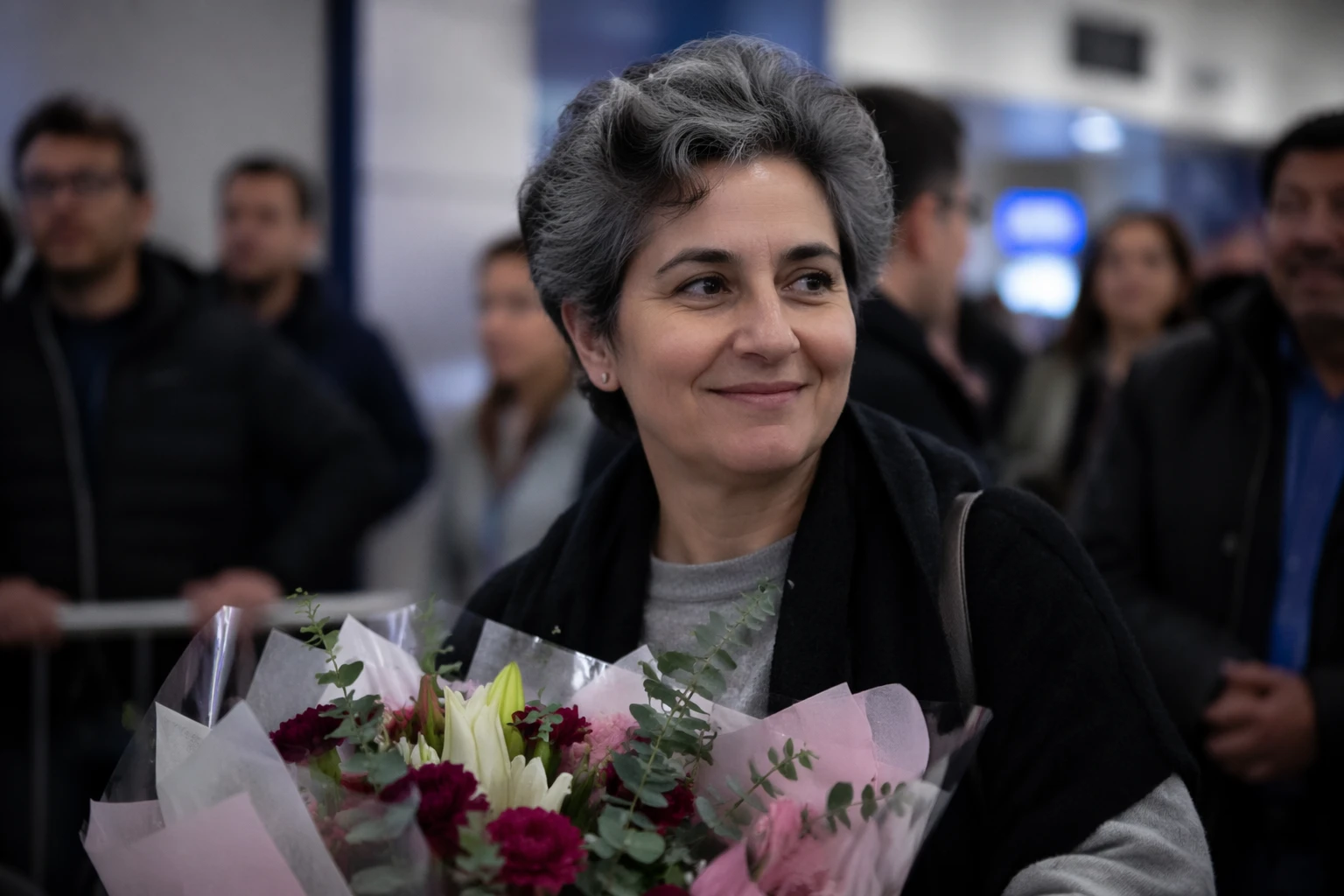
Dena Karari, a U.S.-Iran dual citizen held in Iran under an exit ban since December 2024, has left the country and is traveling back to the United States, her attorney said Wednesday. Jared Genser said Karari had been trapped on “bogus charges,” even though Iranian authorities never formally charged her.
Karari’s case showed how an exit ban can function as a quiet form of detention. Iranian authorities did not imprison her, but they refused to let her leave, and the ban kept her inside the country even after the coercive order expired in April 2026. She reportedly traveled to Shiraz in December 2024 to visit family, and authorities confiscated her passports, cutting off her ability to depart.
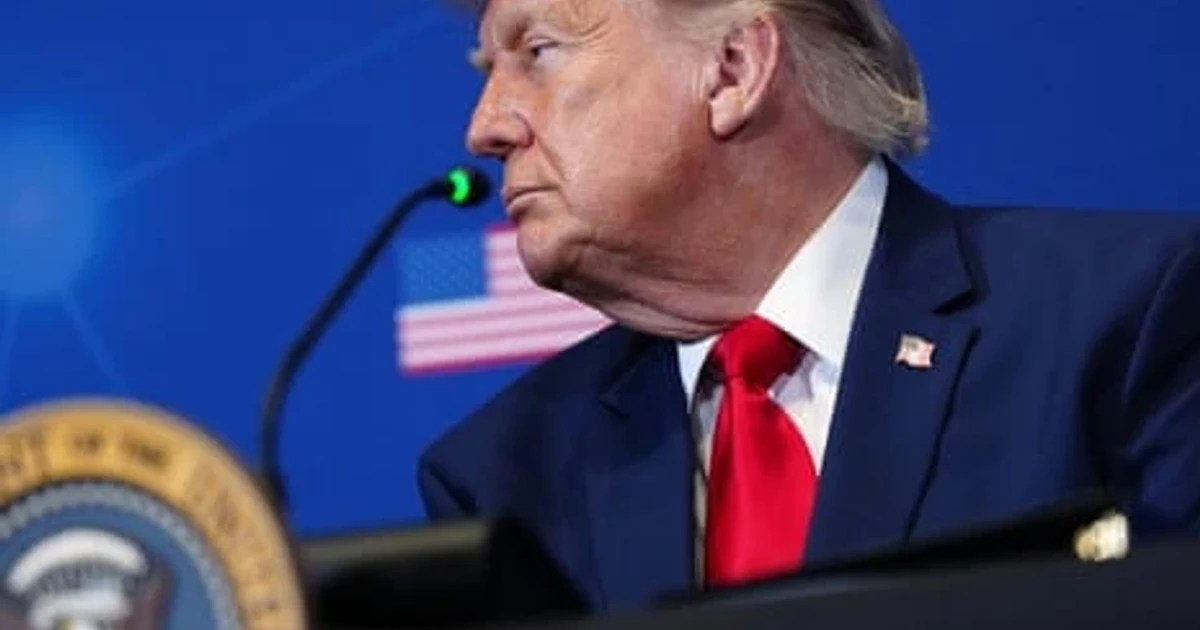
Genser said late Wednesday that Karari was now free and “safe and traveling back to the United States.” President Donald Trump posted earlier Wednesday that Iran had released a U.S. citizen, though he did not identify Karari by name in the post. Trump later said the person was safely outside Iran and in good condition.
The release came after a difficult stretch for Karari. Sources said she suffered a heart attack on July 8. Two sources also said her name appeared on a list of Americans that the State Department gave to U.S. special envoy Steve Witkoff, who has been helping lead diplomacy with Iran. The State Department declined to comment.
Karari’s departure is the latest reminder of how limited U.S. consular power can be in Iran and other adversarial states. Washington can press cases through the State Department, name Americans as wrongfully detained, and elevate individual names in talks led by envoys like Witkoff, but it cannot compel Tehran to open the door once Iranian authorities decide to impose an exit ban.

The State Department has formally designated two Americans in Iran as wrongfully detained, Kamran Hekmati and Reza Valizadeh. That designation can be used when officials believe a person is being held on dubious grounds or to extract concessions from the United States. Karari, by contrast, was not imprisoned and was never formally charged, leaving her in a legal limbo that kept her out of sight but still under Iranian control.
Karari was later identified by her attorney as the operator of the Children of Mehr Foundation, a nonprofit that helped impoverished children in Iran through private donations. Her case unfolded as tensions between Washington and Tehran worsened in 2026, with fragile diplomacy giving way to renewed military strikes over the past week.
Sources
- [1]cbsnews.com
- [2]nbcnews.com
- [3]abc.net.au
- [4]trtworld.com
- [5]waaytv.com