World
U.S.-Iran interim deal pauses fighting, leaves nuclear issues unresolved
The tentative U.S.-Iran framework stops short of peace. It would pause fighting, reopen the Strait of Hormuz and start a 60-day clock for fuller negotiations, but the hardest questions, especially Iran’s nuclear program, were left for later.
The draft is a 14-point interim arrangement, not a final treaty. It sets up a high-level understanding that defers the most difficult issues to additional talks, with the deadline for a final deal extendable by mutual consent. The White House sent Congress the text on June 18, 2026, underscoring how quickly the arrangement moved and how much still depends on follow-through.
The Strait of Hormuz sits at the center of the deal’s immediate stakes. Under the draft, Iran would reopen the waterway and the United States would begin easing sanctions, including restrictions on Iranian oil sales. The agreement also could release billions of dollars in frozen Iranian assets, a shift that would reverberate through regional security calculations and global energy markets.
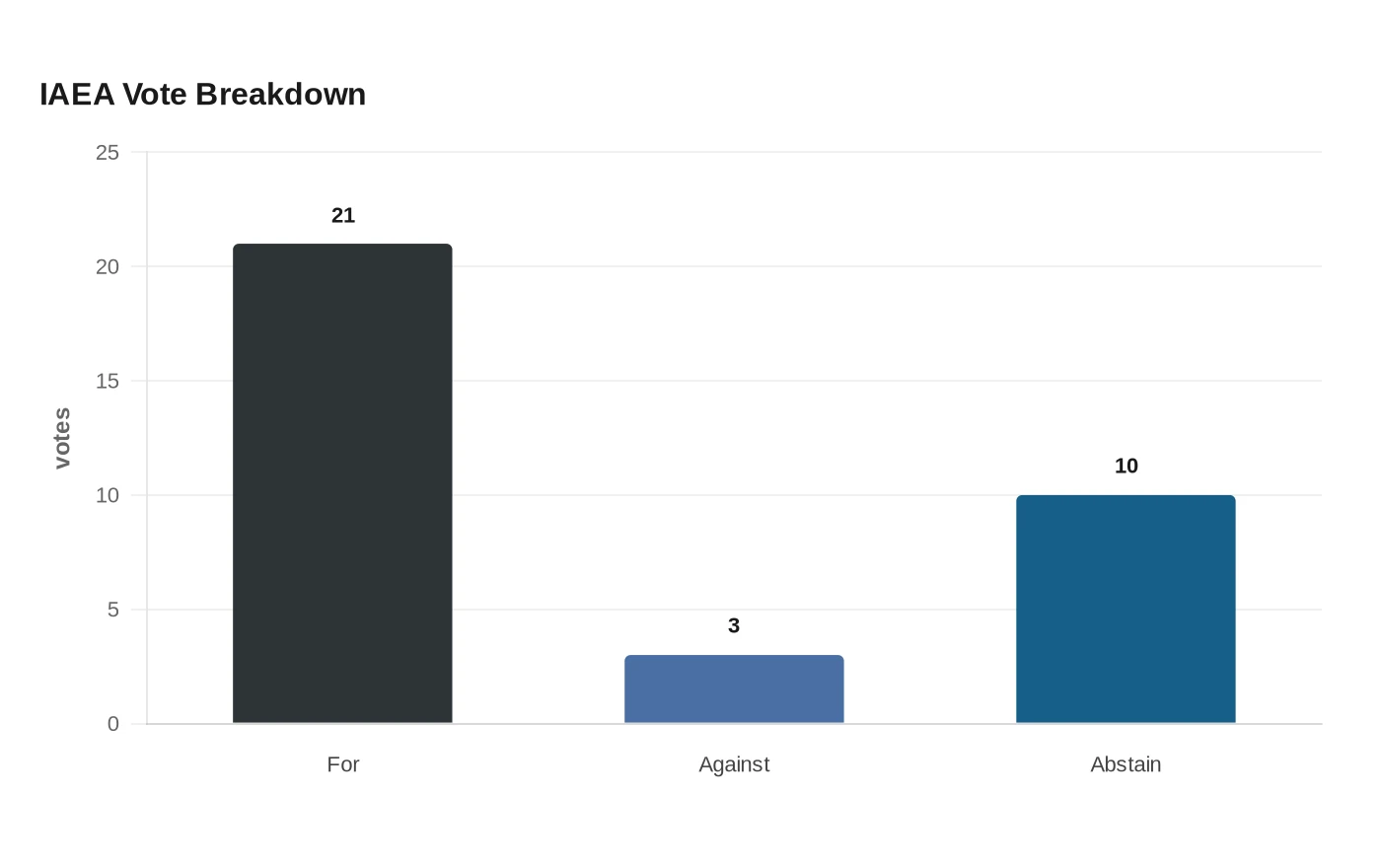
The nuclear track remains the sharpest fault line. The International Atomic Energy Agency’s Board of Governors approved a U.S.-backed resolution on June 10, 2026, calling on Iran to declare its remaining enriched uranium stocks and let inspectors verify them. The vote was 21 in favor, 3 against and 10 abstentions. That demand lands directly in the middle of the talks, where access for inspectors and accounting for enriched uranium have already been major obstacles.

The diplomacy has also been fragile in real time. Talks scheduled for Geneva on June 19 were called off, a sign that even with a framework in hand, the path to an enforceable agreement remains uncertain. Iranian officials have described the draft as covering oil sanctions relief, nuclear limits and asset release, while U.S. officials have framed it as a step toward broader dismantlement of Iran’s nuclear capabilities.
The emerging deal is being measured against the 2015 nuclear agreement, but its scope is wider. It reaches beyond uranium enrichment to the war itself, regional security and navigation through Hormuz, including the conflict’s spillover into Lebanon. That breadth may give negotiators more room to maneuver, but it also multiplies the number of ways the agreement could falter before it becomes anything lasting.
Sources
- [1]npr.org
- [2]usnews.com
- [3]al-monitor.com
- [4]apnews.com