World
US, Iran near final deal to reopen Strait of Hormuz
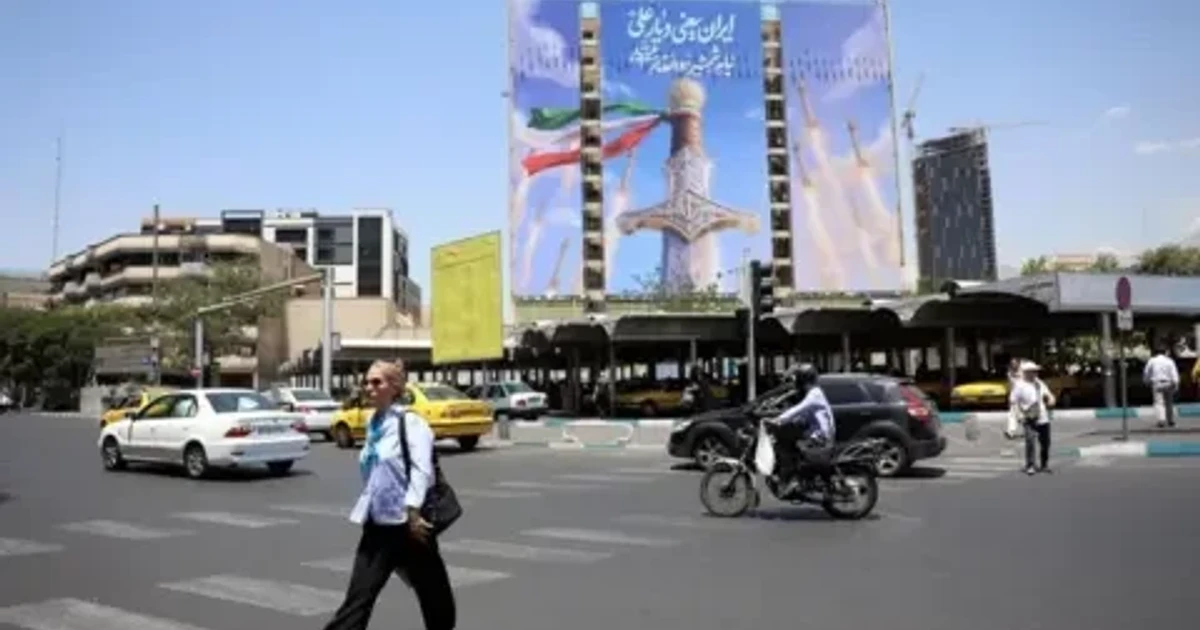
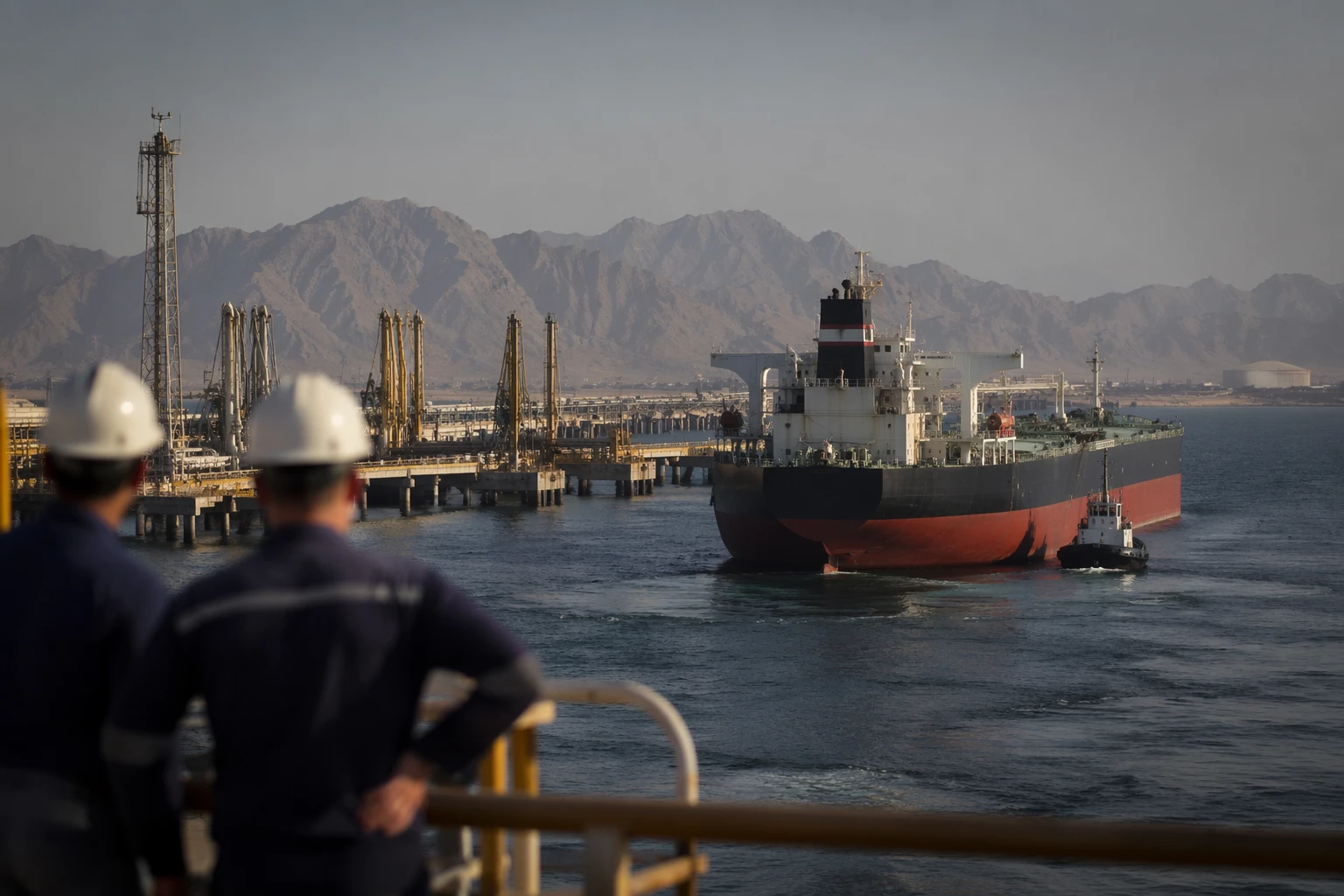
Reopening the Strait of Hormuz would do more than mark a diplomatic breakthrough. It would likely lower war-risk insurance costs, ease pressure on tanker traffic and bring relief to supply chains that have been strained by a closure hitting one of the world’s most important energy corridors.
The stakes are enormous because the waterway carried nearly 15 million barrels a day of crude in 2025, about 34% of global crude oil trade, and around one-fifth of global liquefied natural gas trade in 2024. The International Energy Agency said the war and closure had produced the largest supply disruption in the history of the global oil market, with tanker movements through the strait falling to a near halt.
Pakistan said the diplomacy had reached a critical stage. Prime Minister Shehbaz Sharif said the United States and Iran had reached a “final, agreed upon text” of a peace deal, while Iranian Foreign Minister Abbas Araghchi said a memorandum of understanding with Washington had “never been closer” to finalization. Pakistan said it was coordinating next steps after mediating talks between Washington and Tehran, underscoring how central Islamabad had become to the back-channel effort.
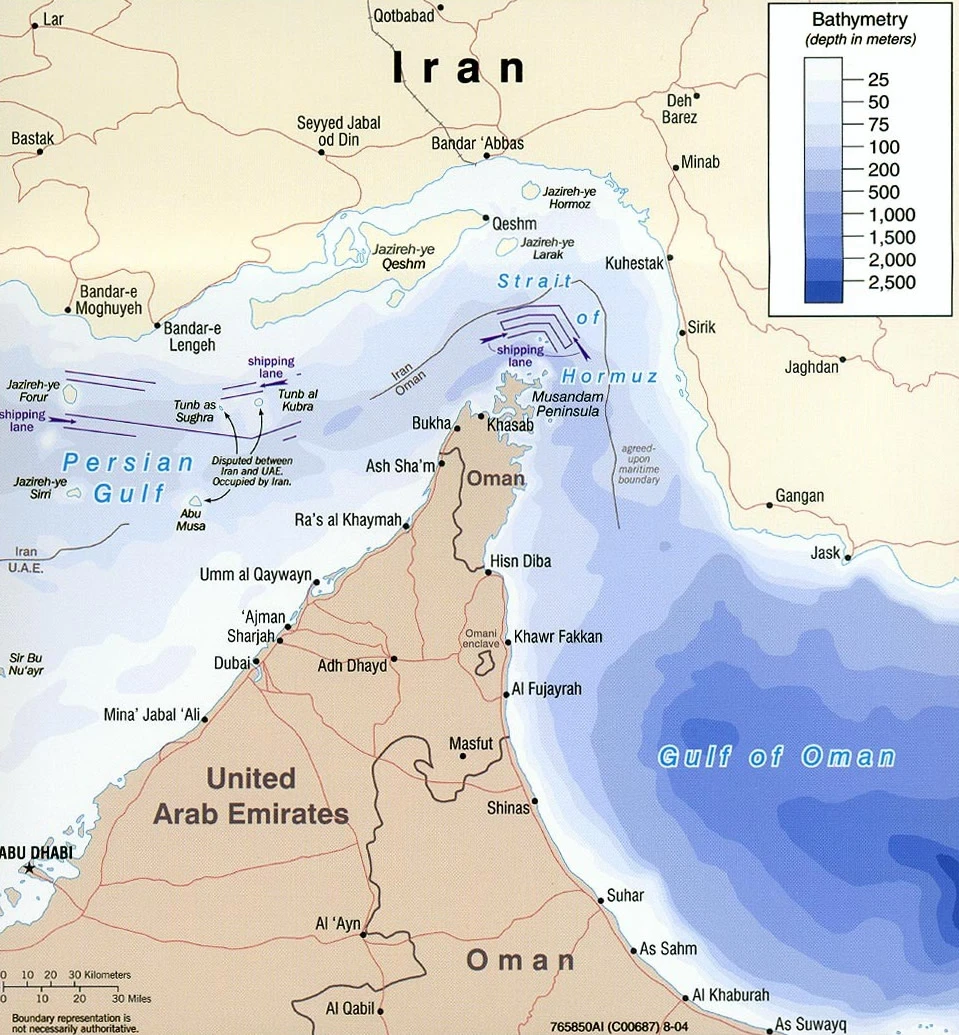
Araghchi said the draft included reopening the Strait of Hormuz, ending the U.S. naval blockade of Iranian ports and setting out arrangements for managing the waterway. He also said Iran would not return to the pre-war status quo there and that sovereignty over the strait remained with Iran and Oman. He urged media not to speculate about the contents until the agreement was concluded, a sign that the text still had room to change.
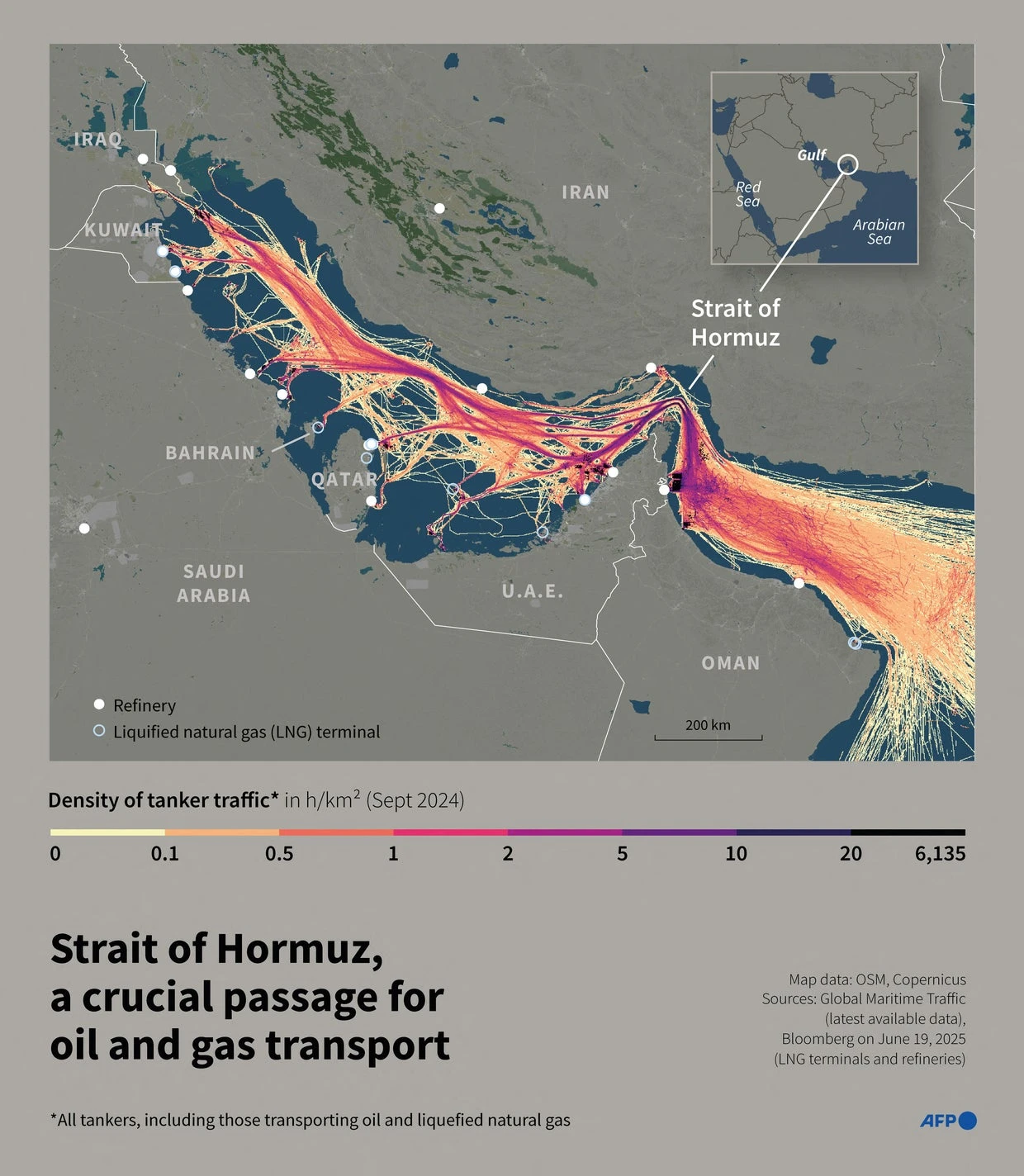
The market reaction would be immediate if the reopening took hold. The U.S. Energy Information Administration said oil flows through the strait averaged 20 million barrels a day in 2024, and Brent crude rose from $69 a barrel on June 12 to $74 on June 13 after tensions worsened. A restored passage would matter sharply for Gulf exporters including Qatar, Saudi Arabia, Kuwait and the United Arab Emirates, and for major Asian importers such as China, India, Japan and South Korea, all of which depend heavily on those flows.
Even then, the deal remained fragile. Reports said the emerging understanding could still involve Iran committing not to develop or procure nuclear weapons and the removal or destruction of highly enriched uranium. The promise was clear: restore a vital shipping lane and calm global energy markets. The risk was just as clear: any dispute over the strait, the blockade or the nuclear terms could still derail the opening before ships move freely again.
Sources
- [1]bbc.com
- [2]reuters.com
- [3]iea.org
- [4]eia.gov
- [5]skynews.com