World
U.S.-Iran nuclear talks face doubts after 2025 strikes and uranium dispute
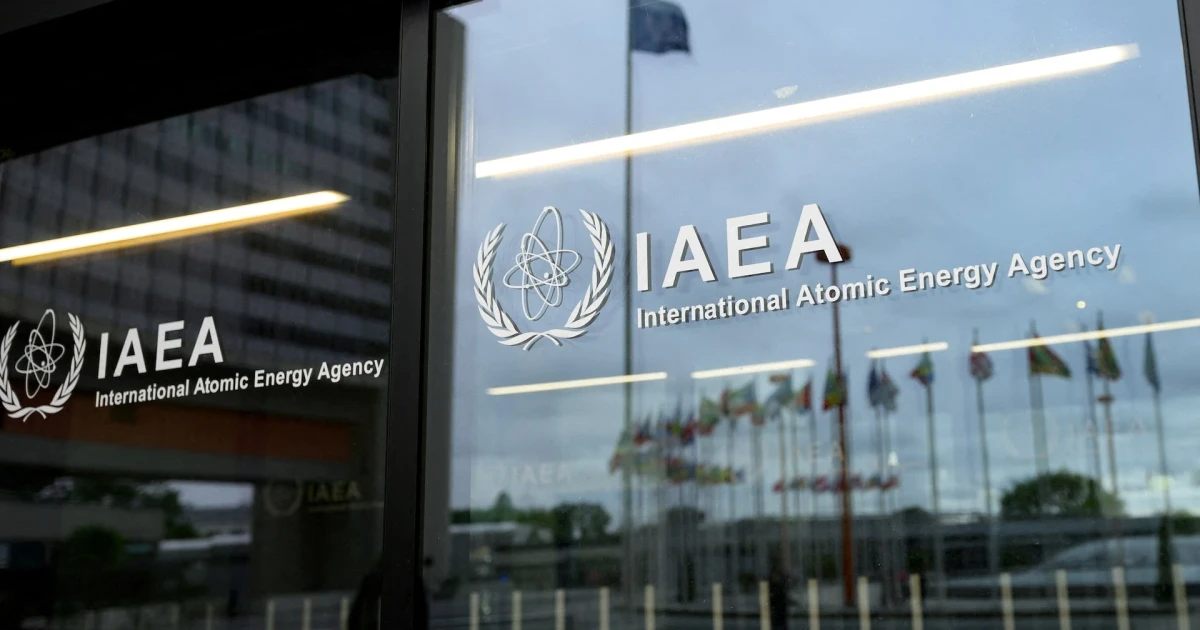
The strikes on Iranian nuclear facilities last June did not settle the dispute. They left behind a deeper question: whether military pressure made a durable nuclear deal more likely, or whether it made verification harder just as Iran’s stockpile of highly enriched uranium became more urgent.
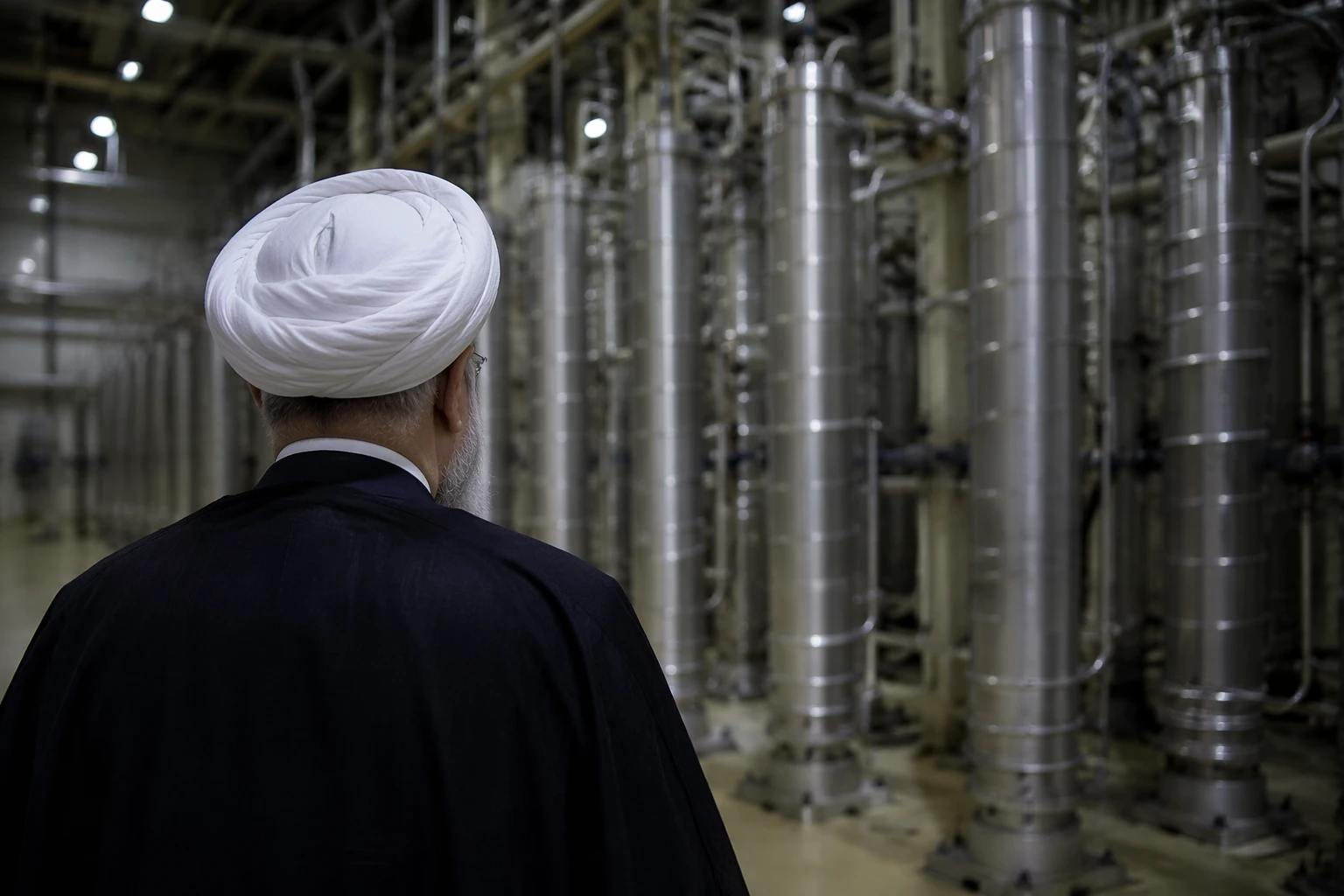
The International Atomic Energy Agency said Iran had 440.9 kilograms of uranium enriched to 60% purity during the June 2025 conflict period, a level one step below weapons grade. That stockpile sits at the center of the current talks, because the argument is no longer only about stopping a war. It is about whether inspectors can independently account for the material that survived the attacks and whether Iran can be bound to limits that outsiders trust.
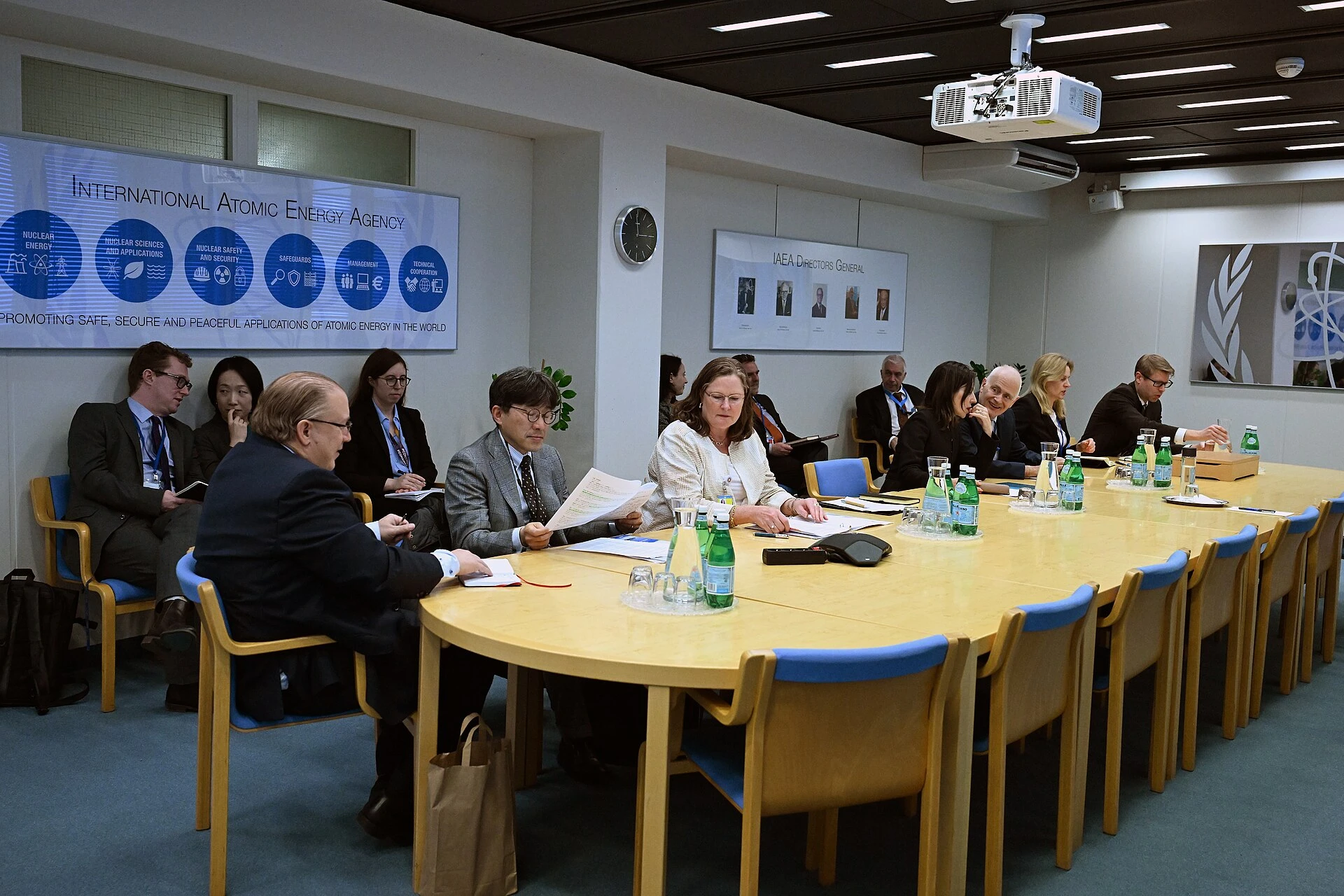
That tension sharpened on June 10, 2026, when the 35-member IAEA Board of Governors passed a U.S.-backed resolution by 21 votes. The resolution told Iran to declare its remaining enriched uranium stocks and allow inspectors to verify them. It also underscored how little confidence remains around the issue, even as Washington and Tehran have been talking since April 2025 about a new nuclear deal after the earlier multilateral accord was widely judged defunct, following the U.S. withdrawal in 2018 and Iran’s breaches beginning in 2019.

The talks now appear to be working on a compressed 60-day window to settle the hardest questions: the fate of the uranium stockpile, enrichment facilities, inspections, sanctions relief and broader nuclear restrictions. The IAEA has separately said it repeatedly reminded Tehran on November 7, 2025, January 29, 2026 and February 3, 2026, that reports and declarations on affected facilities are required under its safeguards obligations. That paper trail matters because any agreement that leaves the agency guessing about material, sites or access is likely to collapse as soon as the next dispute emerges.
For supporters of pressure, the June 2025 strikes forced movement where diplomacy had stalled. For skeptics, the same attacks left Iran more suspicious, the verification problem more severe and the stakes wider, especially with the Strait of Hormuz still hanging over any escalation. What will determine whether this agreement holds is not the symbolism of force, but whether Iran’s stockpile can be checked, its facilities inspected and its commitments enforced before the 60-day window closes.
Sources
- [1]nytimes.com
- [2]usnews.com
- [3]iaea.org
- [4]europarl.europa.eu
- [5]timesofisrael.com
- [6]firstpost.com
- [7]al-monitor.com