Politics
U.S.-Iran peace talks canceled as DHS expands facial recognition access

Diplomacy on the U.S.-Iran front has slipped again, while federal immigration surveillance is set to reach deeper into local police work. The canceled Swiss meeting and a new DHS privacy document together show two pressure points in Washington’s national-security agenda: stalled peace talks abroad and wider biometric monitoring at home.
The U.S.-Iran talks scheduled for Friday, June 19, 2026, at the Bürgenstock Resort near Lake Lucerne were canceled, and Vice President JD Vance dropped plans to travel to Switzerland. Swiss officials said preparatory work at Bürgenstock was still continuing despite the postponement, but Reuters reported that the cancellation created new uncertainty about when follow-up talks would happen. The meeting had been intended to turn a recently reached memorandum or interim agreement into a more durable peace settlement, and a Reuters correction said the talks were not in Geneva.
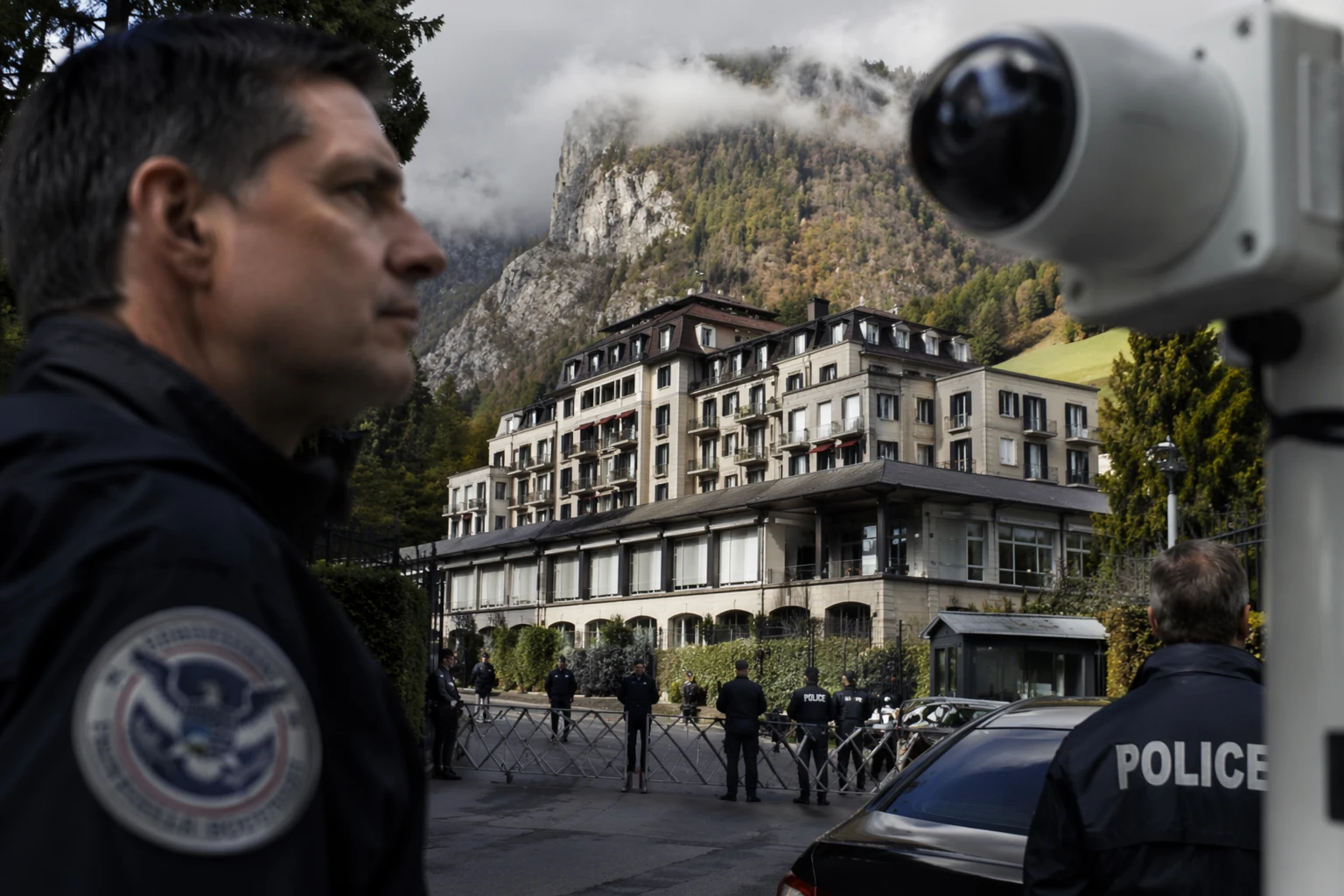
The delay comes as regional fighting continues to complicate the diplomatic track, with other reporting linking the postponement to renewed Israeli strikes in Lebanon and disputes over whether ceasefire commitments were being honored. The talks were part of a broader effort involving the United States and Iranian negotiators, with the White House having signaled that the trip was off after Vance canceled. The collapse of the Switzerland meeting leaves the next phase of negotiations unsettled just as the war aims and enforcement terms remain in flux.
At the same time, the Department of Homeland Security is moving to broaden facial-recognition access beyond federal officers. A newly revealed DHS privacy document outlines plans to give some local police working with federal immigration authorities access to technology used by ICE and CBP, expanding biometric surveillance beyond federal agents. NPR reported that the plan would let local police working on ICE’s behalf use the same type of technology federal immigration officers already use in the field to identify people.
Reporting based on documents obtained by 404 Media says the tool is the ICE Task Force Module and that it would be distributed to more than 1,200 local police departments across 32 states. The app could scan a face against more than 250 million DHS and State Department records, with the stated purpose of helping officers determine whether someone is removable from the United States. A separate 404 Media report said ICE’s Mobile Fortify system does not allow a person to refuse scanning, and that face photos taken by the app can be stored for long periods.

Civil-liberties critics warned that the system could sweep in U.S. citizens and extend immigration enforcement through local police departments, including agencies in jurisdictions that otherwise limit cooperation with ICE. Taken together, the canceled peace talks and the DHS rollout point to the same tension: diplomacy is stalling while the machinery of state surveillance keeps advancing.
Sources
- [1]npr.org
- [2]yahoo.com
- [3]msn.com
- [4]english.elpais.com
- [5]404media.co
- [6]biometricupdate.com
- [7]dnyuz.com