World
US-Iran peace talks delayed as framework deal faces uncertainty
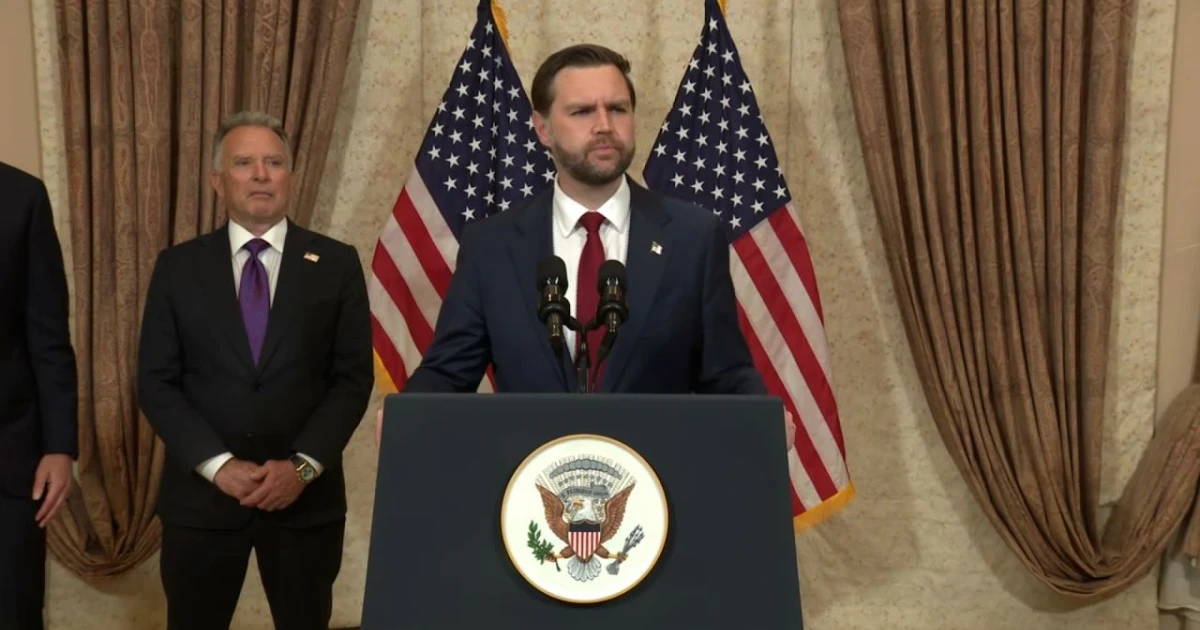
The U.S.-Iran agreement now faces its first durability test. A 14-point memorandum of understanding was signed remotely on Wednesday, June 17, but the planned follow-up talks in Switzerland were called off or postponed, leaving the framework exposed before it had been turned into a workable settlement.
Switzerland’s foreign ministry said the talks scheduled for Friday, June 19, at the Bürgenstock resort near Lucerne would not go ahead as planned. JD Vance had been expected to travel to Switzerland for the meeting, but the White House canceled his trip, citing logistical reasons. The pause underscored how quickly a headline-grabbing diplomatic breakthrough can run into the practical problem that matters most: who does what next, and when.
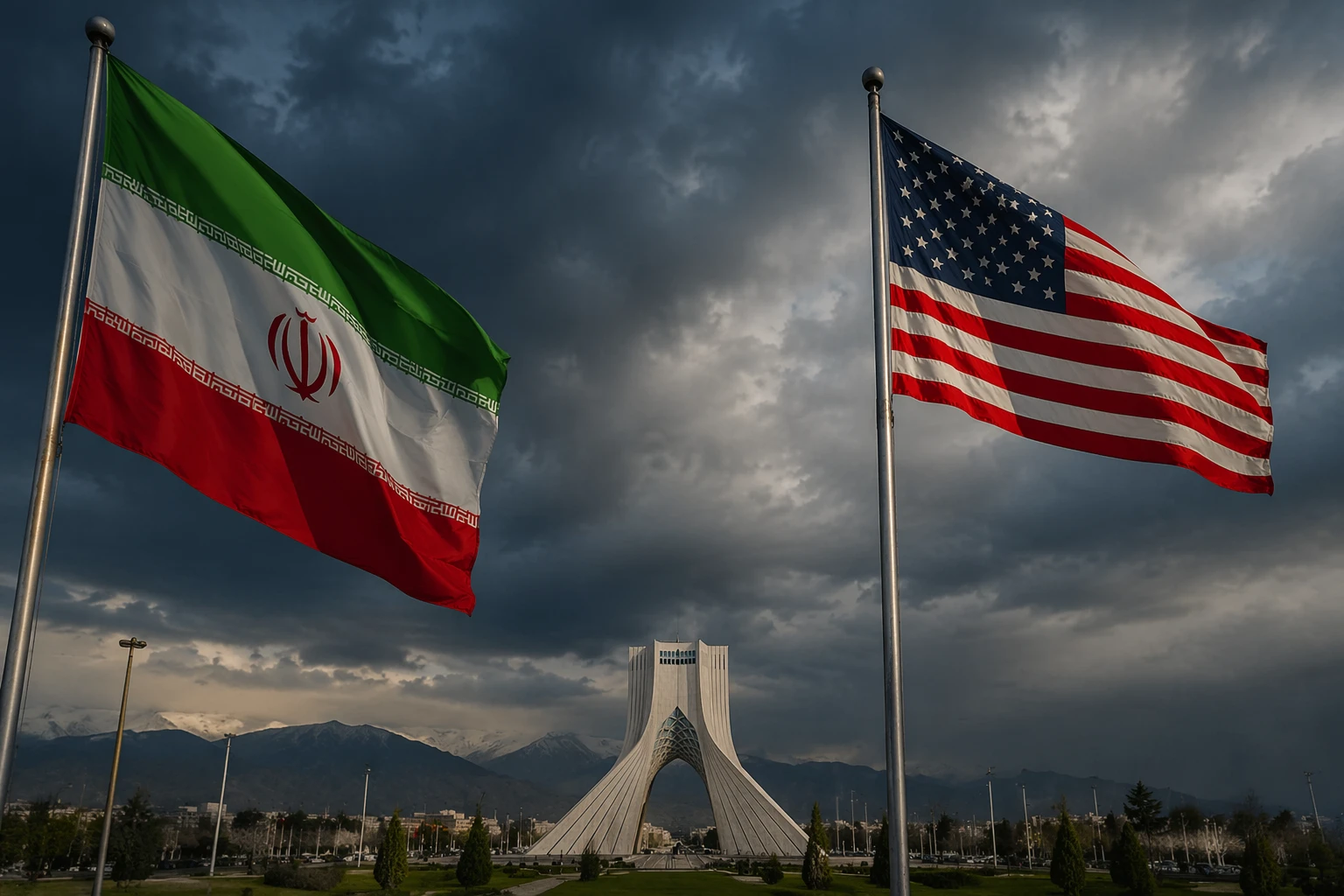
The memorandum was described as a framework, not a final peace treaty, and it set out a 60-day negotiation period for a broader settlement. That leaves major questions unresolved, including how the agreement would be implemented, what role Iran’s nuclear program would play, whether sanctions relief would follow, and whether shipping through the Strait of Hormuz would reopen on any predictable timeline.
That shipping route is central to the stakes. The Strait of Hormuz handles a crucial share of global energy flows, and even short delays in reopening or normalizing traffic can ripple through oil and gas markets. Experts have warned that it could take time for flows through the strait to return to normal, making the implementation phase more than a diplomatic formality. It is the part of the deal that will show whether the agreement can move beyond symbolism.
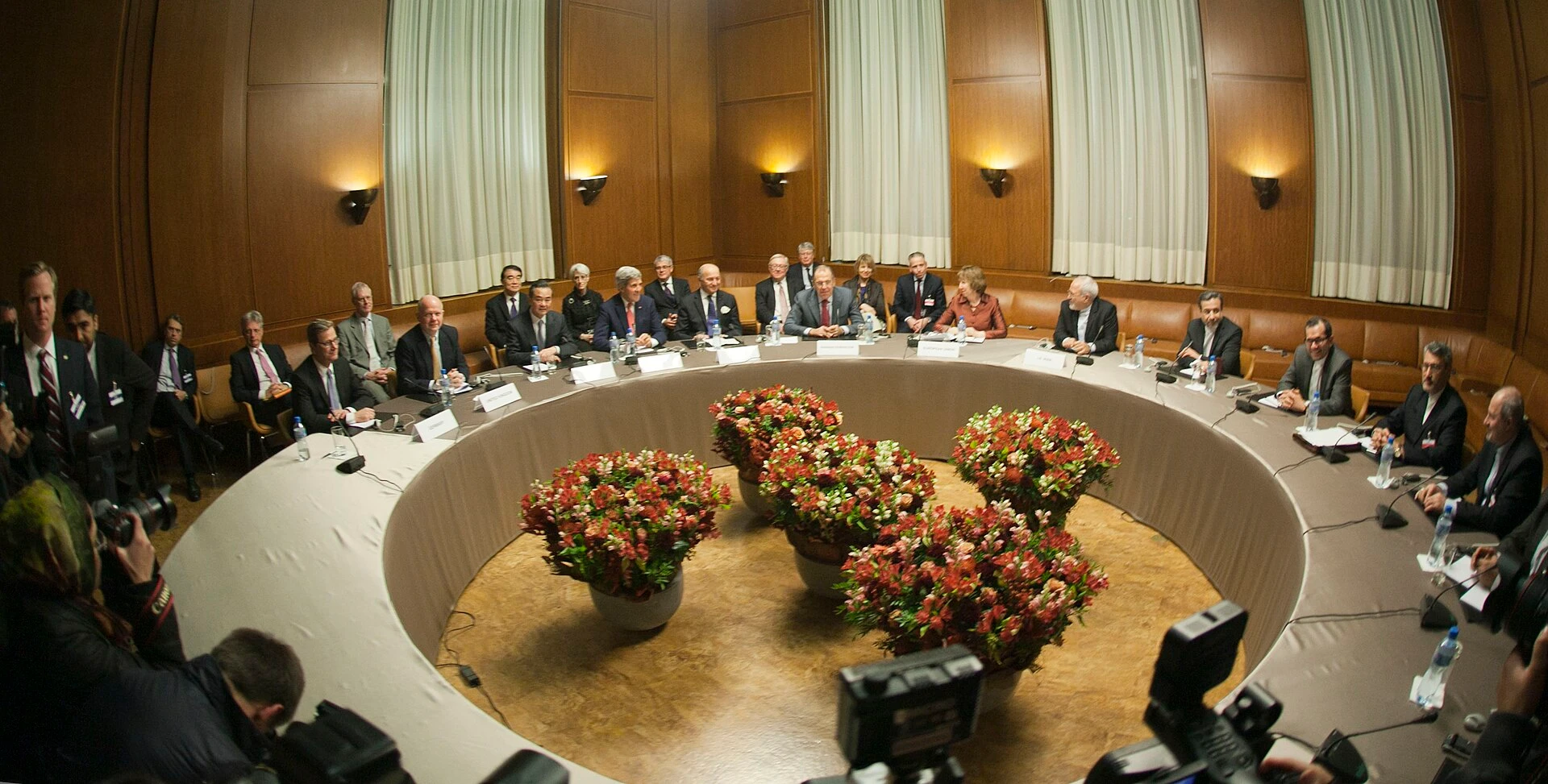
Iran’s next move is also a test of trust. Some reports said Tehran wanted to see concrete implementation steps before resuming talks, while ongoing Israeli strikes in Lebanon were cited as a further complication for the diplomacy. The cancellation in Switzerland suggested that both sides still had room to stall, reinterpret, or condition the process, which is exactly what makes this agreement look less like a finished settlement than a political announcement still searching for enforcement.
Sources
- [1]nytimes.com
- [2]cnbc.com
- [3]rferl.org
- [4]aljazeera.com
- [5]abc.net.au
- [6]rte.ie