World
U.S.-Iran strikes escalate as ceasefire frays near Strait of Hormuz
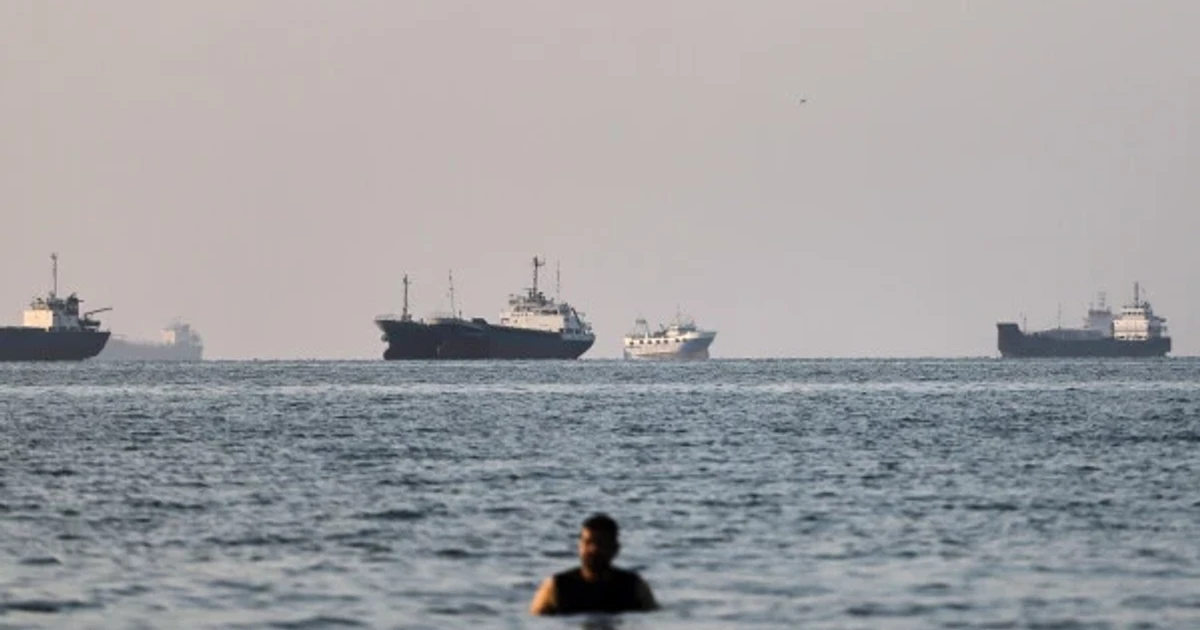
The latest round of U.S.-Iran violence exposed how little cushion remains between a shaky truce and a wider regional clash. Iran’s shootdown of a U.S. Apache helicopter near the Strait of Hormuz triggered American retaliatory strikes, and Tehran answered by hitting U.S. targets in Bahrain, Kuwait and Jordan.
That exchange landed on top of a ceasefire that had already been fraying for weeks. A two-week truce was announced on April 8, 2026, after nearly 40 days of war, with Pakistan mediating the deal and then hosting follow-up talks in Islamabad on April 11 and 12 that failed to produce a broader settlement. Since then, the ceasefire has been repeatedly violated by both sides, even as negotiators tried to keep the fighting from breaking out again.
The stakes are unusually high because the battlefield sits beside one of the world’s most sensitive shipping lanes. The Strait of Hormuz carries about one-fifth of global oil and natural-gas shipments in peacetime, so any renewed attack around the waterway raises immediate fears about tanker traffic, energy prices and miscalculation at sea. The downing of the Apache helicopter showed how quickly a local confrontation can spill into a chain of retaliation involving the United States, Iran and regional targets.
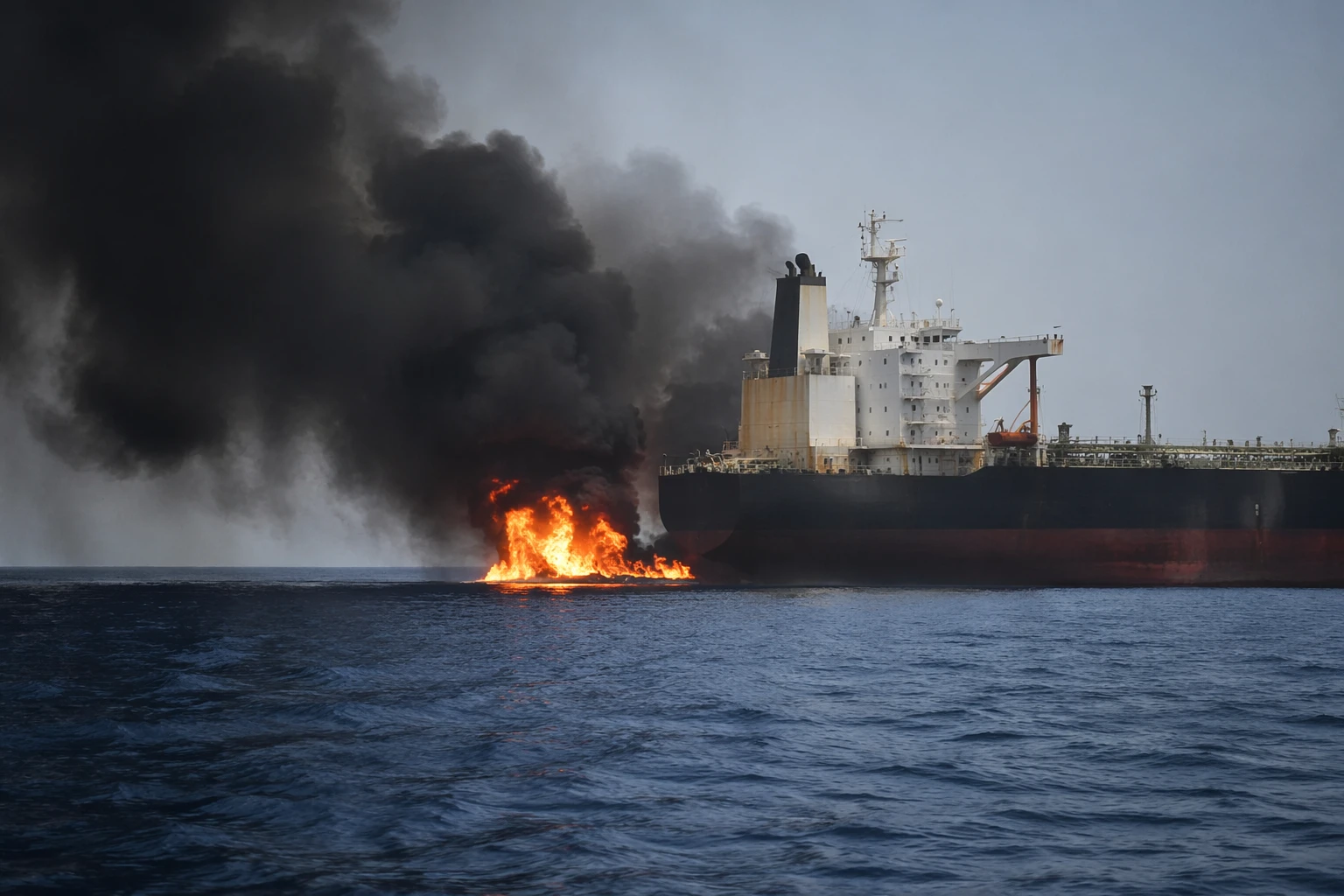
The truce has also been caught between public pressure and private bargaining. Late-May reporting said a tentative 60-day memorandum of understanding was under consideration to extend the ceasefire, reopen the Strait of Hormuz and restart nuclear talks, but it was still awaiting Donald Trump’s approval. Reuters reported on June 2 that Iran was reviewing a proposed agreement to halt the war, yet had not communicated with Washington for several days, a sign that back-channel diplomacy remained alive but fragile.
Trump has kept up the pressure while insisting negotiations were still moving. He said the two pilots from the downed helicopter were safe and uninjured, but warned Iran that it would face more attacks if talks dragged on. Antonio Guterres welcomed the April ceasefire as a step toward broader peace, even as the United Nations and other observers warned that the arrangement remained highly vulnerable after widespread damage, civilian casualties and repeated violations. With no durable settlement in place, the next strike, the next interception or the next proxy attack could still be enough to collapse the truce outright.
Sources
- [1]nytimes.com
- [2]aljazeera.com
- [3]commonslibrary.parliament.uk
- [4]nbcnews.com
- [5]cnbc.com
- [6]un.org
- [7]politico.com