World
U.S.-Iran strikes expand to water facilities as Gulf conflict worsens
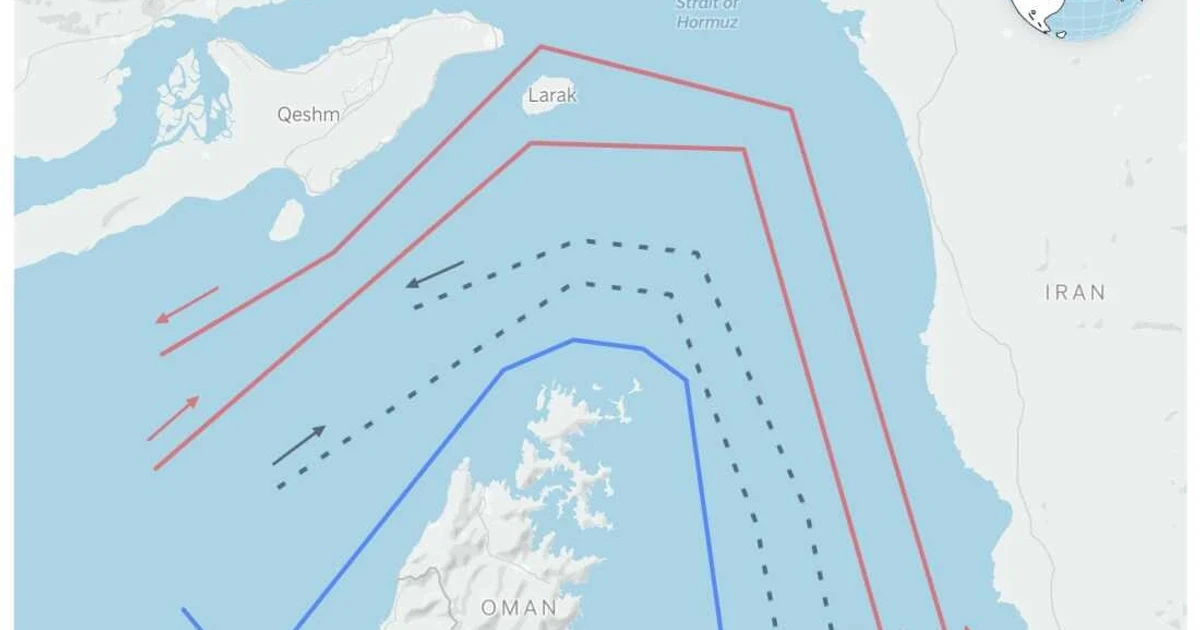
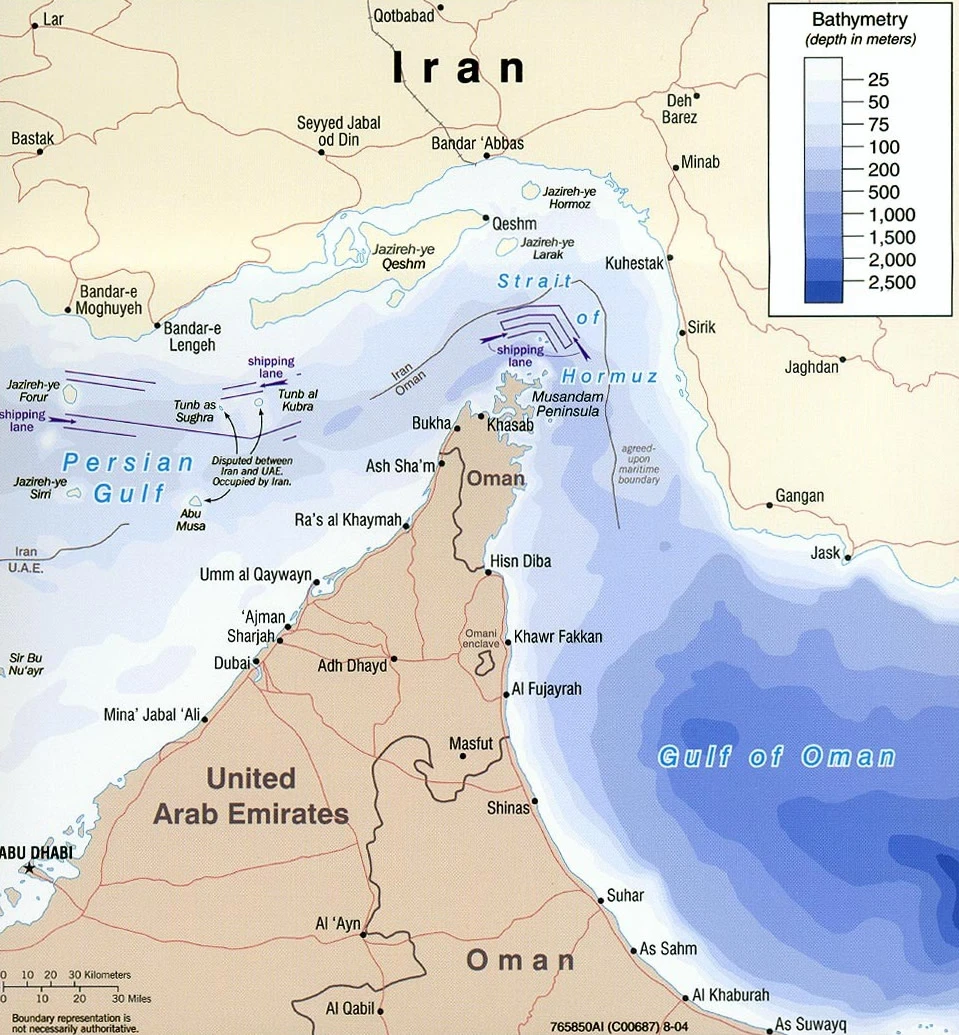
U.S. strikes early Wednesday destroyed what appeared to be a drinking-water facility on Iran’s southern coast near the Strait of Hormuz, while Iranian officials said a separate missile strike hit water infrastructure in Sirik, in southern Iran. A water company director said the damaged facility served more than 20,000 people, turning the conflict toward systems civilians need every day.
The attacks came after the cease-fire unraveled in July 2026 and after the United States struck bridges in Iran. Tehran responded by hitting a power plant and a desalination plant in Kuwait, widening the damage across a region where electricity, water treatment and shipping routes are tightly connected.
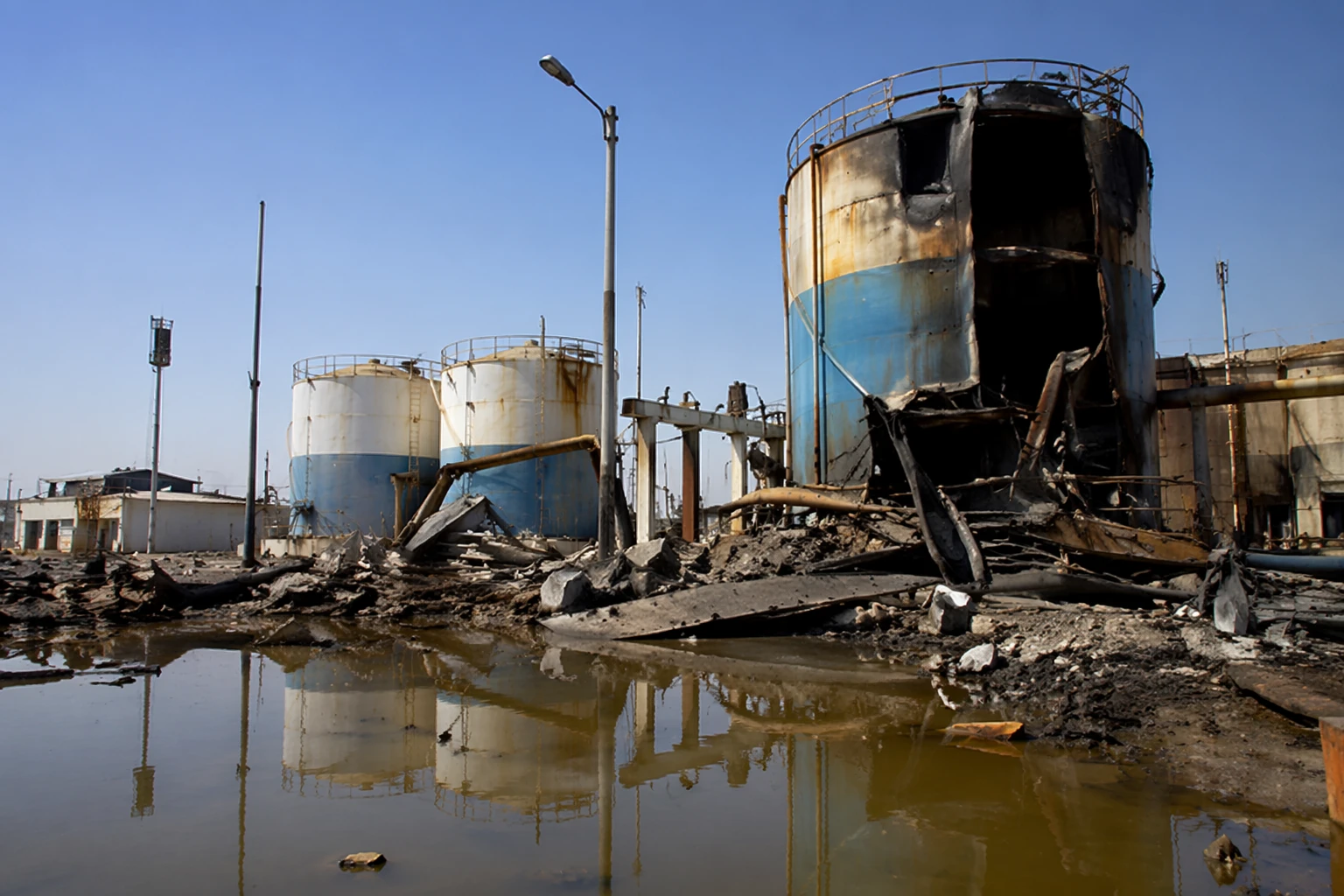
The U.S. military said the strikes were aimed at further degrading Iranian military capabilities and keeping the Strait of Hormuz open to shipping. That waterway, a chokepoint for a significant share of global oil shipments, has seen transits drop as the U.S. and Iran escalated attacks across the Gulf.
Iran moved quickly to frame the strike on Sirik as an attack on civilians. The Iranian Foreign Ministry accused Washington of deliberately striking civilian water infrastructure, and a spokesman called it a “war crime.” The allegation focused on the local water system in Sirik, where the loss of a facility serving more than 20,000 residents would ripple well beyond the immediate blast site.
The shift to water and power assets raises the stakes beyond battlefield damage. A hit on a drinking-water facility near the Strait of Hormuz threatens households, clinics and municipal services in southern Iran, while the strike on Kuwait’s desalination plant exposes how vulnerable Gulf states are when infrastructure becomes a target instead of a protected asset.
The broader exchange has also brought bridges into the target set inside Iran, making movement and supply lines more fragile at the same time that pressure on the Strait has increased. With transits already falling and attacks spreading from military positions to civilian infrastructure, the collapse of the cease-fire has pushed the conflict into a far more dangerous phase for civilians across the Gulf.
Sources
- [1]nytimes.com
- [2]reuters.com
- [3]aa.com.tr
- [4]apnews.com
- [5]detroitnews.com